Takaichi rally lifts Japanese stocks, US futures hesitate

The second week of the new year started with a lot of jitters and soul-searching as Donald Trump stepped up pressure on the Federal Reserve (Fed), sending the DoJ after Fed Chair Jerome Powell over the Fed’s HQ renovations. But remember: Powell stood up for himself and made it very clear that the allegations had more to do with Trump’s frustration that the Fed is not cutting interest rates at the speed he desires — a pace that would better serve his political ambitions.
And it’s striking how powerful politicians are not told by those around them that the Fed cannot simply cut rates without consequences. Doing so would — leaving reputational issues aside — revive inflation and make matters worse. It wouldn’t help solve the cost-of-living crisis, it wouldn’t bring inflation down, and it wouldn’t make housing more affordable. It would have the opposite effect.
This is why we are seeing the US yield curve steepen in response to serious attacks on the Fed’s independence. The long end of the curve is rising faster than the short end on expectations that aggressive rate cuts today would push down short-dated yields, but ultimately fuel inflation and require tighter policy further down the road.
The US dollar is also feeling the pinch from the turmoil around the Fed. The debasement trade continues as investors lose confidence in a weakened Fed, which would be forced into looser monetary policy — resulting in weaker growth and higher inflation. I found the latest reactions from former Fed heads — iconic names such as Janet Yellen, Ben Bernanke and Alan Greenspan — exceptionally sincere. They warned that “this is how monetary policy is made in emerging markets with weak institutions, with highly negative consequences for inflation and the functioning of their economies.”
If you have any doubt, Turkey is a striking example of what happens when a country undermines its central bank and hands control to a president who insisted that “higher rates cause inflation,” pointing to Japan as historical evidence. Of course, Japan’s liquidity trap had nothing to do with Turkey’s economic fundamentals. Outcome? Inflation exploded, the lira collapsed — and not into golden dust — and the country has been steadily getting poorer since then.
Could the same happen to the US? The Titanic was made of iron, Sirs — and yes, it sank.
The debasement trade — the trade of a weakening US — is also boosting appetite for hard commodities. Gold and silver traded at fresh record highs yesterday, with silver consolidating near $85 per ounce this morning. I think it’s only a matter of time before the white metal tests the $100 mark. There is little to stop the debasement trade as headlines worsen by the day.
Another example of a fallen star is Great Britain. Even though institutions remain strong, trust in — and appetite for — sterling deteriorated so badly after Brexit that reversing the trend looks extremely difficult. So again, yes: the Titanic can sink. And this time, the consequences would be global. The US dollar is involved in roughly 90% of global FX transactions, so the ripple effects could be enormous.
Turning to US equities, markets gap-opened lower yesterday, as rising rate-cut expectations are only half-good news. But buyers stepped back in, particularly into tech names helped by a weaker dollar, and the S&P 500 closed the session at a fresh record.
Make no mistake: the cheap dollar is powering part of this rally. While S&P 500 gains look impressive in nominal terms, the picture changes once returns are converted into other major currencies. The SMI, for example, may look unappetizing at first glance, but the Swiss index returned more than 15% last year, while the S&P 500 lost value in Swiss-franc terms. This is why hedging USD exposure matters. The US dollar is no longer the automatic safe haven it once was. In a selloff today, there is little reason to expect capital to flow into the dollar. Gold and silver look far more likely to absorb safety flows.
Today, the US releases its latest CPI data, while big banks kick off earnings season, with JPMorgan reporting Q4 results — just a day after Trump suggested credit-card interest rates should be capped at 10%, a comment that sent related stocks sharply lower. While last year was strong for trading and deal-making revenues, investors will focus on banks’ economic outlook, loan-loss provisions, and views on AI productivity, credit quality, margins and capital deployment. Their guidance could set the tone for earnings season, as investors look for proof that Big Tech deserves its elevated valuations.
The S&P 500 is expected to deliver 8.3% earnings growth this quarter — the tenth consecutive quarter of positive EPS growth. Excluding the Magnificent Seven, earnings growth would fall to 4.6%. But expectations for coming quarters remain optimistic, helping avert a broader selloff despite unhelpful headlines — alongside continued liquidity support from the Fed. So I wouldn’t necessarily sell America, but I would hedge US dollar risk.
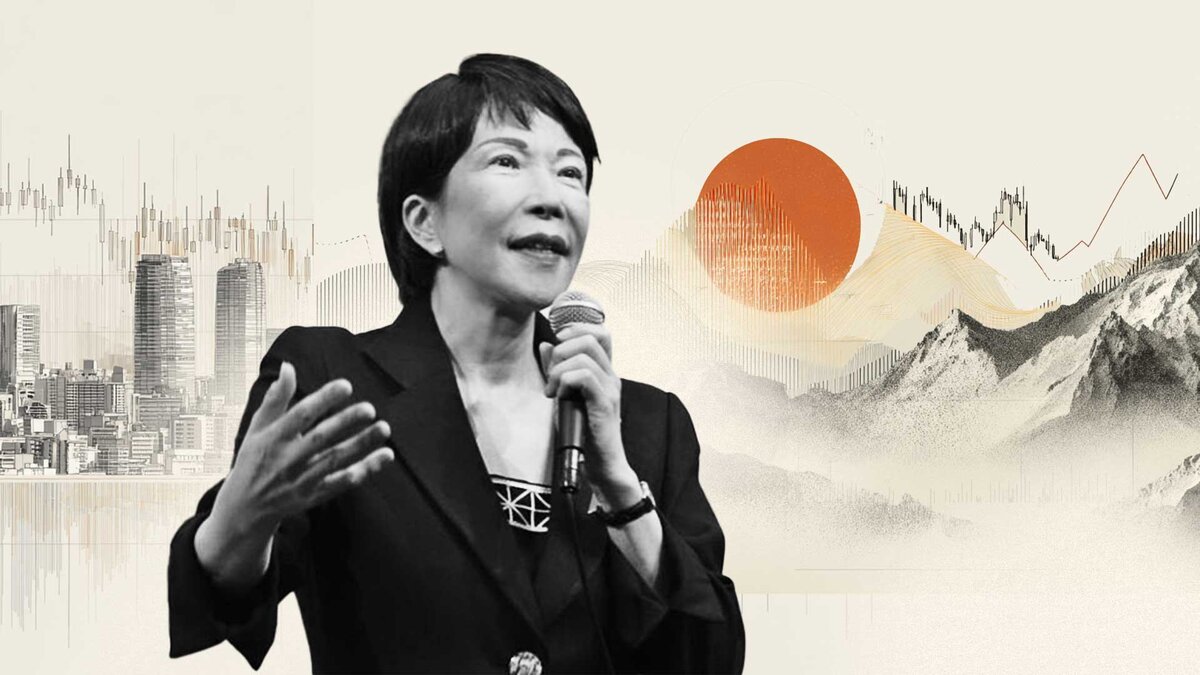
In Japan, markets are shining as reports that PM Takaichi may dissolve the lower house and call a snap election boost sentiment. A strong victory could unlock greater fiscal stimulus, giving rise to what some are calling the “Takaichi rally.” Tech stocks are leading gains, with the Topix up more than 2.5% at the time of writing, as she prioritises technology and defence investment. But the yields are to keep in mind: the 10-year JGB yield jumped to 2.16% this morning and the USDJPY is approaching the 159 level — a move that could soon trigger official pushback. Caution is warranted for those shorting the yen at current levels.
And a quick word on the risks posed by rising Japanese yields for global markets:
Normally, rising JGB yields increase the risk of a global selloff, as higher domestic yields raise the incentive for large Japanese investors to repatriate capital and lock in more attractive returns at home. Today, however, global liquidity remains so ample that this channel matters less than it normally would.
Author
Ipek Ozkardeskaya
Swissquote Bank Ltd
Ipek Ozkardeskaya began her financial career in 2010 in the structured products desk of the Swiss Banque Cantonale Vaudoise. She worked in HSBC Private Bank in Geneva in relation to high and ultra-high-net-worth clients.