Steady nonfarm payrolls report


Forex Market Analysis from CPT Markets UK
Marius Paun | London, UK | Senior dealer | Friday, 04 October 2019
Manufacturing data in the USA released by the Institute for Supply Management showed the factory activity declining to 47.8, the lowest reading since June 2009. It sparked fresh worries the economy is stuttering which, in turn, might just tip the odds in favour of further interest rates cuts sooner rather than later. In reaction, the US dollar weakened across the board, except against the Euro, where EURUSD went below the 1.09 handle due to data in Europe being even weaker. This was followed by the US nonfarm payrolls report out on Friday morning, which showed the economy added 136,000 jobs in September versus expectations for an increase of 145,000 jobs. The unemployment rate fell to 3.5%, the best seen in 5 decades with only the wages being less than consensus. Not that bad coming after manufacturing disappointment, so what followed was a rebound in stock prices which had seen heavy losses in the previous sessions.

China celebrated its National Day on 1st of October marked by a military parade. It was the 70th anniversary of the founding of the People’s Republic of China. The central bank, the People’s Bank of China, released a statement the weekend before, promising to continue to implement counter cyclical measures. So extra efforts to convince banks to pass that liquidity to the real economy should follow sooner rather than later.

In Eurozone, the picture for manufacturing data continues to deteriorate after September PMI came in at 45.7 vs 45.6 expected. Just to put that figure into context, at the start of the year we had a reading of 60 and 45.7 is worst level since October 2012. Germany PMI saw the biggest decline for the same period nosediving from 62 to 41.7. On top of that inflation in the euro area unexpectedly dropped last month to 0.9%, undershooting the forecast for 1%, and well below the 2% target. Surely, the European Central Bank feels vindicated now for restarting the monetary easing.
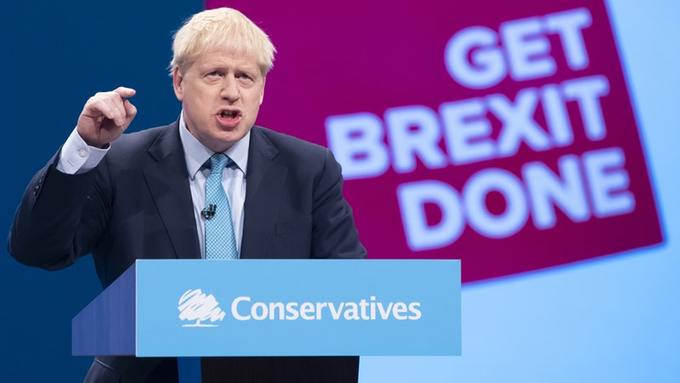
Back on the Brexit front, Prime Minister Johnson unveiled ‘a new plan with two borders for 4 years.’ This is supposed to address the main sticking point in the negotiations with the UE, the Irish backstop. The new proposal would leave Northern Ireland in a special relationship with Europe until 2025. Will it be accepted in Brussels? Hmmm… Although still in contraction territory, the manufacturing numbers in the UK were much better on a relative basis than the US and Europe. September PMI came in at 48.3 versus consensus of 47. The pound sterling looks like ending the week flat against the greenback just below 1.23 mark. As widely anticipated, the Reserve Bank of Australia decided to lower its cash rate by 25 basis points to 0.75% adding ‘the risks remain tilted to the downside, so it’s reasonable to expect an extended period of low interest rates’. The Australian economy increased by 1.4% to June which was weaker than forecast. The AUD touched a low of 0.6670 against the US dollar this week.
Author
Ray Shen
CPT Markets
Graduated from Canada TRU university of finance department, national golden trader; Engaged in financial industry for more than 10 years; Served as a staff writer of many networks, magazines and media; Invited as guest lecturer fo

















