Stark choices for the Conservatives in Britain and for the EU Commission in Brussels
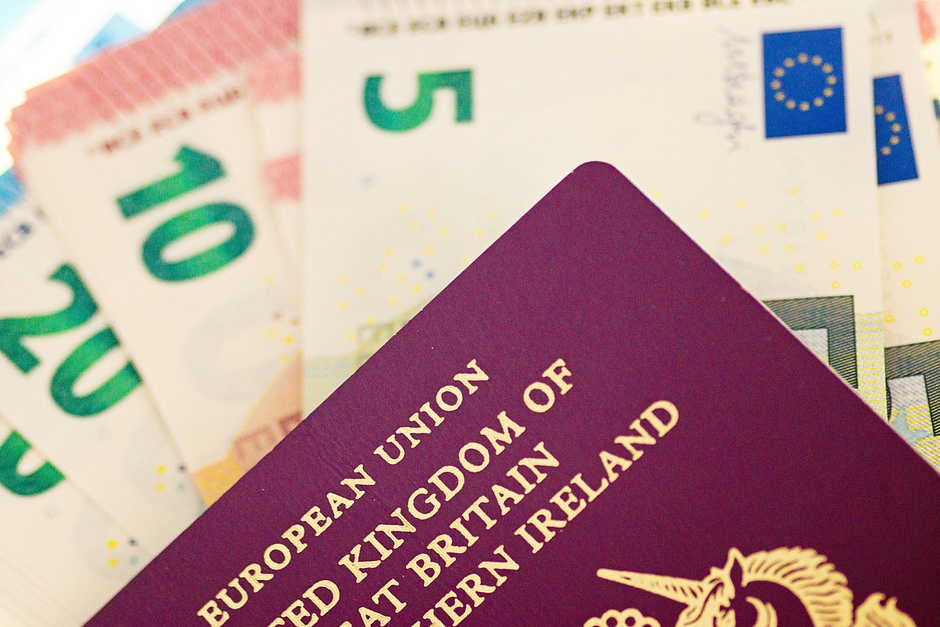

The Tories are in political box and right next to them is the EU Commission.
Prime Minister Theresa May says she is determined to bring the Brexit deal to a vote in the Commons despite the resignations of a series of ministers including Dominic Rabb the Brexit secretary. Michael Gove, the environment secretary and exit campaigner who was offered the Brexit portfolio but refused unless he was allowed to re-negotiate the deal, has decided to stay in the cabinet.
Other prominent Tory Euroskeptics led by Jacob Rees-Mogg have called for a vote of no-confidence in the Prime Minister claiming her deal betrays the purpose of the Brexit vote by leaving the UK under the regulatory thumb of Brussels with no clear path to an exit. Party rules require 48 requests to trigger a confidence vote which as of Friday evening in London were not available.
A confidence vote would be a fight between the party's two antagonistic wings. A leadership contest is a risky gambit for the party. There is no obvious candidate who could bridge the differences and unite the party for or against the Brexit deal. May might very well win such a vote with the backing of pro-European Tories. Even if she won and brought the Brexit bill to the House a loss there with Euroskeptics Tory MPs, Labor and the Northern Ireland Democratic Unionists voting against it might so weaken her government that a general election became inevitable. If it is clear Brexit will not pass the Commons why would May bring the bill to the floor?
The sterling saw its largest drop against the dollar in two years on Thursday falling almost 2 percent and as low as 1.2723 before stabilizing around 1.2780 and moving to 1.2825 on Friday. It had closed on Wednesday at 1.3011 following the cabinet approval of the Brexit deal. The EUR/GBP gained more than a figure and a half soaring from 0.8701 at the open to close at 0.8868 on Thursday and continued higher on Friday.. The pound fell over 8% on the day of the original exit vote on June 24, 2016
If Brexit cannot win in the Commons Ms. May and the Tories will have two choices. They can prepare the government and the country for a non-negotiated exit from the EU, the so-called clean Brexit. The uncertainty and turmoil this would spark in all areas of the economy would collapse the pound and precipitate a recession. It would be hard to see how May or the Tories could remain long in power. Why would the country trust them to manage the withdrawal when they so badly mismanaged the negotiations?
Ms May could, otherwise, accept the judgement of Commons on the treaty as the verdict of the country much as she acceded to the Brexit vote and attempt to renegotiate the objectionable parts of the Brexit deal. The Europeans have said there will be no further talks but is there any reason to believe that is final?
There is of course, a third way, a second referendum. Ms May has said this will not happen. No prominent Tory leader has as yet advocated another vote, though many of the backbench pro-European members and no doubt many on the continent would prefer the chance.
The dangers of a clean Brexit are just as visible from Berlin, Paris and Brussels as they are from London. The EU economy is slowing. What will a Brexit recession do to the continent?
Politically a clean Brexit is a greater threat to the European Union than it is to the UK. The EU is not a political monolith. It is not, despite what Brexiteers may say, a bureaucratic autocracy.
Italy is already restive. How will the populists in Rome respond when a recession sweeps down the peninsula from Brussels? How much easier and powerful will that make Roman defiance? What will the Poles, the Hungarians and those on the Eastern Marches facing Russia, all of whom have disagreements with Brussels, think? Populist discontent is flowering even in France and Germany, the heart of the EU.
Brexit will not seriously derange the political and cultural ties of the United Kingdom. It engenders party turnover not revolution. If Italy successfully defies Brussels' budget rules, where does that leave the enforcement of immigration and border policies? What does it do except erode the voluntary obedience of national governments to regulations that they do not like and feel that they had little say in imposition? How will it change popular judgement on the benefits and costs of EU membership?
Will the EU gamble all on Ms May's fall and a second Brexit vote? Renegotiation and a few concessions may win the point in Commons, gracefully offered it may even win over the Italians.
Author
Joseph Trevisani
FXStreet
Joseph Trevisani began his thirty-year career in the financial markets at Credit Suisse in New York and Singapore where he worked for 12 years as an interbank currency trader and trading desk manager.