Some losses for the Dollar despite strong GDP
Attention shifted in recent days from the meeting of the Federal Reserve (Fed) on Wednesday 28 October with the expected hold to somewhat negative earnings from major tech companies afterwards, notably Alphabet and Amazon. Now traders are also looking ahead to the American midterm elections on 3 November. This article summarises recent news and data affecting the dollar then looks briefly at the charts of USDJPY and USDCAD.
The Fed’s meeting on 28 October was mostly in line with expectations although two members of the FOMC dissented and voted for a single hike. The statement and Kevin Warsh’s comments at the press conference highlighted as before strong consumer spending and economic activity although there’s uncertainty related to the conflict in the Gulf and inflation remains elevated. The probability of a hike in December is down somewhat compared to this time last month but it still seems likely:
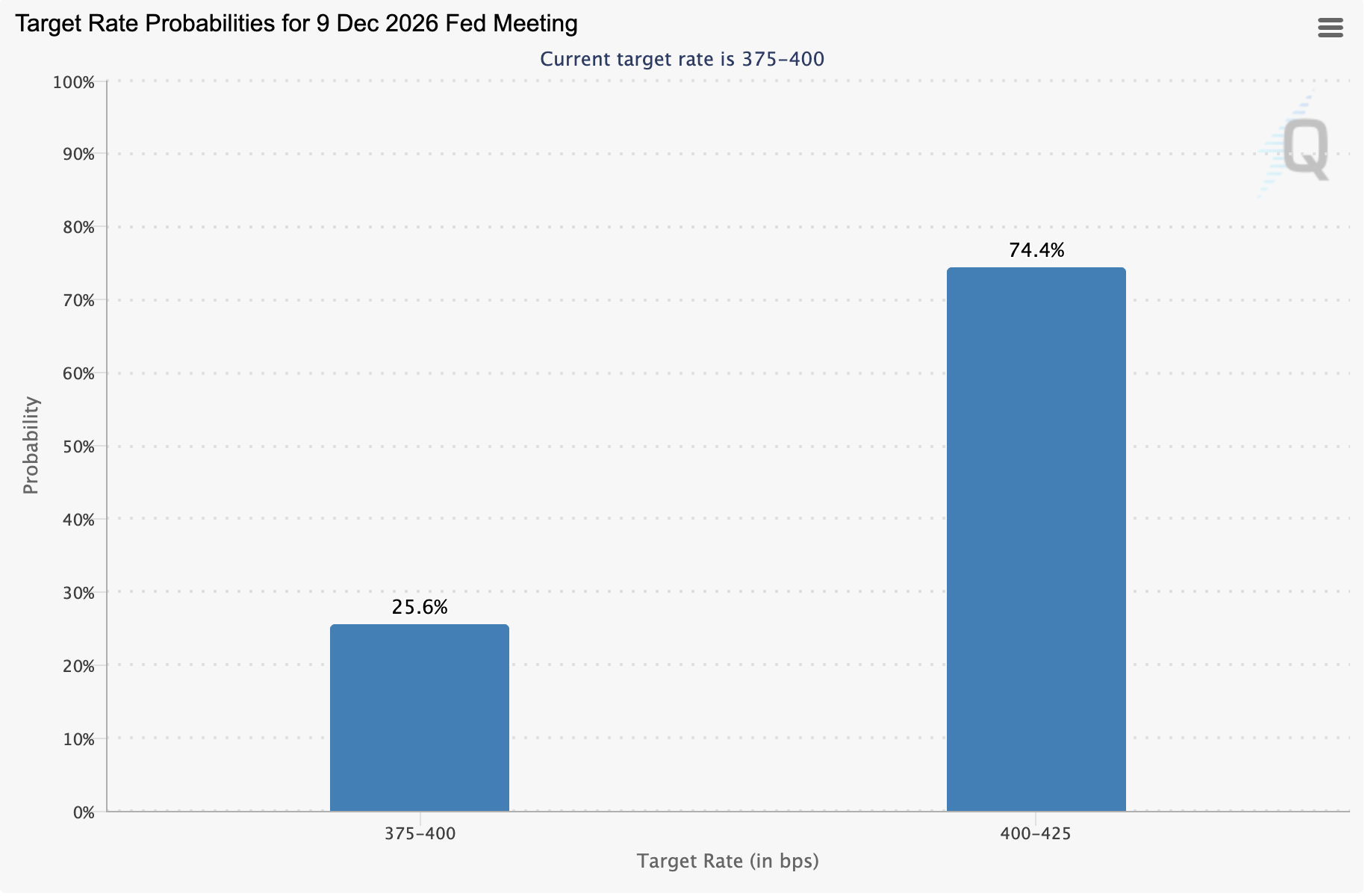
With rates slightly higher than annual headline PCE and the immediate impact of the energy shock seemingly clear, there doesn’t seem to be great urgency for the Fed to hike rates more quickly. The relatively weaker conditions in the job market also contribute to a degree of caution by the Fed.
However, 29 October’s advance GDP for last quarter was highly positive relative to Q2 and the consensus:
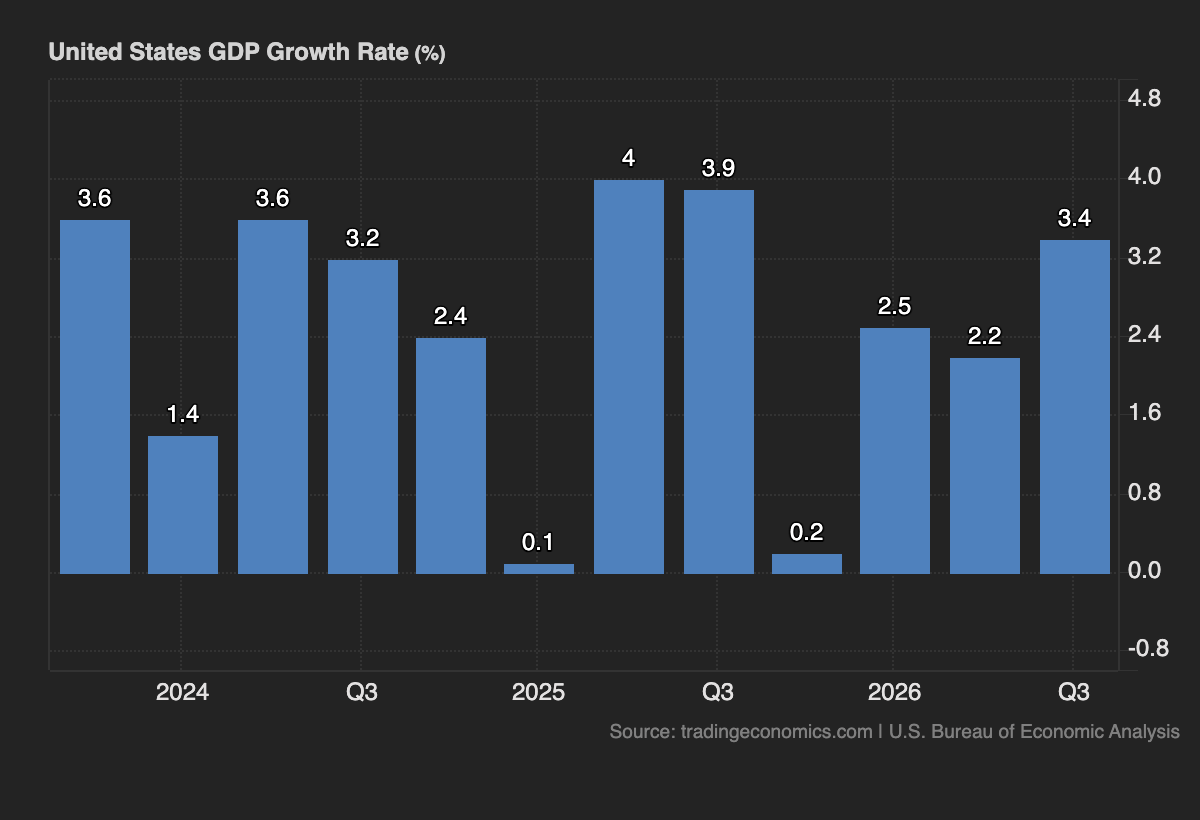
Private domestic investment was the major positive contributor with ongoing development of AI and related infrastructure. However, personal consumption was still strong at 3.8% growth, matching the previous quarter. There was some drag from a higher trade deficit.
Overall the impression from recent data and (lack of) news from the Gulf is that the Fed can take its time and possibly avoid the most hawkish scenarioes for next year. 5-5.25% (i.e. five more hikes) by June next year now has a probability of less than 1% and 4.75-5% (four more hikes) around 8%. With most sources indicating that the total flow of oil from the Gulf has now surpassed pre-war levels, upward pressure on inflation from energy might be ending, but traders will continue to monitor job data and CPI coming up in the next few weeks.
Dollar-Yen down after the BoJ signals more hikes
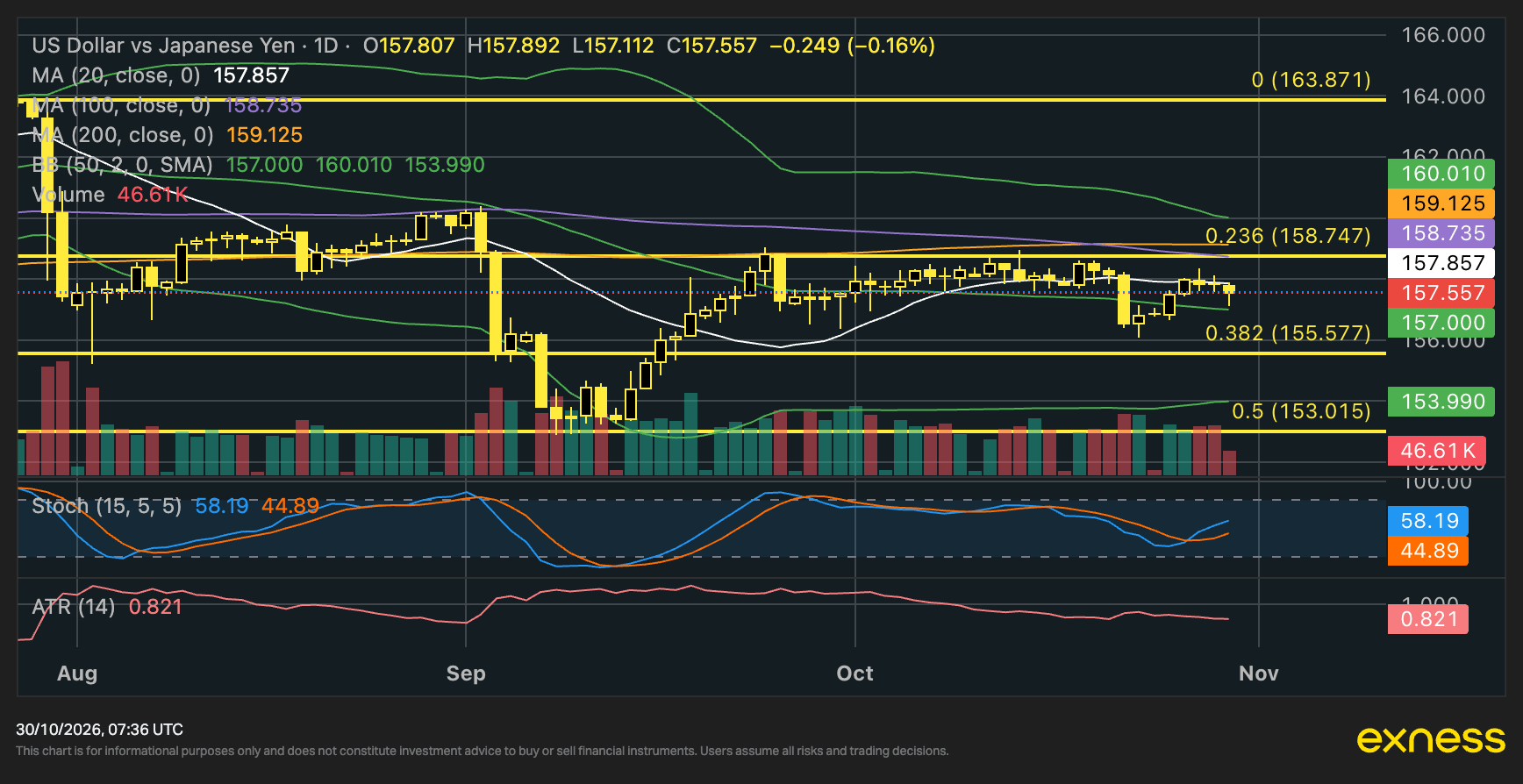
Dollar-Yen declined somewhat in the aftermath of the Bank of Japan’s meeting on 30 October. The BoJ held at 1.25% as expected but commented on inflation reaching the target for the first time since it was set more than a decade ago and appeared to signal more hikes to come to bring rates to neutral, with the next possible in December or early in 2027. Demand for Japanese bonds has improved recently as rates have risen where there seems to have been some demand for havens around some negative earnings reports from major American technological companies.
The sideways channel between the 23.6% and 38.2% weekly Fibonacci retracements might hold over the next few days with relatively low volume and no major releases from either country until the American midterms. Another intervention now seems less likely with limited demand or upward momentum. The 50 SMA from Bands around ¥157 could be an important short-term dynamic support; if it’s broken, the price might move down to ¥155.50 before bouncing.
The upper boundary of the recent channel around ¥158.80 seems likely to cap gains in the near future unless sentiment changes significantly or the results from the midterms are particularly quick and clear. Traders are also looking ahead to the American job report on 6 November.
USD/CAD down slightly after the BoC’s hike
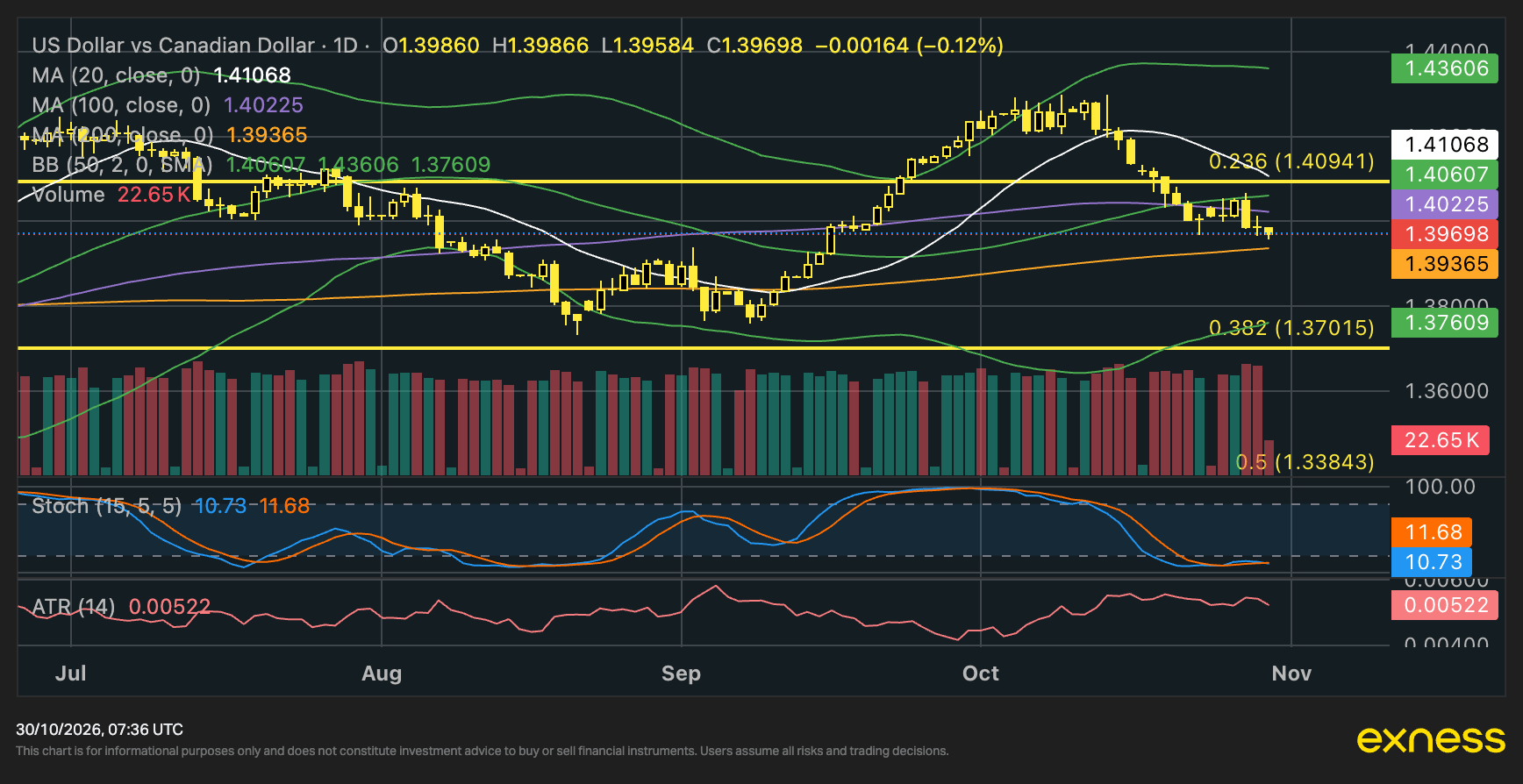
The Bank of Canada hiked for the first time in three years on 28 October, taking its rate to 2.5% as annual headline inflation remained around 3% for several months running. The reaction on the chart was relatively small given that this had been priced in but with forecasts for growth and inflation raised more hikes might be likely over the next few months. Traders are continuing to monitor trade negotiations between Canada and the USA. Divergence in monetary policy is likely to continue favouring the US dollar at least into next summer.
With the slow stochastic clearly signalling oversold and the 200 SMA not far below the current price at about $1.394, immediate continuation lower seems questionable; the price might consolidate around $1.396 instead until the next major news and data. The longer-term target if the price continues down might be around $1.37-$1.375 above the 38.2% weekly Fibonacci retracement.
A strong bounce seems unlikely for now technically but if it occurs the 23.6% Fibo around $1.41 might be an important resistance. Apart from the midterms, the results of which might not be fully clear for several days, 6 November is likely to be a highly volatile day for Dollar-Lonie since both countries’ job reports come out simultaneously.
Author

Michael Stark
Exness
Michael has been investing since 2007 and trading CFDs since 2013. He favors considering both fundamental and technical analysis where possible, with a focus on swing and position trading.

















