Shutdown theater, melt-up reality

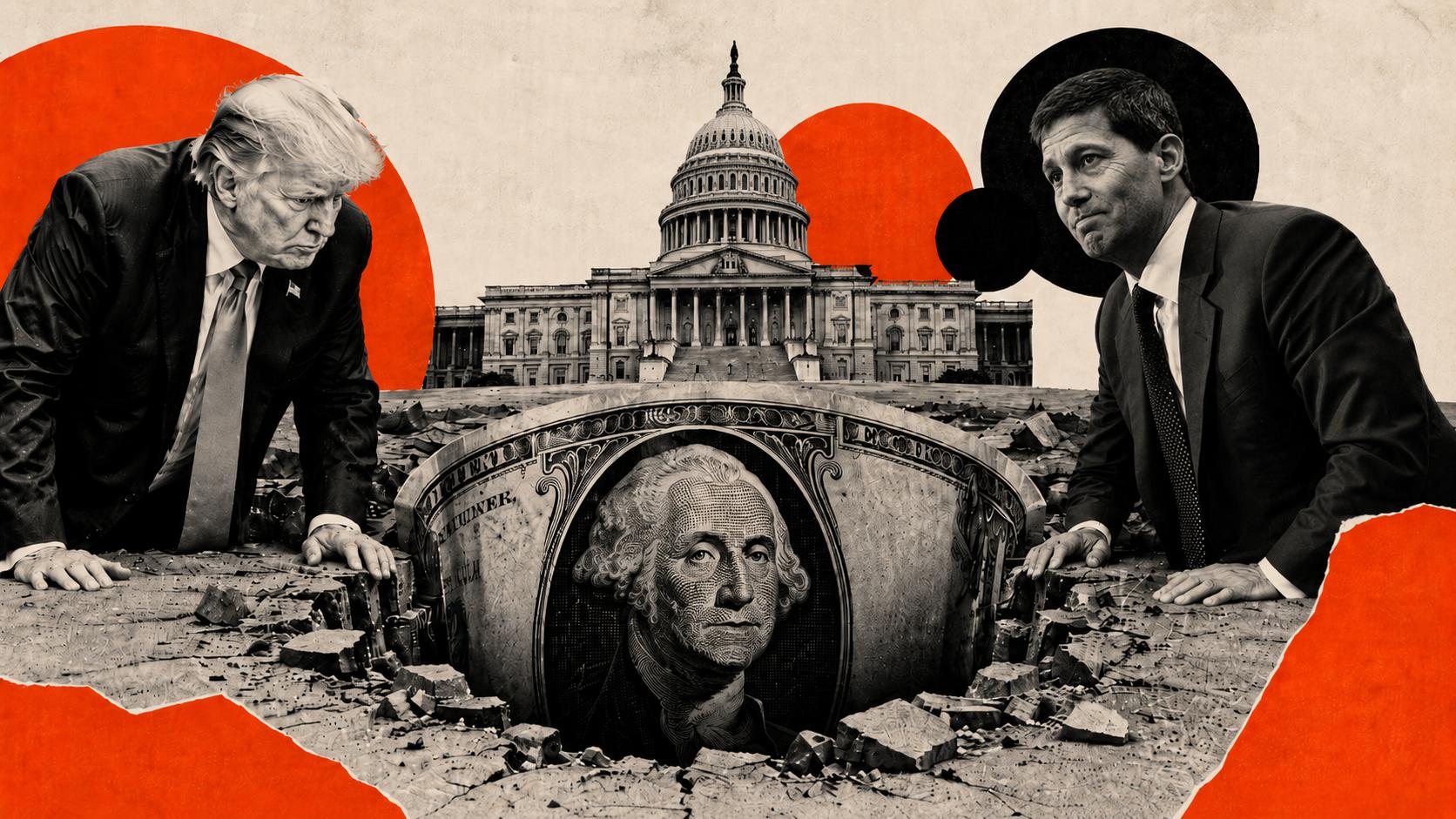
Markets once again proved that they love nothing more than turning a crisis into a stage set for higher prices. On a day when Washington turned off the lights, the tape did what it’s been doing since spring—it marched right over the bears and carved fresh highs. The S&P 500 finally vaulted past 6,700, a milestone that almost seemed designed to mock those who expected the shutdown to be the great stumbling block. Instead, it was another rug-pull for the shorts, another lesson in how little Washington drama actually dents Wall Street’s stride.
The session began with hesitation. Futures wobbled, equities opened soft, and the S&P at one point sank half a percent as traders leaned into the gloom. But what looked like a stumble quickly turned into a sprint. Healthcare led the cavalry charge, turbo-boosted by political headlines on drug pricing and White House deals, with Regeneron and Moderna at the vanguard. Big tech—the market’s usual generals in this cycle—fell in step, Tesla and Nvidia giving just enough lift to tip the balance. By the close, the index was riding higher for a fourth straight day. It was the classic playbook of 2024: scare the weak hands, then rip the tape higher.
At the core of the rally was the oldest market paradox: bad news is good news. The ADP payroll number cratered—an outright ugly print, marking the third consecutive negative result in four months. Usually, that kind of labour signal would ring alarm bells. However, in this unusual theatre, it merely pushed traders further into rate-cut bets. No nonfarm payrolls on Friday, thanks to the shutdown? No problem. In the market's eye, the Fed has more than enough evidence to justify another 25-basis-point interest rate cut.
One thing I find almost absurd—barely covered in the headlines—is the glaring disconnect between the so-called “ugly” job loss data and the reality of a US economy still powering ahead at close to 4% growth. Q2 GDP clocked in at 3.8%, and the Atlanta Fed’s Q3 tracker is nudging 3.9%. That’s not an economy buckling under strain, that’s an economy running hot. The labour softness looks less like genuine weakness and more like a function of structural shifts—immigration trends tightening labour supply, and AI efficiencies quietly shaving demand at the margins. So here we are: the Fed cutting rates into a backdrop of near-4% Q3 GDP. In any trader’s manual, that’s not a red flag—it’s music to investors’ ears.
So the shutdown becomes almost a source of comic relief. History shows these episodes rarely last, and rarely dent GDP meaningfully. The bigger talking point is the new wrinkle—Republicans threatening to treat non-essential staff not as furloughed but permanently cut. That may yet become a political poker chip, but for markets, it remains background noise. Unless layoffs snowball or the bond market revolts, equities see little reason to flinch.
Instead, the flows told the story. My colleagues’ Institutional Desk reported activity as “middling”—a 5 out of 10 day—but beneath that, a clear skew: long-onlys buying healthcare and consumer names, hedge funds leaning into tech, media, telecom, and financials. Factors confirmed the same tilt: “most short” baskets ripped higher, unprofitable tech outperformed, and AI darlings caught another bid. Growth lagged value, but the sector rotation was enough to keep the melt-up intact. Pharma was the clear star, surging on expectations that drug pricing flexibility would favour new launches over legacy cuts. Generalists piled in, hedgies chased, and the rotation from medtech to pharma looked like a fire hose of demand.
Beyond equities, the shutdown’s fingerprints were lighter. The dollar remains soft, but not in any decisive fashion—some traders chalk it up to Washington’s dysfunction and take it as a reason to sell. Treasuries followed suit, with 10-year yields dropping to weekly lows, as the ADP print reinforced the dovish tilt. Gold and silver barely blinked, still circling record levels. Crypto got the adrenaline hit—bitcoin and ether both jumped on the shift in rate expectations. But the cracks in credit markets whispered a different story. Blackstone’s BDC slumped to multi-year lows, while Blue Owl sagged too—reminders that, despite the S&P's levitation, private credit feels the weight of higher funding costs and thinner liquidity.
So where does that leave the road ahead? With Washington shuttered and data delayed, the next catalyst becomes earnings. Ten days from now, the Q3 season opens, with consensus pencilling in 6% S&P growth—14% for the Magnificent 7, 4% for everyone else. That tracks neatly with expectations for 7% EPS growth into 2025 and a 7,200 target for the S&P 500. Traders are already rehearsing for another year-end crescendo.
For bears, this shutdown was supposed to be their cavalry moment. Instead, it was yet another ambush. The market shrugged, turned bad news into fuel for good news, and rode higher. As long as growth hums and the Fed is free to cut, shutdowns, strikes, or political theatre will remain little more than passing clouds. The bigger danger is not the government shutting down—it’s the market never giving you a proper entry point before the next leg higher.
Author

Stephen Innes
SPI Asset Management
With more than 25 years of experience, Stephen has a deep-seated knowledge of G10 and Asian currency markets as well as precious metal and oil markets.