Short-Term Outlook: All about Earnings, Trade, and Easing

Risk appetite is waning as earnings season picks up and as political posturing between the Chinese and Americans see no substantial progress on the trade front. US stocks have been unable to extend the record rally despite a relatively good start to earnings season that has seen a majority of companies deliver earnings beats. A mixed picture from transportation stocks will have followers of Dow Theory argue it will be difficult for US stocks to resume the record rally. Technology stocks got off to a bad start came from poor results (Netflix), continued crackdowns on unfair practices (Amazon) and regulatory scrutiny on Facebook’s Libra currency. Next Thursday, both Amazon and Google parent Alphabet will report earnings.
Safe-haven flows have been somewhat limited this week as markets eagerly await the Fed’s interest rate decision at the end of the month. Regarding FOMC expectations, the Fed fund future markets are now pricing a 25 basis rate cut on July 31st and an additional 50-basis point cuts for the remainder of the year.
Central Banks this week
The Reserve Bank of Australia (RBA) July minutes signaled they could cut rates further if necessary. On July 2nd, the RBA delivered its second consecutive cut, bringing the cash target rate to 1.00%. The central bank is focused on the labor market and the recent string of data has seen nine straight months of growth. The Australian dollar softer to start the week, but has rebounded strongly as speculation rose the RBA would hold off on delivering a rate cut in August.
Bank of England policymakers continue to deliver rhetoric that support the argument that rates could rise if a smooth Brexit occurs. BOE Gov Carney this week highlighted that divergent outlooks are not unsurprising and that officials will explore how to best illustrate market sensitivities. The Treasury Committee also asked the BOE and Treasury to Brexit economic analysis that presented last November. The British pound rebounded off the lows of the week after no-deal Brexit risks eased after Parliament made it harder for PM front-runner Boris Johnson to suspend Commons in order to deliver a no-deal Brexit. Next Tuesday, we should find out if Boris Johnson becomes the new PM.
A wrath of Fed speak did little to dissuade expectations the Fed will cut rates at the end of the month. The key Fed takeaway came from the Beige Book which continued to put an emphasis on the effects of the trade war. Fed Chair Powell’s speech on monetary policy reiterated that the Fed will act as appropriate to sustain expansion. The dollar is surprisingly still pretty strong as a recent batch of better than expected labor, inflation and retail sales data pared back some rate cut expectations.
The ECB observed a quiet period ahead of next week’s rate decision. Press reports circulated that that they could revamp their inflation target, a move that would embolden policymakers to easy policy for much longer.
On Thursday, the South African central bank (SARB) cut interest rates for the first time since March last year. The decision was unanimous and the rand rallied as policymakers noted they expect a GDP rebound in Q2, thus avoiding a recession and that they did not consider a 50 basis point cut. They could loosen further down the road but for now it appears they are one and done.
On Monday, Turkey’s new central bank (CBRT)governor, Murat Uysal delivered his first interview since Erdogan fired governor Cetinkaya via presidential decree. Uysal noted there is room for maneuver in monetary policy” however vowed to preserve “a reasonable rate of real return” for investors. The bigger story for the lira was Trump’s comment that he is not looking at sanctioning Turkey right now. Next week the Turkey’s CBRT is expected to cut rates by 350 basis points.
Thailand central bank (BOT) governor reiterated concerns on the baht’s strength and that cutting policy rate may not have much impact. The BOT is expected to ease rules on money outflows and may cut bond supply.
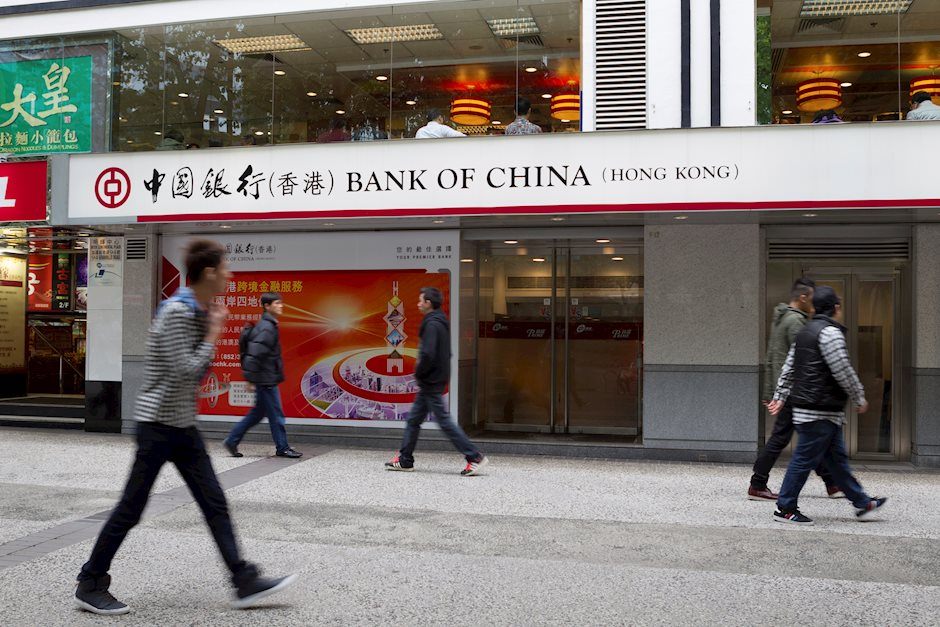
The Hong Kong government will shortly announce the replacement of the chief executive of the Hong Kong Monetary Authority. The current head, Norman Chan will retire on October 1st. It is expected for them to select someone internally that will keep the HKMA intervention efforts and maintaining the system that keeps the peg to the greenback.
No major events came out of the Mexico central bank (Banxico), Sweden’s Riksbank, Poland’s central bank, Norway’s Norges, and the Reserve Bank of India (RBI).
Bitcoin volatility to remain
Bitcoin and other cryptocurrencies survived the Congressional grilling on Facebook’s proposed digital currency offering. The digital coin space has already been enduring an increased regulatory environment, but the Facebook proposed offering has caught the attention of all US government leaders. Current laws limit the reach Congress currently has on Libra since they are not a bank. The SEC could deem Libra a security and regulate them. Bitcoin’s rollercoaster ride continues with volatility easily to see moves towards $8000 and $14,000.
Iran
Oil prices are plummeting this week as optimism grows that we could see a de-escalation in tensions in the Persian Gulf and as Russia’s largest pipeline operator, Transneft resumed full flows of supplies. Earlier on Thursday, Iran’s Revolutionary Guard seized a foreign vessel. The situation however remains fluid as shortly after Iran offered they would accept enhanced inspections of its nuclear program if the US lifted their sanctions. The lack of trade progress between the US and China has also dealt a strong blow to the demand outlook for crude prices. While oil has now fallen below a couple of major support levels, geopolitical risks from Nigeria and Libya could see fresh disruptions to crude supply. It is unlikely we will see a quick agreement between the US and Iran.
Commodities
Commodities are poised to benefit from global whirlwind of stimulus. The Fed is expected to deliver 75-basis point in cuts, the PBOC is expected to step up their efforts and possibly deliver RRR cuts, the ECB could resume cutting rates and restarting their bond buying program and the BOJ will extend their low interest rate pledge and support a government stimulus package later in the Fall. Gold has consolidated for much of the month, while silver has outperformed. Both precious metals are on the verge of major technical breakouts that could see significant momentum in the coming months.
Author
Ed Moya
MarketPulse
With more than 20 years’ trading experience, Ed Moya is a market analyst with OANDA, producing up-to-the-minute fundamental analysis of geo-political events and monetary policies in the US, Europe, the Middle East and North Africa.

















