Russian talk of nuclear weapons, West's SWIFT sanctions to trigger panic, then create opportunities
- Russian President Putin heightened his country's nuclear readiness amid the war in Ukraine.
- The EU and US ban major Russian banks from the SWIFT payment system.
- Panic is set to hit financial markets on Monday, boosting the dollar and gold.
- Investors tend to overreact, creating opportunities to take the other direction.
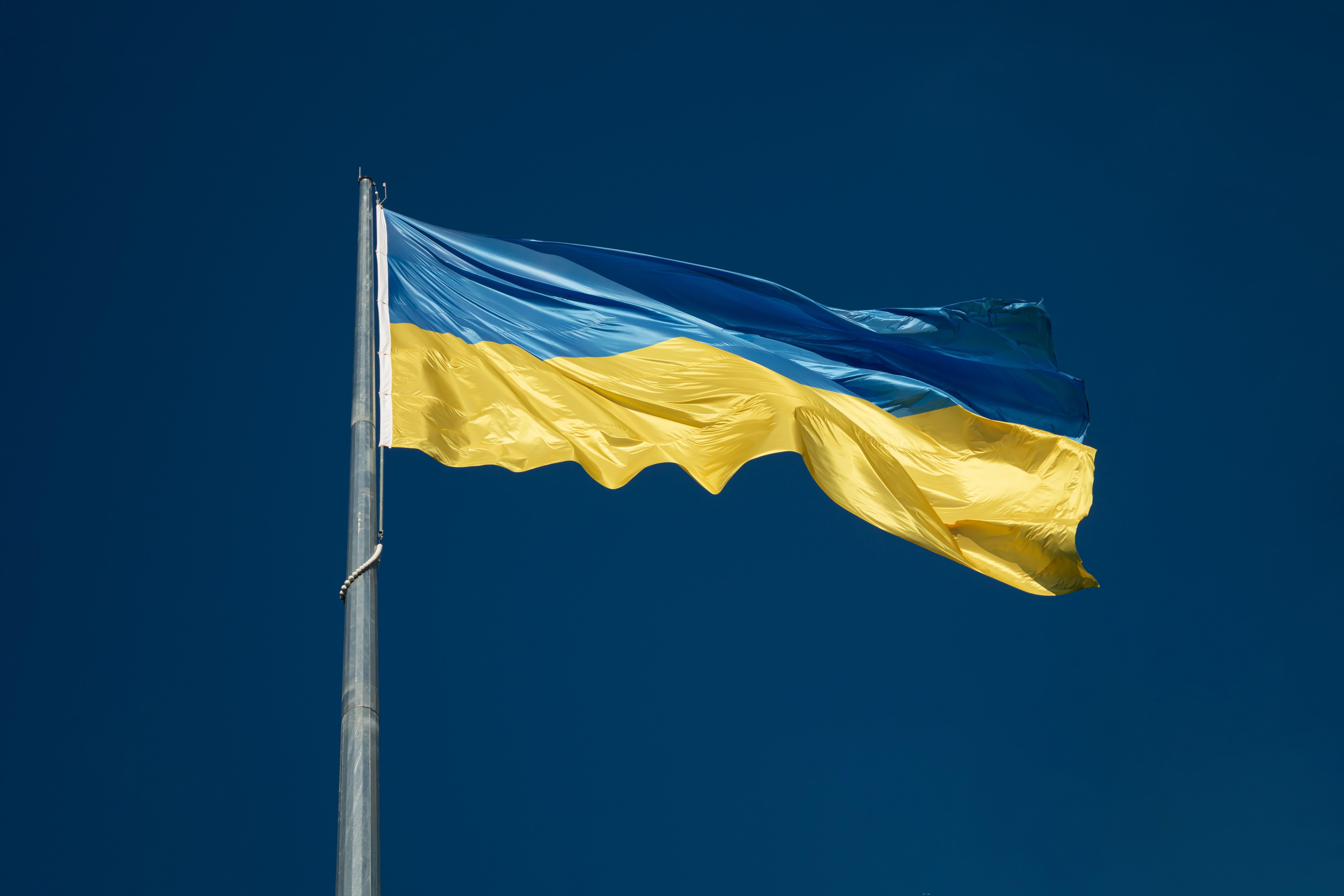
The "blitzkrieg" has failed – Russia's massive military has yet to defeat Ukraine after four days of war, and without a quick outcome, ongoing hostilities have resulted in a major escalation on other fronts. As the weekend ends, markets return and are set to act.
Perhaps frustrated by his soldiers' slow moves, Russia's President Vladimir Putin has blamed NATO for raising the rhetoric and instructed his strategic deterrence crews to raise their readiness. Any talk about the nuclear option – the literal one – is scaring markets.
The West, seemingly encouraged by Ukraine's fierce resistance, has finally come around to banning some Russian banks from the SWIFT payments system. Moreover, the EU froze assets held by Russia's central bank. The bloc also closed its skies to Russian airlines while America's UPS and FedEx stopped working with the country. The financial stranglehold is becoming significant.
Brussels also moved forward to send weapons to Ukraine. Germany – a country that is afraid of its own past – went beyond passing arms to Kyiv but also enlarged its defense budget. Sending arms to a country is the closest to intervening in a war, and raises the chances that other countries could be drawn into the conflict.
Market panic
While Russia and Ukraine have agreed to talks, the overall picture is of a major escalation. Panic is set to plunge stocks, and send investors to the safety of the US dollar and US debt. In turn, falling returns on Treasuries boost gold, which offers no yield.
However, once liquidity increases in the European session more importantly in the US session, cooler heads may find any panic as a buying opportunity. Some stocks may fall to far, and funds could flow to currencies that have plummeted.
The Russian rouble and Moscow's stock market are set to plunge more than any other stock market, and they may find it hard to recover anytime soon.
What's next?
What's next? It is hard to see the World War III coming out of this conflict, and a trader betting on a nuclear war may find it hard to recover the money – if the world is destroyed, there would be no access to money.
A more likely scenario is that the war would drag for longer, and ongoing tensions would hit the global economy. Stocks would recover from the initial crash but would gradually decline. The Federal Reserve would then reconsider its planned rate hikes, taking the hot air out of the dollar.
A more optimistic scenario is that Russia and Ukraine agree to a ceasefire, and hopefully, Putin is pushed to retreat from Kyiv. That would trigger a relief rally, stocks positive and dollar negative.
Conclusion
Overall, the major escalation in financial sanctions and Russia's nuclear threats are set to weigh heavily on sentiment, before markets "buy the dip." Later, the next steps in the conflict will determine the next moves. It is easy to get into a war, and hard to get out of it.
Premium
You have reached your limit of 3 free articles for this month.
Start your subscription and get access to all our original articles.
Author

Yohay Elam
FXStreet
Yohay is in Forex since 2008 when he founded Forex Crunch, a blog crafted in his free time that turned into a fully-fledged currency website later sold to Finixio.