Third Plenum: China vows more market reform but implementation will be key
- At the Third Plenum, China vowed to improve the market mechanism and create a more fair market environment for private businesses. Further opening-up was also highlighted.
- This is an important signal at a time when popular perception is that China is moving toward a purely state driven economy. But at the end of the day what matters is the implementation and China has disappointed on this before.
- Technology and innovation as well as fiscal and welfare reforms are also key priorities.
- The communiqué released gives a broad outline of priorities and we will get more detailed policy documents over the weekend.
- Reforms or not, it will not do much to lift China out of the challenges short term as these are more related to the housing crisis. It does affect China’s long term growth potential, though.
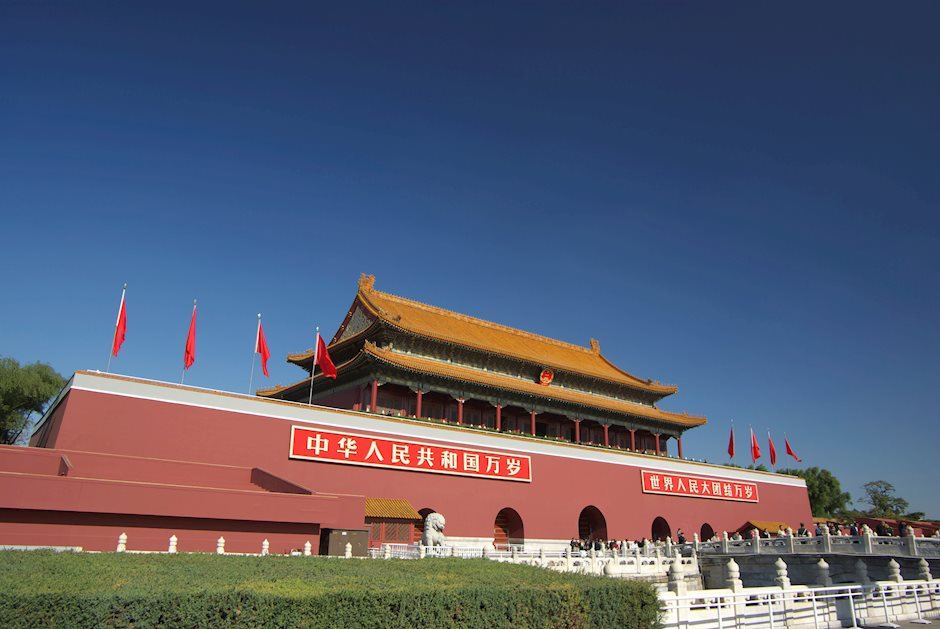

China’s Third Plenum, which focuses on reforms, ended today with the release of a communiqué outlining key reforms for the next five years. So far, the blueprint was broadly as expected following a range of articles in state media lately hinting at the priorities of the Chinese leadership. We will know more when more detailed documents are released. Below are the key phrases and takeaways (my own underlining):
- Market reform: “In building a high-standard socialist market economy, the role of the market must be better leveraged, with a fairer and more dynamic market environment to be fostered and resource allocation to be made as efficient and productive as possible. Restrictions on the market will be lifted while effective regulation will be ensured to better maintain order in the market and remedy market failures.” “We will ensure that economic entities under all forms of ownership have equal access to factors of production in accordance with the law, compete in the market on an equal footing, and are protected by the law as equals.” China is currently drafting a private sector law that aims at achieving the above goals. Importantly, it sends a signal of China’s continued commitment to have the private sector play a vital role in the economy.
- Growth: Highly unusual at the Third Plenum, the current state of the economy was discussed, which indicates the seriousness of the economic situation. The communiqué stated that officials “must remain firmly committed to accomplishing the goals for this year's economic and social development” and will “actively expand domestic demand”. Hence, more stimulus will likely be rolled out to reach the 5% goal after the disappointing 4.7% y/y growth in Q2.
- Opening-up: “We must remain committed to the basic state policy of opening to the outside world and continue to promote reform through opening up”. This mirrors what China has stated for many years but it has gone hand-in-hand with domestic protectionism on the ground. However, after the covid pandemic new efforts have been taken to make the business environment more attractive for foreign businesses and China has also removed all restrictions on investments within manufacturing. China is likely to make more trade deals with not least Global South countries but it will likely happen alongside more trade disputes with US and Europe.
- Technology and innovation: “We will improve the institutions and mechanisms for fostering new quality productive forces in line with local conditions. We must… improve the new system for mobilizing resources nationwide to make key technological breakthroughs. We will deepen comprehensive reform in education, deepen structural scientific and technological reform”. It has been clear for a long time that technology and innovation is front and centre in China’s development strategy and a key focus is raising total factor productivity which is synonymous with the “fostering of new quality productive forces”. The government will play a big role in this. It is also key in China’s self-reliance strategy in critical sectors.
- Fiscal and financial reform: “We must pursue coordinated reforms in the fiscal, tax, financial, and other major sectors. We will… deepen reform of the fiscal and taxation systems, further reform the financial system”. China needs reform of its’ fiscal system where revenues in local governments rely significantly on sale of land. They need other sources of revenue, or the central government needs to take a bigger share of the financing burden. There are no details about the reform, though, but we may know more in the coming days.
- Welfare reform: “…ensuring and enhancing the people's wellbeing in the course of development is one of the major tasks of Chinese modernization… We must refine the system for guaranteeing basic public services… and provide a cushion for those most in need … We will improve the income distribution system, the employment-first policy, and the social security system, further reform the medical and healthcare systems, and improve the systems for facilitating population development and providing related services”. The Chinese social safety net is very weak and a key reason why households save a lot of their income. Providing more social security is key to get savings rates down. However, so far it has happened at a slow pace and it remains to be seen if it will change. The declining population is indirectly addressed and more child care services are hinted at in order to lift birth rates.
Otherwise, the communiqué highlighted national security as a priority, modernizing the national defence, and highlighted the need to green development and cutting carbon emissions.
Author
Danske Research Team
Danske Bank A/S
Research is part of Danske Bank Markets and operate as Danske Bank's research department. The department monitors financial markets and economic trends of relevance to Danske Bank Markets and its clients.