Primary fiscal balances vary across the CEE

On the radar
-
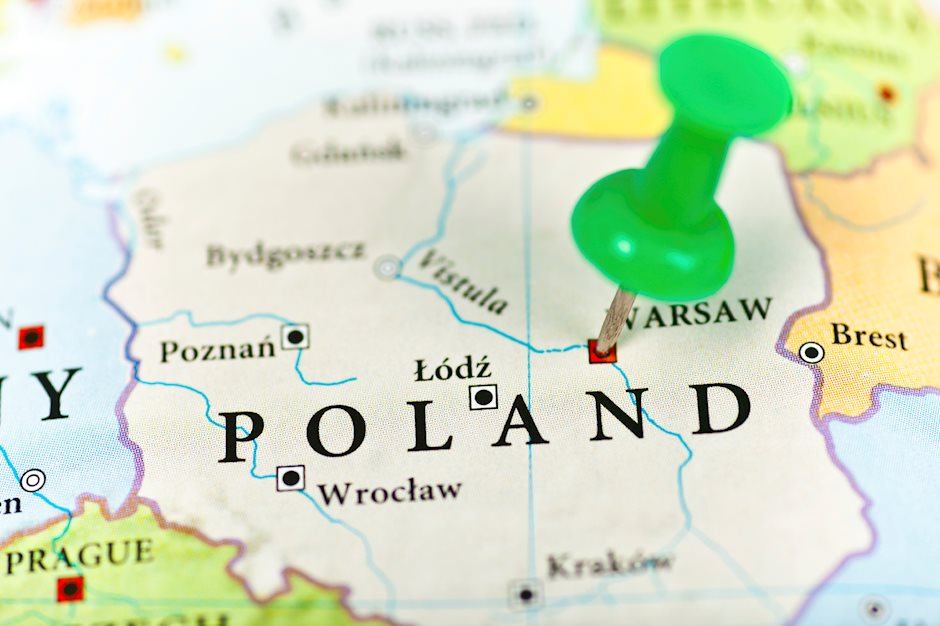
In Poland, industrial output grew by 4.7% y/y in October, above market expectations. Wages went up 10.2% y/y while employment declined by -0.5% y/y. Producer prices declined by -5.2% y/y in October.
-
Today, at 10 AM CET, retail sales will be published in Poland.
Economic developments
Today, we look deeper into the fiscal performance of the region, focusing on the primary budget balance, which excludes interest rate costs. Most countries in the region entered this turbulent decade in relatively good shape, except for Romania. In 2019, Romania's primary balance was -3.3% of GDP, while the next worst country, Slovakia, had primary balance of zero. All other primary budgets were in surplus before 2020. Looking ahead, none of the CEE countries is expected to have a positive primary balance next year, highlighting greater disparity within the region. According to the European Commission forecasts, Poland, Slovakia, and Romania are projected to have deeply negative primary balances, with Romania reaching -5.8% of GDP. The risk of delays in fiscal consolidation has increased following the presidential elections. Slovakia faces a challenging situation, as further consolidation is required after this year’s reforms. Poland's high primary deficit is primarily driven by defense expenditure. Conversely, Hungary has made significant progress in consolidation compared to 2022, although their deficit remains high when interest expenses are included. Out of the region, Slovenia, Hungary and Croatia will have their primary balances higher than the Eurozone average.
Market movements
In Romania, bond market reacted to the outcome of the first round of the presidential elections and the victory of far-right candidate Georgescu. The long-term yields went up visibly on Monday and 10Y yield is at 7.3% on Tuesday morning. The spread vs. German bunds have widened reflecting rising risk premium investors demand, given most recent development. CEE currencies have strengthened against the euro since the beginning of the week. In Hungary, Economy Minister Nagy expressed hope for the key rate to be lowered from 6.5% and expects the new central bank governor to be named within days. Hungary also plans a substantial increase in minimum wage as a part of the plan to restart economy ahead of 2026 parliamentary elections.
Author
Erste Bank Research Team
Erste Bank
At Erste Group we greatly value transparency. Our Investor Relations team strives to provide comprehensive information with frequent updates to ensure that the details on these pages are always current.