Powell’s caution clips the market’s wings
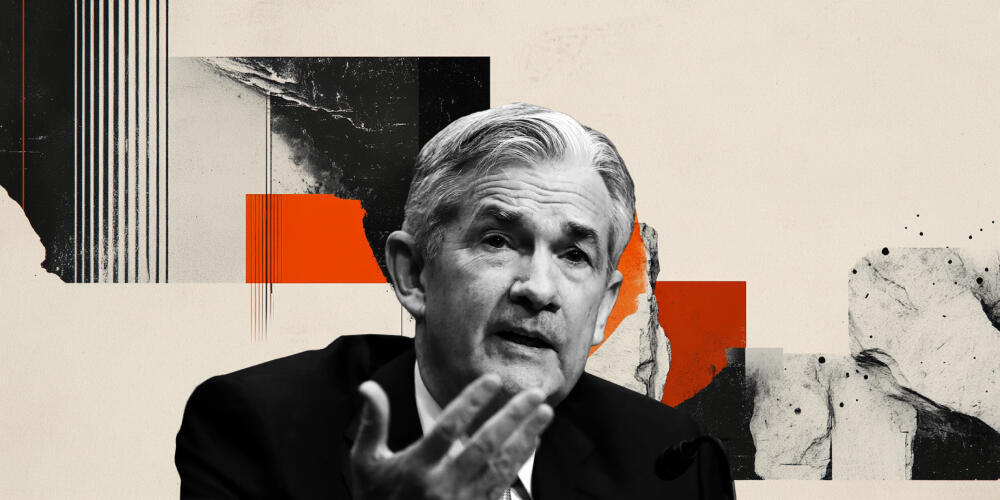
The market had been running hot, fuelled by a mix of dovish hope and AI exuberance, but Jerome Powell just wandered into the room with a bucket of cold water. His Rhode Island speech reminded everyone that the Fed is still playing the thankless role of tightrope walker, balancing between a slowing job market on one side and the inflationary afterburn from tariffs on the other. When Powell puts on his “valuation analyst” hat and mutters that equities are “highly valued,” traders know the fun police have arrived. He wasn’t exactly banging the dovish gong; instead, he tapped the brakes in subtle but unnerving fashion.
The numbers told the story: the S&P 500 slipped 0.55% after touching fresh highs earlier in the day, the Nasdaq tumbled nearly 1% under the weight of its AI generals, and the Dow gave up a modest 88 points. Nvidia, which had been riding a sugar high from its $100 billion lifeline to OpenAI, dropped nearly 3% as the aftertaste of that deal settled in. Oracle gave back more than 4% after a torrid run, while Amazon slid as investors began to question whether the AI revolution has the energy grid to fuel it. The once euphoric Nvidia–OpenAI arrangement is starting to look less like a golden partnership and more like the dot-com era’s vendor financing reruns—where suppliers turned into their customers’ bankers, only to regret it later.
Powell’s core message was once again simple but sobering: “There is no risk-free path.” Lower rates might justify higher valuations on paper, but with inflation risks leaning up and employment risks tilting down, the Fed is boxed into a corner. The “doves versus hawks” meter that traders slavishly consult just got scrambled—Powell sounded more like an umpire reminding the crowd that the strike zone doesn’t move just because the batter wants it to.
Fast money and momentum desks didn’t need much encouragement to ring the register. With pension rebalancing and quarter-end calendar friction ahead, booking profits became the easy choice. The next real script will be written by Friday’s PCE print, followed by payrolls next week and CPI right behind it—landmarks on the Fed’s risk-management map. For now, traders are bracing for minor turbulence and trimming exposure, not unlike climbers roping in before a dangerous ridge.
But let’s not kid ourselves: stocks aren’t moving on textbook fundamentals anymore. This market has been running on two fuels—Fed liquidity expectations and the AI supercycle. If Powell rattled the first engine, the more dangerous risk lies in the second. AI is not a sideshow; it has become the North Star for equity valuations. The hyperscale giants—Amazon, Microsoft, Google, META, Oracle—are the capex moonshots keeping the dream alive. Should their investment cadence stall, whether from financing constraints, energy shortages, or simple overreach, the entire AI constellation could dim.
And that’s the rub. The real risk to equities isn’t one fewer Fed cut—it’s the possibility that the AI bonfire runs out of fresh wood. For now, Wall Street is staring at Powell’s caution tape across the rally and realizing the easy, risk-free climb to the next record might be over.
Author

Stephen Innes
SPI Asset Management
With more than 25 years of experience, Stephen has a deep-seated knowledge of G10 and Asian currency markets as well as precious metal and oil markets.