Powell channels cool-hand luke, and Trump ropes the bears with AI rhetoric

Cool hand luke
Markets edged higher Wednesday, with stocks, bonds, and the dollar all catching a modest bid on the back of Powell’s steady hand, renewed U.S.-China trade chatter, and a last-minute Trump twist on AI export rules. The S&P 500 closed up 0.43% not exactly a breakout, but enough to signal that risk appetite hasn’t entirely gone missing. Still, the lift felt more like a cautious exhale than a risk-on roar.
Powell didn’t blink under the barrage of doomsday headlines no recession confession, no panic-to-please-the-press soundbite. He sidestepped the tariff hysteria, pointed to resilient jobs data and cooling inflation, and effectively shut the door on any pre-Q3 rate cut. The panic button? Safely back in the drawer, at least for now.
But that was just the opening scene. The next plot twist? Markets are still riding the geopolitical sugar-rush express. First came whispers that top U.S. trade brass are heading to Switzerland to dance with Beijing’s economic shot-callers. No handshake yet but in tariff-land, movement is oxygen. Traders are crossing fingers (and hedging bets) for even a hint of framework ideally one that ends in a tariff taper, not another tantrum.
Then came the plot twist the closing spark that stole the scene: a surprise veto of the Biden-era AI chip labyrinth. The red tape got torched, and in its place, Trump dangled U.S. semiconductor dominance to Gulf allies like the UAE and Saudi Arabia. That last-minute pivot lit up chip names and gave the broader tech space a clean tailwind into the close.
Underneath the surface, EUR/USD is creeping toward 1.1300 while USD/JPY stalks the 144 handle clear signs that Powell’s steady tone sliced through the tariff fog and handed the dollar a renewed leg up. U.S. data remains firm, the rate differential edge is intact, and with trade negotiations inching forward, the S&P 500 is holding its ground—hardly euphoric, but far from rolling over.
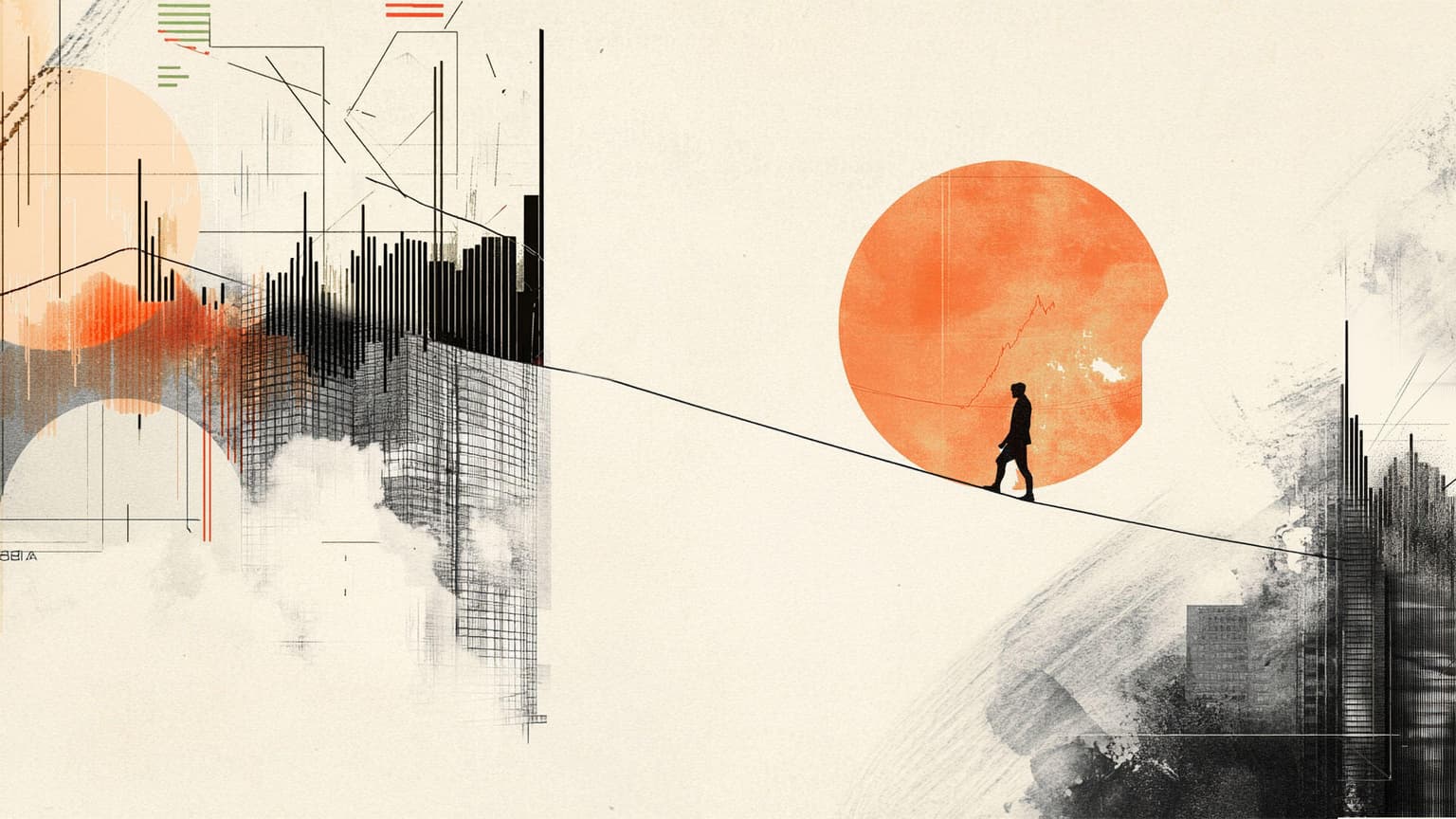
Let’s not kid ourselves this rally is riding on headline hopium, not hard data. It's less a bull market and more a high-wire act strung between policy soundbites and algorithm-chasing optimism. One bad headline, one trade misstep, and the whole thing wobbles. Markets crave a smooth runway but instead, they’re navigating a tarmac littered with political landmines, where tariffs aren’t just tools they’re tripwires disguised as leverage.
We’ve seen this show before. Policymakers don’t act until the flames lick their boots. Betting on a gentle rollback now is like buying the fairy tale ending before the dragon shows up. We’re not gliding we’re grinding. This isn’t a handoff; it’s a handshake with a time bomb in the other pocket.
Sure, the bulls got a hit of that Peace Pipeline fantasy, but until talk turns into treaty, we’re trading on helium and that balloon floats beautifully… right up until it pops.
US drops AI chip shackles
Just when markets were winding down, the closing bell brought one more jolt: the Trump administration torched Biden’s labyrinthine AI chip export rule, calling it what it was bureaucratic overkill dressed up as national security. The red tape was so thick it had become unenforceable, alienating allies and throttling U.S. chip dominance under the guise of control.
Instead, a more pragmatic, pro-growth framework is now in the works one that promises to keep advanced U.S. tech from falling into adversarial hands without handcuffing innovation or hobbling relationships with partners like Taiwan and the G7. It’s not ready for prime time yet, but the signal was loud enough: America’s AI leash just got a whole lot longer.
That shift wasn’t lost on markets. Chip stocks caught a tailwind, and the broader tech complex floated higher into the close. It was less about specifics and more about mood the kind of regulatory U-turn that tells traders, “we’re open for business again,” especially with the Gulf states watching closely and the UAE and Saudi rumored to be first in line for AI partnerships. This wasn’t just a rollback it was a relighting of the fuse on U.S. semiconductor swagger.
Taiwan’s FX quake: The canary in the carry mine
What just happened in Taiwan isn’t just a local squall it might be the opening salvo in a full-blown unwind of the global dollar carry trade. The Taiwan dollar just posted its sharpest rally since 1988, a move so violent it shattered every illusion of calm in the FX markets. While authorities chalked it up to thin liquidity and trader pointed to rumors U.S. trade deal pressure, the truth is far more structural and far more dangerous for the greenback.
Here’s the setup: Taiwan’s insurance giants, sitting on a mountain of domestic savings, spent years funding low and investing high borrowing in TWD and deploying capital into U.S. dollar assets. At one point, they were funneling over $50 billion a year into U.S. credit markets. And like many in the global yield chase, they under-hedged, assuming dollar strength was a one-way street.
The mechanics are the same as the yen carry.
Now the street’s reversing.
As dollar sentiment sours whether due to tariff threats, capital flight, or the administration’s own open hostility to a strong dollar these carry trades are snapping like overstretched rubber bands. Taiwan’s insurers are being forced to raise hedge ratios, which in real terms means dumping dollars in size. And they’re not alone. Across Asia, central banks are scrambling to contain currency appreciation as dollar liquidation picks up pace.
Think of it like this: the dollar used to be the safe, high ground. Now the tide’s going out and we’re finding out just how many were swimming naked. UBS pegs unhedged G10 exposure to U.S. assets at a staggering $13.7 trillion. That’s not just positioning. That’s a powder keg.
Even the HKMA is burning through record reserves to keep its peg intact, while exporters across China are racing to repatriate dollars into yuan. Gold’s Asia-hour bid isn’t just inflation hedging it’s a capital exodus. You don’t run to hard assets unless you think your reserve currency is turning soft.
And here’s the kicker: Trump may want a weaker dollar, but markets don’t handle disorderly devaluations well. There’s a fine line between tactical FX depreciation and an uncontrolled unwind and right now, we’re wobbling on it.
The Taiwan dollar’s rally isn’t a blip. It’s a signal flare. What started as a localized squeeze may be the first crack in the dam of dollar supremacy. And if this carry trade fire spreads, the next chapter in the global FX story might not be about yield or growth it's about escape velocity from a regime the world no longer trusts to stay anchored.
Author
Stephen Innes
SPI Asset Management
With more than 25 years of experience, Stephen has a deep-seated knowledge of G10 and Asian currency markets as well as precious metal and oil markets.