OPEC+: Yet another curveball
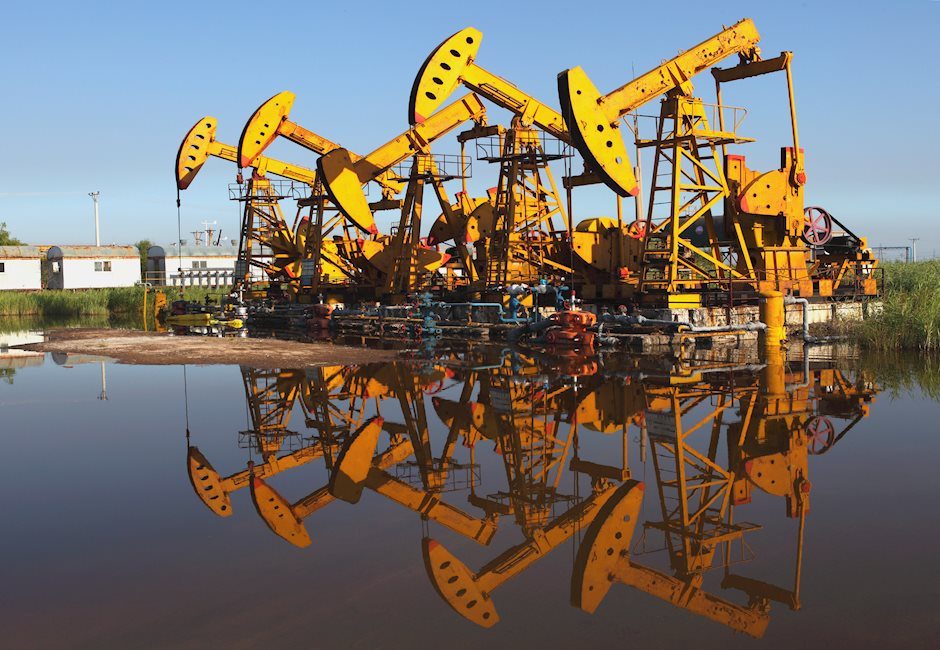

OPEC+ just threw another curveball at oil analysts, delaying its much-anticipated December production boost by a month—a second deferral that speaks volumes about the group’s delicate dance with volatile demand and fragile economic outlooks. Initially slated to add 180,000 barrels a day starting in December, the Saudi and Russian-led coalition is keeping the taps tightened, citing a need to steady prices and recalibrate amid global economic tremors. This strategic decision, revealed on OPEC’s website, underscores just how much the group is feeling the pinch as faltering demand in China and a growing supply wave from the Americas cast a long shadow over the market.
Brent crude has taken a punishing 17% dive over the past four months, hovering around $73 a barrel—far below the comfort zone needed for Saudi Arabia and many other OPEC+ players to cover their government spending. For the second time, global demand dynamics took the upper hand as OPEC+ wrestled with macroeconomic realities centred on weaker oil growth projections out of China and Europe. By pushing back the production hike, they’re also buying time—two months, in fact—for China’s stimulus efforts to trickle down through its energy markets, allowing for a more calculated approach when the eventual supply uptick arrives.
Yet, for all the maneuvering, another production delay may do little more than prompt a short-lived bounce. Many traders anticipated the move, and the bearish momentum could continue to barrel ahead without a global economic revival. Structural changes in China’s electric vehicle sector and a looming supply glut expected in 2025 point toward oil prices possibly drifting into the low $60s by early next year, barring any major geopolitical upheaval involving Iran’s oil infrastructure. But uncertainty reigns, with wildcards like the U.S. election and the ongoing Eastern European conflict adding thick layers of unpredictability to an already tense market landscape. This week, OPEC+ may have pressed the pause button—but the market rollercoaster is far from over.
Author
Stephen Innes
SPI Asset Management
With more than 25 years of experience, Stephen has a deep-seated knowledge of G10 and Asian currency markets as well as precious metal and oil markets.

















