Oil tumbles on OPEC+ decision to accelerate output restoration
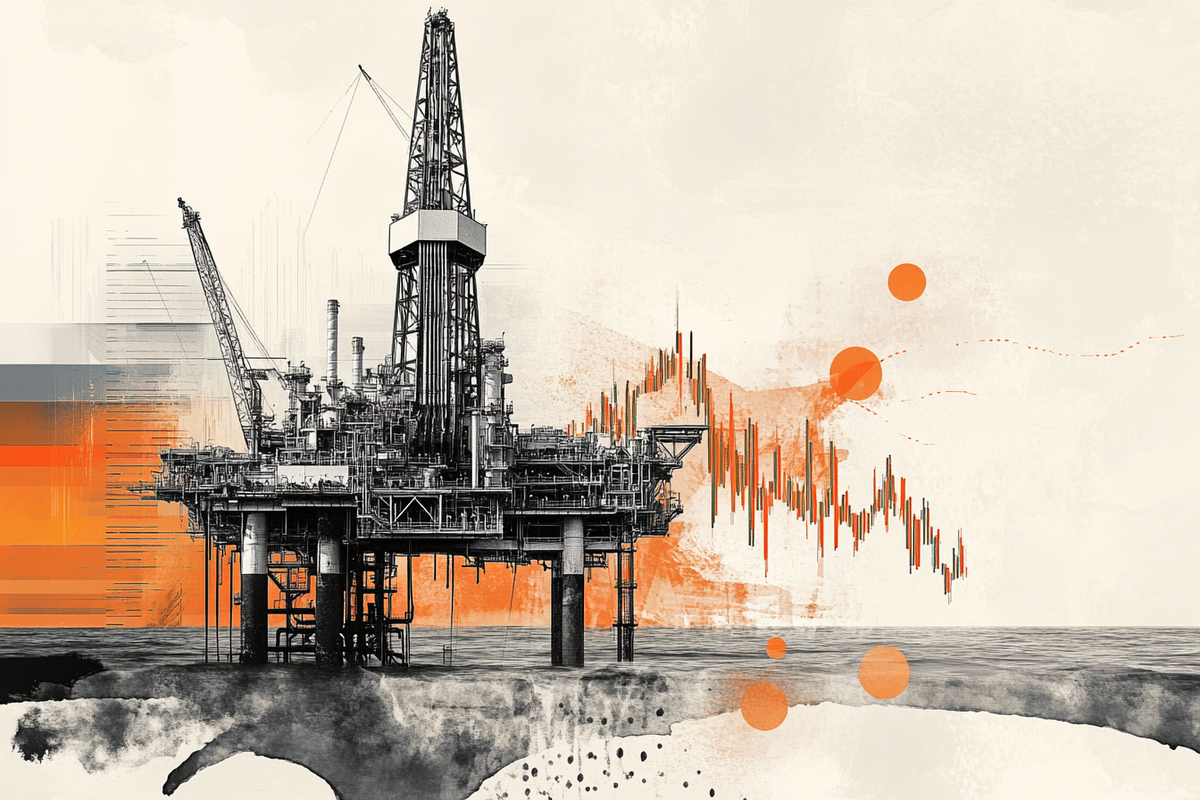

The week begins with a sharp decline in oil prices – around 4% at the time of writing – as OPEC+ announced it would accelerate output restoration by 411K barrels per day, taking the total hike for April, May, and June to nearly 1mbpd, almost half of the 2.2mbpd cuts put in place since October 2022. Since then, OPEC countries have had quotas to limit oil production in order to support prices. The idea was to stabilize oil prices near – and ideally above – the $80pb level.
Now, remember that Saudi Arabia was doing the heavy lifting – cutting an additional 1mbpd at some point – to help the group achieve its goals, while Kazakhstan and Iraq were often accused of not complying fully with their promises. And last week, Saudi Arabia was already hinting that something big was about to happen when it said it was ready to tolerate lower oil prices for a prolonged period. So the weekend news wasn’t a shocker, but the reasons behind the move remain uncertain.
The official communication says the group is bringing barrels back to the market because ‘fundamentals are healthy and inventories are low’. Yet global growth expectations have been crumbling due to a heated trade war between the US and the rest of the world, and rising output only worsens oversupply concerns.
So the real reason must be something else. Some argue Saudi Arabia is punishing OPEC members who showed poor cooperation. Others point to Donald Trump wanting lower oil prices to support his Made-in-US plans and to hurt Russian finances, speeding up the end of the war in Ukraine. Some warn that lower oil prices will do nothing but destroy the US shale industry, which becomes profitable above around $40–50pb. Including capex, land, debt, etc., the breakeven rises to $55–65pb, and for some small companies, fracking costs could reach $70pb – versus just $3–5pb for Saudi Arabia. And remember, around 90% of crude production growth in the last two decades has come from US shale. So that doesn’t align with Trump’s ‘frack frack frack’ energy policy. Meanwhile others wonder whether Saudi is also aiming to push US shale players out of business to increase its market share. We don’t know for sure. The exact motive remains unclear. But the direction of oil prices is clearer than the reasons behind OPEC’s move. If Saudi is ready to dive, oil prices have room to dive further.
US crude tanked to $55.50pb at the open. Brent is down by 3.8%. The bears’ $50pb price target looks easier to reach now than three days ago, and any price rallies will likely offer interesting opportunities to strengthen bearish positions.
PS: Lower oil prices are obviously a straight positive for bringing inflation lower. And last week’s data from the Eurozone showed that any factor helping to tame inflation pressures would be more than welcome, as early reports warned that Eurozone inflation remained unexpectedly steady in April. Core and services inflation – closely watched by the European Central Bank (ECB) – rose, softening dovish ECB expectations.
Still, the combination of falling energy prices, a stronger euro, ECB support, and higher government spending continues to support the view that euro area growth will probably pick up more momentum.
Across the Channel, the Bank of England (BoE) is preparing to announce a 25bp cut when it meets this week due to tariff uncertainties. The British 2-year gilt yield fell more than 35bp since April 2nd – when Trump revealed his mind-blowing tariff rates. The UK is hit by only a 10% tariff, but that’s enough to weigh on growth. However, the strong sterling and expectations that the US tariff war will be disinflationary for Europe and the UK (if nothing due to stronger currencies and Chinese redirecting products to Europe) and give the BoE and the ECB room to cut more than they otherwise would this year.
In the US, the Federal Reserve (Fed) doves are much less optimistic about any imminent rate cut. Chair Powell has made it clear in recent weeks that the inflation trajectory remains highly uncertain due to tariff policy, pushing the Fed to be cautious. Some Fed members seem more open to action, but any move must be driven by data.
Speaking of which, Friday’s jobs data came in mixed. The headline NFP figure beat expectations, and wage growth slowed more than expected – both positives. But the previous two months’ data were revised down by a combined 58K. The unemployment rate remained steady near 4.2%, while the participation rate rose, hinting that more Americans are looking for work. It’s too early to see the full impact of tariffs on the US job market, but it will likely be negative – which supports a dovish Fed policy, to the extent inflation allows.
The next CPI update is due next week. Until then, the Fed will remain in focus, as it is expected to announce no change to its policy this week. But June expectations could change.
The US dollar kicks off the week on a bearish note. Asian currencies are soaring against the broadly weaker greenback, forcing authorities in Hong Kong to step in and buy dollars to protect the USDHKD peg.
Remember, last week was marked by softer trade news. Trump toned down his rhetoric, and there are reports that China is ready to resume talks. The week starts with news that the US will impose 100% tariffs on foreign films. Potential escalation could bring the S&P 500’s 9-day winning streak – its longest since November 2004 – to an end. Futures point to a downside correction at the start of the week.
Author
Ipek Ozkardeskaya
Swissquote Bank Ltd
Ipek Ozkardeskaya began her financial career in 2010 in the structured products desk of the Swiss Banque Cantonale Vaudoise. She worked in HSBC Private Bank in Geneva in relation to high and ultra-high-net-worth clients.

















