Oil deflates, the Dollar dips, and risk trades reawaken as Hawks turn dove

A Hawkish Turncoat is Now the Risk-On Trade’s Best Friend.
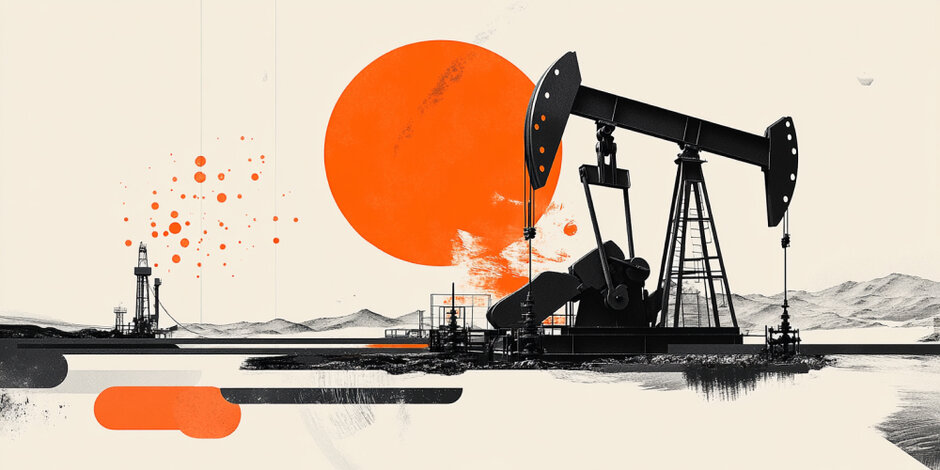
The Middle East may still be smouldering, but as far as markets are concerned, the fire alarm has been shut off. Oil prices, once torchbearers of geopolitical panic, are now the poster child for mean reversion. Brent has collapsed more than 15% from its Monday highs, settling back into the low $70s—and briefly plunging into the $68 handle—as President Trump’s “complete and total” ceasefire between Israel and Iran capped off what now feels like a geopolitical false start.
Iran’s retaliation—telegraphed, coordinated, and designed more for domestic optics than battlefield impact—wasn’t just a non-event; it was practically a memo to markets: this stops here. No damaged infrastructure. No closed Strait. No oil shock. The result? The war premium has not just been priced out—it’s been torched.
Crude, once the dollar’s co-pilot and macro lodestar, is now dragging the greenback down with it. As oil unwinds, the dollar has lost one of its key defensive anchors. But it’s not just crude weakness hitting the buck—it’s the chorus of Fed doves that’s starting to sound like a flock. The real market accelerant came when Vice Chair Michelle Bowman, a card-carrying hawk, floated the possibility of rate cuts as early as July. Add that to Waller’s pivot and Goolsbee’s openness, and suddenly what was once the Fed’s iron dome now looks like Swiss cheese.
Dollar shorts are back with conviction. Risk assets are re-engaging. Asian equities are breathing easy. Treasury yields are on the back foot, and the dollar’s softness is not only a function of rate speculation—it’s a referendum on Fed credibility and independence. Powell’s testimony today could either pour gasoline on the dollar’s slide or offer a firebreak—but either way, traders are positioning for volatility, not stability.
With oil's geopolitical tailwind deflated and macro focus shifting to the Fed’s next move, the battlefield has moved from Hormuz to Capitol Hill and the Eccles Building. Markets have recalibrated: less fear, more flows. The risk-off impulse is gone. A hawkish turncoat is now the risk-on trade’s best friend.
Peace broke oil. A Dovish hawk broke the dollar. And now, risk assets are back on the march.
EUR Watch: Dollar Weakness Is Doing the Heavy Lifting, Not Europe
The euro isn’t rallying because Europe is suddenly firing on all cylinders—it’s rallying because the dollar is losing altitude. EUR/USD is flirting with 1.1630, not on the back of any domestic renaissance, but because traders are torching greenback longs due to collapsing oil, Fed hawks in revolt, and a market that senses policy paralysis in Washington.
Eurozone PMIs were textbook “not bad enough to scare you, not good enough to cheer”—a soft landing in sentiment that still smells like stagnation. The German IFO reading later today will likely round out that picture: stable, sluggish, and still pointing sideways. That’s not the stuff that fuels a sustainable FX breakout.
But the euro doesn’t need a eurozone miracle right now. It just needs the dollar to keep tripping over its own shoes. With oil plunging and the Fed’s hawks moulting in public—Bowman now calling for July cuts—the macro landscape is tilted in favour of any currency that isn’t the buck. And that’s the euro’s edge: it’s not great, it’s just not the dollar.
Oil’s retreat is also playing into the euro’s hands. With Brent down hard, the energy terms-of-trade drag is easing. Inflation expectations tied to import costs are moderating, and the narrative that the eurozone’s fundamentals are crumbling under commodity stress is losing steam.
However, let’s be clear: the single currency is riding a momentum wave, not based on genuine conviction. It’s a beta trade to dollar weakness, not a macro rotation into Europe. A break above 1.1630 could happen if Powell leans dovish in his testimony today, but chasing EUR/USD much higher without fresh legs from eurozone data feels like buying the top of someone else’s trade.
Until we see actual upside surprises out of Europe—growth, inflation, or policy dynamics—it’s hard to believe this bid can run unchecked. For now, the euro’s doing just fine playing the anti-dollar. But at some point, it’s going to need its own story.
Author
Stephen Innes
SPI Asset Management
With more than 25 years of experience, Stephen has a deep-seated knowledge of G10 and Asian currency markets as well as precious metal and oil markets.