November labor market report is unlikely to make the Bank of England happy
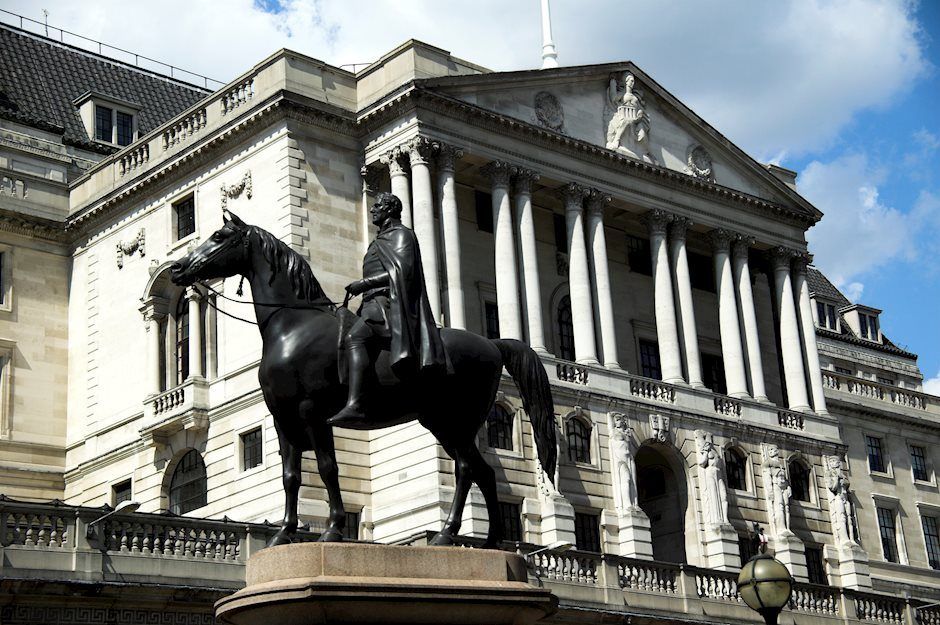

The summary of the key points of November Labor Market report from the Office for National Statistics is unlikely to make nine policymakers sitting in the Monetary Policy Committee (MPC) of the Bank of England happy. Neither is the report likely to sway their opinion that current labor market tightness is still not enough to generate pressure to push the average earning higher.
This is particularly true in my view of MPC remaining extremely dovish for longer with the interest rate stability set to continue for at least first half of 2018.
What did November labor market report say?
- The number of unemployed people seeking benefits rose 5.9K in November, up from 3.2K expected by the market.
- The unemployment rate remained unchanged at 4.3% in three months to October, up from 4.2% expected by the market, but still the lowest level since 1975.
- The average earnings excluding bonuses rose 2.3% y/y in three months to October, up from 2.2% y/y rise expected by the market.
November Labor market report in the UK saw all three major component coming up higher than expected. Unfortunately, both numbers of claimant counts and the unemployment rate are both Sterling and monetary policy negative. The general message is that the number of people in work and the number of unemployed people in the UK fell in August to October 2017 period, but the number of people aged from 16 to 64 not working and not seeking or available to work increased.
Labor market vs inflation
The most important issue for the Bank of England is the real purchasing power development. This is where policymakers are seeking trend in both nominal wage development and most importantly inflation development as the inflation rate is the legislatively binding task for the Bank of England.
With inflation jumping up to 3.1% in November and nominal wages rising merely 2.3%, the picture of real, inflation-adjusted wages being squeezed into negative does not alter with November labor market report. Therefore it is unlikely for MPC to strike any sweeter tone while commenting on the economic development in the Minutes from the Bank of England meeting tomorrow at noon.
Author
Mario Blascak, PhD
Independent Analyst
Dr. Mário Blaščák worked in professional finance and banking for 15 years before moving to journalism. While working for Austrian and German banks, he specialized in covering markets and macroeconomics.