North Korea’s Nuclear Gambit: Should we be concerned?
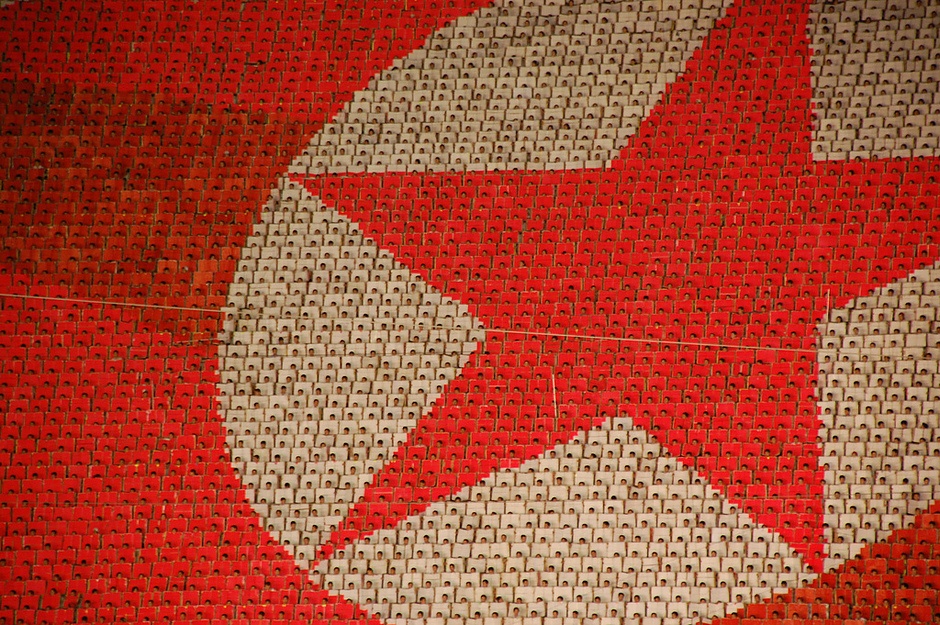

Last Sunday, North Korea detonated a sixth nuclear weapon, ramping up regional tensions even higher than they were a week ago, when the hermit nation fired a medium-range missile across the proverbial bow of Japan. The first question burning in the minds of many observers is ‘what is North Korea’s gambit?’ and ‘what are they trying to achieve by their belligerent behaviour?’. Surely, this must be a calculated risk to achieve a goal. Analysts have thrown up several theories. They are:
- North Korea no doubt feels isolated and vulnerable, especially after the UN security resolutions increasing sanctions of the dictatorship last year. Specifically, Kim Jong Un’s behaviour is analogous to the aggressive bark of a fearful dog as if to demonstrate, that any invasion will be met with an aggressive and devastating response. North Korean generals probably really do believe their country is threatened. Additionally, being vulnerable and witnessing the regime downfalls of Libya, Iraq, Egypt and other countries led by militaristic strongmen, Kim Jong Un, perhaps feels that by obtaining the nuclear option, he creates an extreme deterrent and increases the strength of his own rule domestically.
- By conducting nuclear and missile tests and acting threateningly, North Korea increases its bargaining power at the negotiation table should they show a willingness to sit and talk. The prospect of reducing regional tension and pressure is a chip on the table. This strategy has proven to work in the past. Pyongyang is demonstrating its willingness to take risks as a way to keep pushing its demands forcefully onto the global agenda. A poor harvest will add further heat to the situation.
- A heavy economically sanctioned regime, North Korea wishes to sell missile and nuclear technology to other countries in the non-aligned movement. By proving their missile and nuclear technology, it becomes an easier product to sell. These kinds of military weapons are valuable and highly desired in a world littered with unstable military regimes.
Should we be worried? In short, yes. This is turning into a showdown between Kim Jong Un and Donald Trump; two of the most dangerous, firebrand and unpredictable leaders in the world. One small misstep from either of these leaders with cult personalities, could easily lead to tensions reaching boiling point.
Following the nuclear test on Sunday, how will markets respond this week?
Safe-haven assets such as the CHF will rise in value dramatically as we have seen recently following North Korean missile tests. Interestingly, despite Japan’s proximity to North Korea, we have also seen the yen rise in value as Japanese investors repatriate funds. Gold and other precious metals will also be more attractive.
On Monday, risk-off assets will fall. This includes currencies like the New Zealand dollar and emerging economy currencies such as the Turkish Lira. Assets such as US stocks are also likely to fall heavily, possibly by more than 1%. We have seen this occur even as the world is becoming increasingly insensitive to Korean anxieties. On Monday, stocks will fall even further than normal because a nuclear test may be seen as a misstep by Kim Jung Un in an environment of heightened enmities. This week may see money taken off the table and profits booked, asset corrections may be seen across the board.
Author
Adinah Brown
Leverate

















