New York open: Over ease
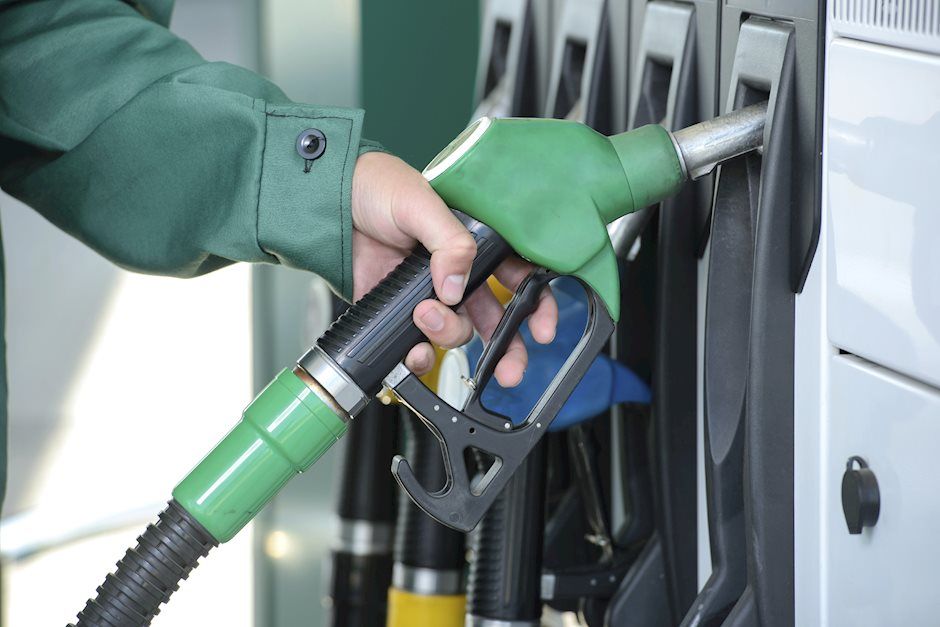

Oil and Asia FX have the most to gain as headwinds fade.
One of the biggest puzzles through this entire mess is the resilience in US equities, and I think this suggests that money managers expect the Fed not only to ease to potentially over ease.
So far, the markets have primarily treated the recent events as a surgical strike on a cohort of bank-related stocks. So, if the impact on economy-wide growth is relatively modest, we think Oil and Asia FX has the most to gain as headwinds fade.
Financial contagion risk did not morph into demand contagion risk in oil markets. Still, it was perfectly understandable why oil traders drew a straight line from the oil market meltdown to the 2008 GFC. After all, the markets witnessed the most prominent bank collapse since 2008 and the quickest and most significant repricing of a Fed curve ever. The magnitude of the shock sent tremors across all pro-cyclical markets where oil was targeted, as it always is during any apparent macro meltdown.
We initially thought oil would hold up at the $ 73.50 -74.50 zone last Friday, but the cross-asset contagion was clearly underway when the VAR shock sent gold +2000.
Through the recent bout of macro volatility, oil, as always, was an underperformer as a combination of hedge funds selling amid worries about a US slowdown coalesced into a probable "negative gamma "event when a producer exercised a chunky option.
But the market's most considerable risk right now is tighter credit, which could negatively influence global oil demand. But, outside of a major global banking crisis, we see a relatively limited impact on supply or demand.
As markets stand right now, our bullish play is for OPEC to stay the course and with the weaker dollar allowing better China fundamentals to shine through; finally, we are on the same page with Goldman Sachs in that we now think we could enter a small global oil deficit as soon as June.
Author
Stephen Innes
SPI Asset Management
With more than 25 years of experience, Stephen has a deep-seated knowledge of G10 and Asian currency markets as well as precious metal and oil markets.

















