New highs for stocks as confidence returns

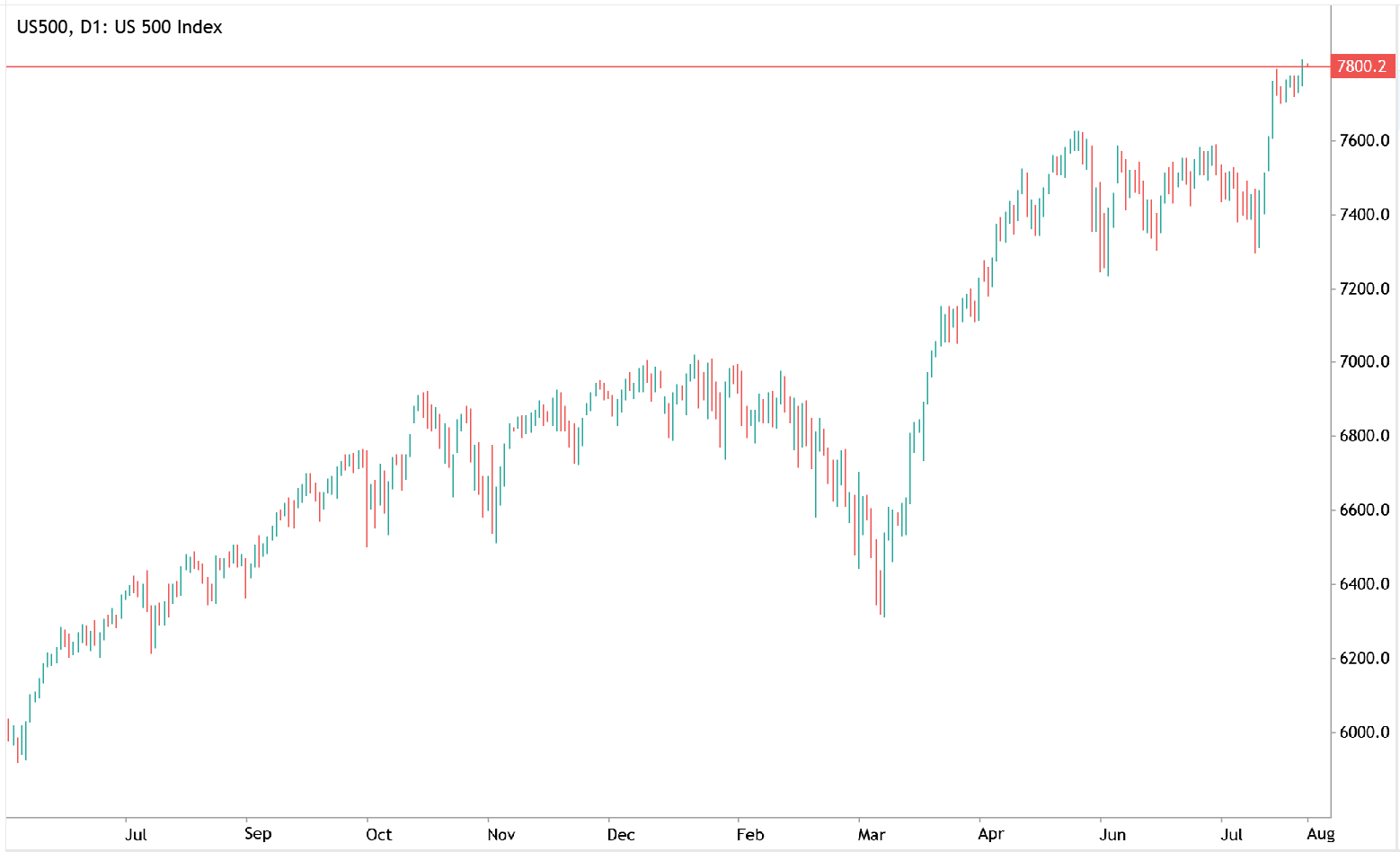
Soft PPI and CPI readings in the US, on top of renewed confidence in AI trades, have helped the S&P 500 to fresh all-time highs this week. Gold has taken a breath and pulled back a touch, following its strong run of late. Crude (USOIL) is around 4% higher on the week, back up through $80 as negotiations drag on, albeit in a changed manner, in the Middle East. Intervention in Japanese currency markets is back on the radar, as USDJPY continues to recover from the MOF’s most recent supporting efforts. Read on for more details and a preview of what will move markets next week.
Hike odds down but conflicts remain
A second gentle inflation number in a row has boosted market confidence that the Fed will keep rates on hold for now. And while a resolution is yet to be reached between the US and Iran over the Strait of Hormuz, relatively stable oil markets in the past few weeks have also played their part in supporting equities and reducing fears of an imminent hike. Implied odds of the Fed acting in September are now under 40%.
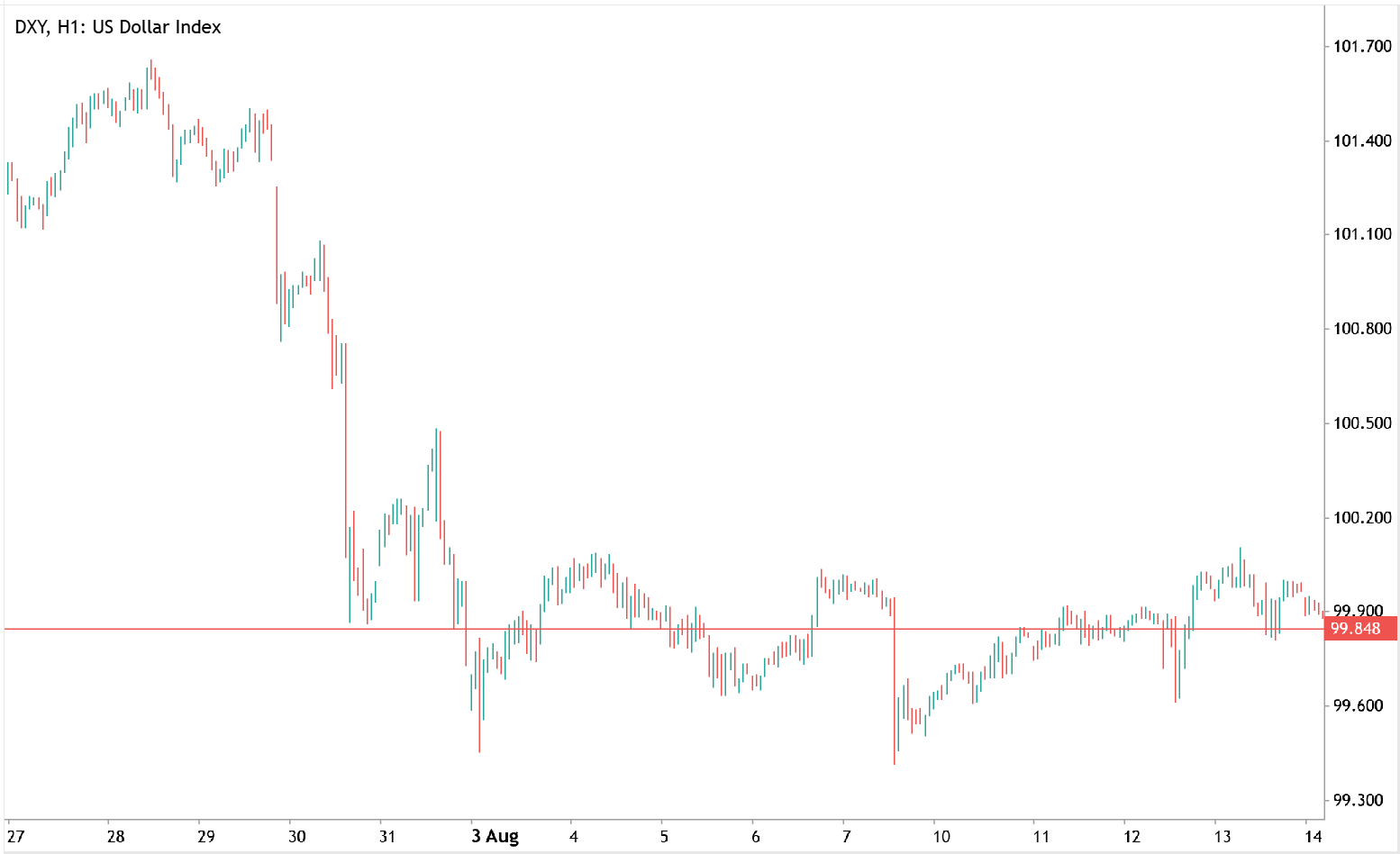
Nonetheless, despite a round of dovish signals, strong dissenting voices remain steadfast in their view that rates must be raised sooner. Federal Reserve Bank of Cleveland President Beth Hammack, who voted to hike by 25 basis points last month, this week reiterated that "we need to act now". She outlined that despite lower readings in recent months, the only sure way "to bring us back down to that 2% number" is through higher interest rates. Thus regardless of how soft the data prints are between now and the next FOMC meeting, it is odds-on to be another split vote.
Metals take a breath
While equity markets have continued to recover and then some, gold has pulled back in the second half of the week. After dipping below $4,000, gold's rise in recent weeks has been close to parabolic. Rate hike expectations have faded, and central banks, most notably China's, have resumed their purchasing. Earlier in the week, it broke above its 100-day moving average for the first time since April. Come Thursday it had reached a 10-week high. The rally stalled there however. Is this simply a case of profit-taking after a strong run and breakout from a long-term trend? Or has the rally met genuine resistance at key technical levels, with metals set to slide further from here?
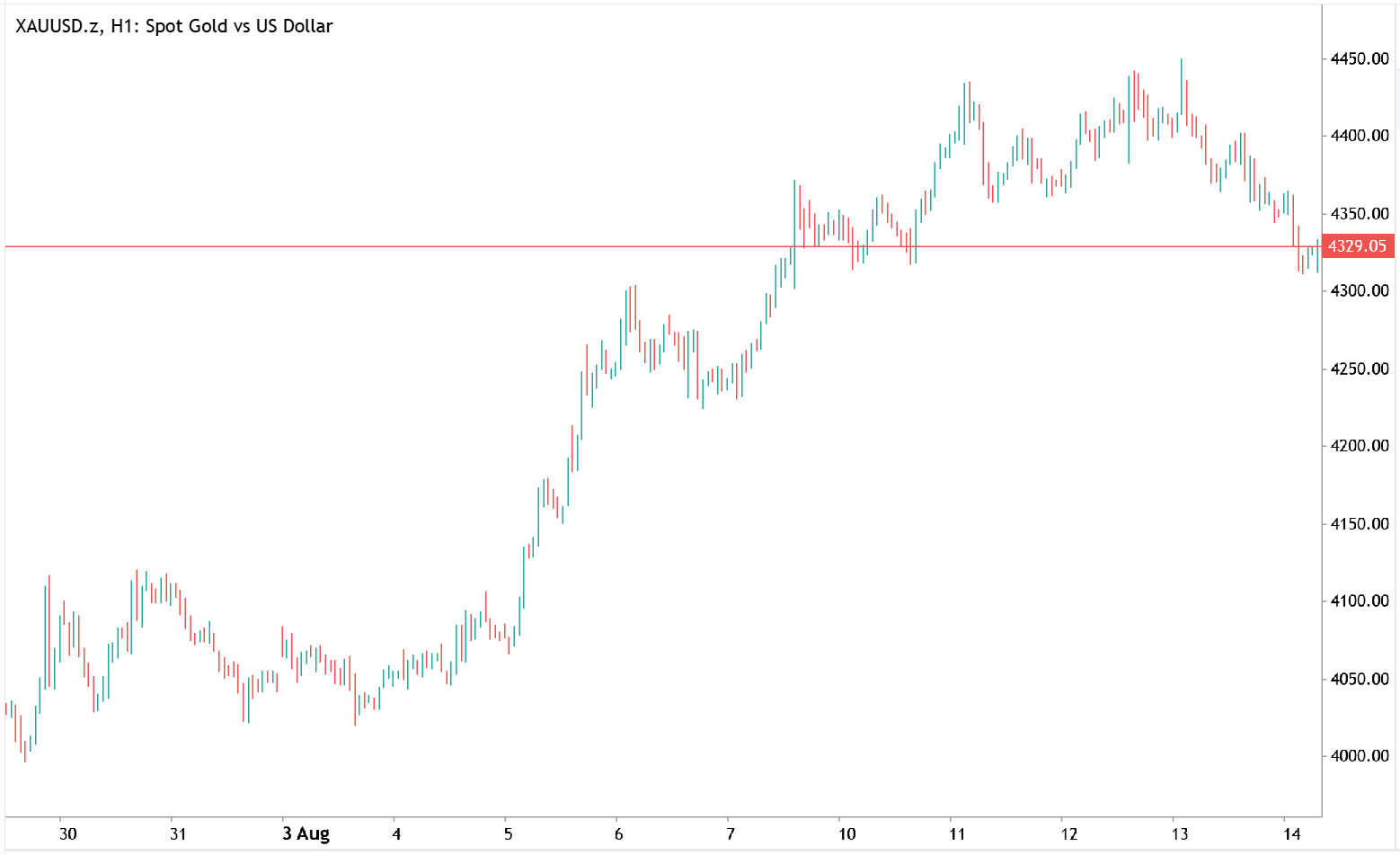
Developments in the Middle East over the coming weekend will be key in finding renewed support for precious metal markets, or otherwise. It appears that the next set of actions carried out by the US will be of an economic nature, rather than military. While the blockade of Iran's ports is set to continue, Treasury Secretary Scott Bessent has warmed that they will next week announce "measures like have never been seen in the history of economic isolation on a country". Meanwhile Iran appears to have shifted its focus towards negotiating with neighbours, rather than the US. For example a pact with Oman over a shipping route is said to be very close.
Next week
Australia's employment numbers will be an important factor in cash rate forecasts. After a surprise to the upside last month, it is expected to be reported that 10k jobs were added in July, with the unemployment rate set to remain at 4.4%. Japanese CPI readings will be key in determining the likelihood that the BOJ will hike in October or even September.
The backend of US earnings season rolls on. Highlights next week include Baidu, Home Depot and Walmart. Nvidia's quarterly release is scheduled for 26 August in the post-market session, one to mark on your calendars. Go well out there.
Author

Scott Redford
Fintrix Markets
Through his 14 years in the industry, Scott has managed risk for a number of the world's biggest brokers, including IG and Pepperstone.

















