Melbourne, Australia re-enters a six-week lock down
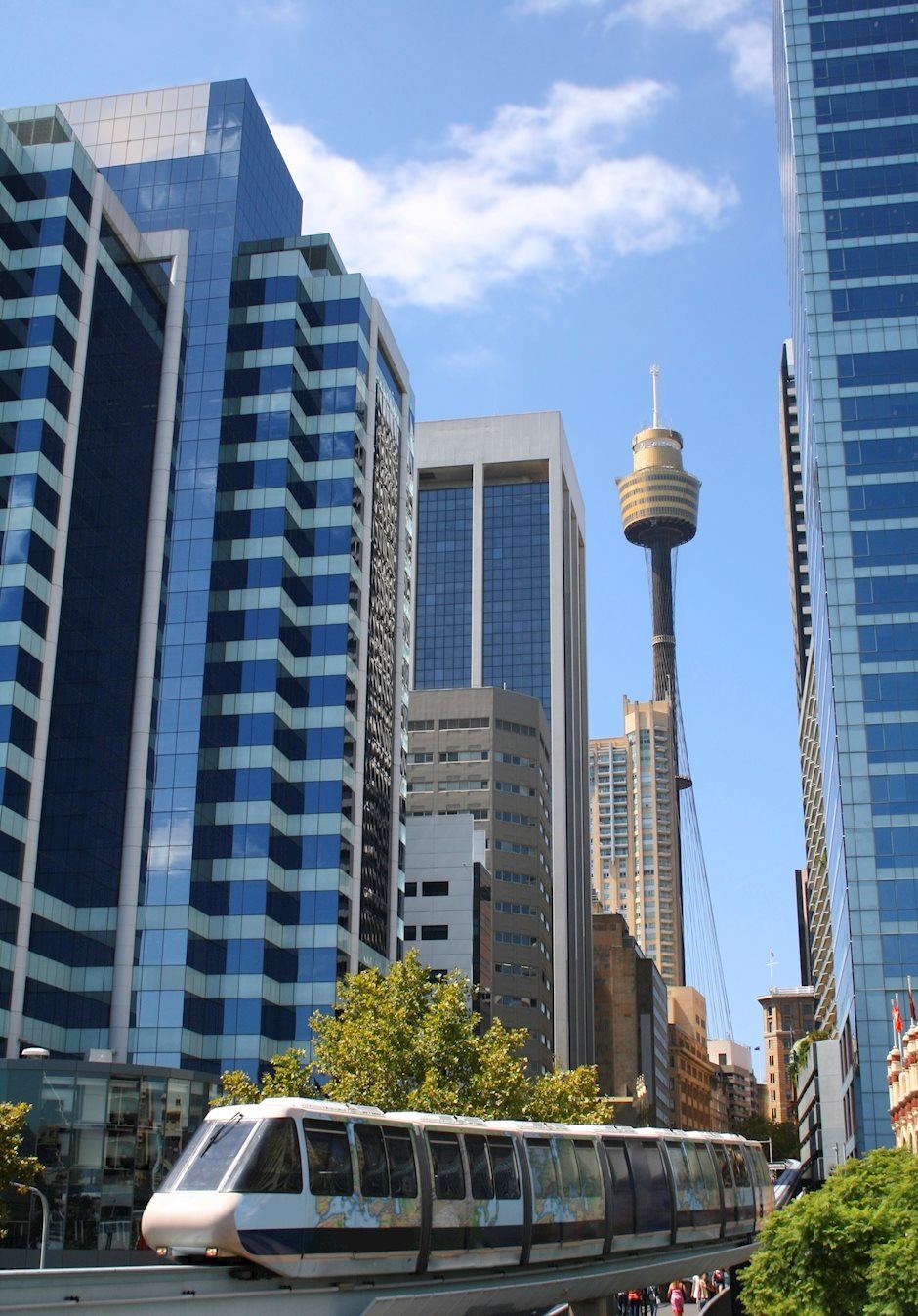

Melbourne, a major city in Victoria, Australia, has forced residents to re enter a six-week lockdown. This is after the major city reported 191 new cases of the novel Coronavirus, with double-digit case growth in the past couple of days.

Melbourne’s cases have reached “unacceptable” levels, prompting lockdown
Daniel Andrews, Premier for Victoria, stated that the new restrictions were due to the “unacceptably” high number of cases. Furthermore, he also stated that “it is simply impossible, with case rates at these levels to have enough contract tracing staff to have enough physical resources to suppress and contain the virus without taking significant steps” Furthermore, Chief Health Officer Brett Sutton stated that there was a “unanimous view” on the increase in restrictions in Melbourne. Victoria has also imposed to close off the NSW-Victoria border, with over 1,000 soldiers and police officers making their way to reinforce the border.
It is stated that a partial reason to why there has been a resurgence of cases in the state of Victoria and Melbourne in particular, is due to their opting of contracting security firms to regulate the quarantine. In comparison, this is opposed to enlisting the police force like many states in Australia and countries around the world. There have allegedly been security lapses with security guards sleeping with guests hotel guests who were staying due to a mandatory quarantine after arrival into the country.
Melbourne’s second lockdown may be detrimental to Australia’s recovery
Melbourne and its second lockdown comes back to bite critics who saw New Zealand’s lockdown overly strict in comparison to Australia, touting that Australia has been achieving similar results with fewer restrictions on their citizens. ACT party leader, David Seymour in April that Australians are being “treated like adults” by their Government and are achieving “better results.” Furthermore, he stated that “Australia appears to have its cake and eating it too, as it achieves better COVID-19 health outcomes than New Zealand with fewer restrictions on economic activity.”

Coronavirus Cases in Australia and New Zealand. Australia in red on the right axis, New Zealand in blue on the left axis.
However, as time has shown, New Zealand’s stricter approach has paid better dividends even with the higher initial economic cost. IBISWorld has stated that “the overall recovery of the Australian economy is expected to be significantly hindered by the second lockdown.” The state of Victoria contributed 24% of Australia’s GDP in 2019. The ASX and AUD are down 0.89% and 0.14% on the lockdown news, respectively.
-637297507848612869.png&w=1536&q=95)
ASX and AUD down in the past two days
We can see that the Coronavirus continues to grapple the world economically and politically. Brazilian President Jair Bolsonaro saw the Coronavirus as the “little flu” and frowned upon social distancing measures, stating, “we’ll all die one day.” He has now tested positive for the Coronavirus. He would be the second head of Government to test positive for the novel Coronavirus, with Prime Minister Boris Johnson having contracted Coronavirus earlier this year. Furthermore, with no formal Coronavirus plan, President Donald Trump administration grappled with re-opening the US economy amongst an election in September. Jacdina Adern has faced major criticism over lapses in security regarding mandatory quarantine and increases in taxes amongst significant government borrowings.
A vaccine for the Coronavirus would be required to provide stability in the economy, as countries with relatively successful Coronavirus plans are still struggling with the effects and aftermath of the virus.
Author
Kyle Quindo
Blackbull Markets Limited
Kyle is a Research Analyst with BlackBull Markets in New Zealand. He writes articles on topical events and financial news, with a particular interest in commodities and long term investing.

















