Markets trade a peace dividend while AI builds a debt fueled empire
- Markets are aggressively pricing a peace dividend across oil, bonds, and currencies despite major unresolved geopolitical fault lines.
- The AI spending boom continues to overpower traditional macro concerns as semiconductor and cloud demand reach historic extremes.
- Gold is benefiting not only from lower dollar pressure but also from reduced fears of forced emerging market reserve liquidation.
- Oil traders remain deeply nervous beneath the surface as negotiations still contain several unresolved red lines.
- The market is increasingly vulnerable to disappointment because positioning now heavily assumes a successful Iran agreement.
Markets trade a peace dividend
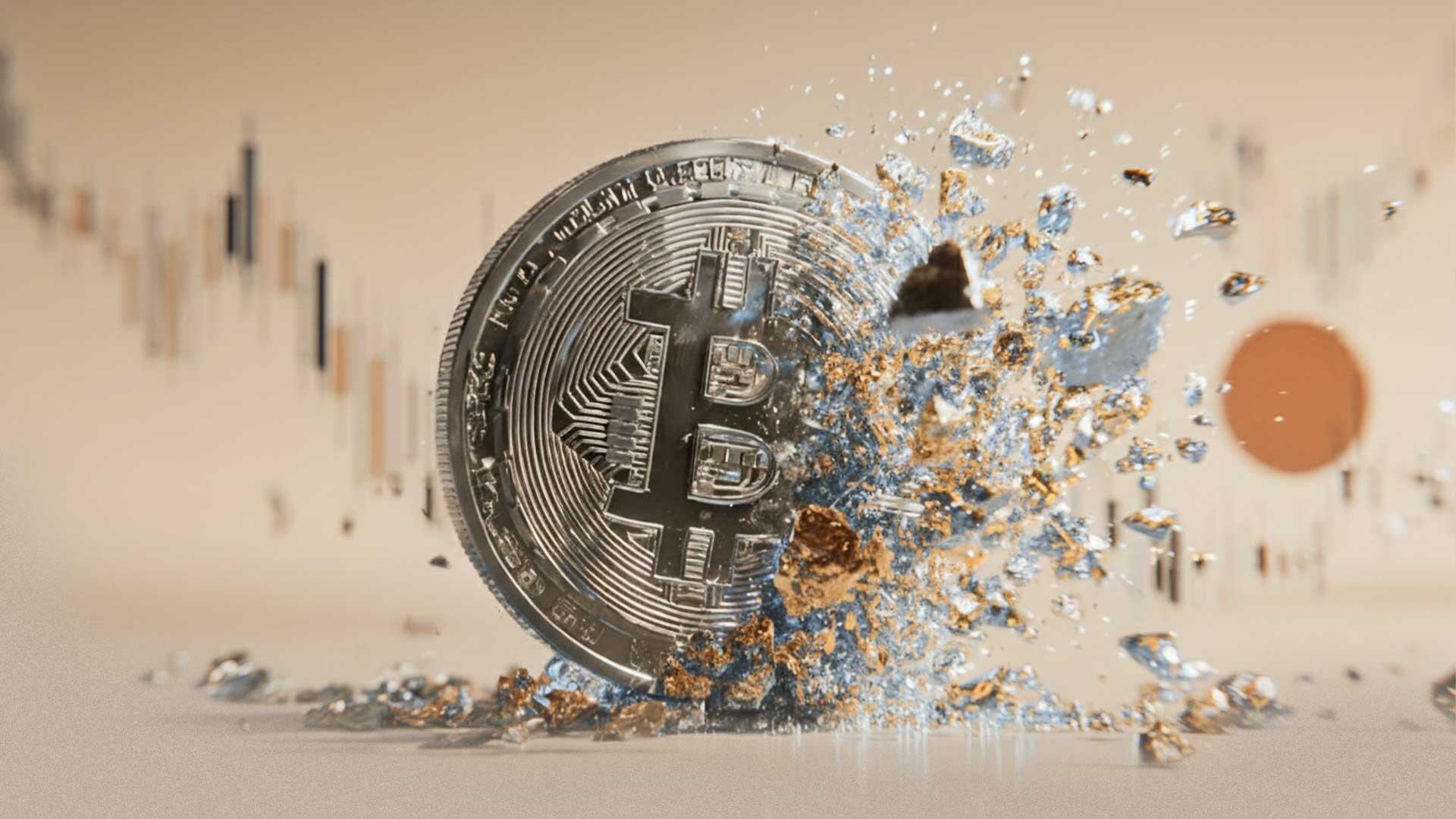
The market traded like a casino where the fire alarm suddenly stopped ringing just as the champagne carts rolled back onto the floor. The S&P 500 and the Nasdaq Composite surged to fresh all-time highs, but truth be told, this was not merely an American rally. It was a full-blown global melt-up as traders aggressively embraced the idea that the Iran war may finally be shifting from missile trajectories to negotiation tables, while the AI frenzy simultaneously poured jet fuel onto the risk rally. The result was one of those rare sessions where nearly every macro domino fell in perfect sequence. Oil collapsed, bonds rallied, the dollar sank, gold exploded higher, and the broader equity tape, led by the Dow Jones Industrial Average, traded as though stagflation risk had just been escorted out the emergency exit by security.
What began overnight as a straightforward peace-dividend bounce quickly morphed into a full-blown performance chase after AMD delivered another beat-and-raise quarter, effectively confirming the AI spending machine is still running at maximum voltage. AMD and SMCI became the market’s lead racehorses as traders doubled down on the idea that the data center arms race remains nowhere near peaking. Then came the broader acceleration. Samsung rose 14 percent and joined the trillion-dollar market-cap club alongside TSMC, becoming only the second Asian company to cross that threshold. The message from the tape was unmistakable. The market no longer sees AI as a sector. It sees it as the entire electrical grid powering modern equity valuation.
And the spending numbers now entering the market narrative feel almost surreal. Reports suggesting Anthropic could spend $200 billion on Google cloud infrastructure and chips sent another shockwave through the semiconductor complex. Even more astonishing, estimates now suggest that roughly half of the combined $2 trillion cloud order backlog among Google, Microsoft, Oracle, and Amazon may come from just two customers: Anthropic and OpenAI. The market used to joke about banks being too big to fail. Now it is beginning to wonder whether AI demand itself has become too large to question. The entire equity complex increasingly resembles a skyscraper being built upward by companies using each other’s balance sheets as scaffolding.
Meanwhile, the geopolitical backdrop handed risk assets the oxygen they desperately wanted. President Donald Trump’s decision to pause Project Freedom in anticipation of a possible Iran agreement effectively triggered a massive unwind of wartime premium across oil and the dollar. Crude initially collapsed as traders rushed to strip out the fear premium embedded during weeks of escalating tensions around the Strait of Hormuz. Bonds immediately caught a bid as falling oil prices eased inflation fears, while gold surged for an entirely different reason. The market suddenly realized that if a durable agreement emerges, emerging-market central banks may no longer need to liquidate portions of their gold reserves to fund emergency energy imports or defend their currencies against another oil-shock spiral. Gold was no longer simply trading as a war hedge. It was trading as the release valve for a collapsing inflation panic.
The dollar, meanwhile, sank back toward pre-war levels as lower oil prices, softer rate-hike expectations, and another round of suspected Bank of Japan intervention combined into a perfect storm against the greenback. Treasury yields drifted lower as the market aggressively pared back fears that the Federal Reserve would need to stay hawkish into another oil-driven inflation surge. In many ways, the market spent the entire session trading like a battlefield suddenly transformed into a banquet hall, with a full smorgasbord of risk-taking laid out across the table.
Yet beneath the celebration, the oil market itself remains deeply uneasy. The intraday price action perfectly captured the emotional instability of this tape. Overnight, crude collapsed on hopes of an imminent agreement. Then, Iranian officials poured cold water on the optimism by calling portions of the framework unrealistic, while Trump simultaneously threatened renewed bombing if talks fail. Oil immediately ripped back off the lows before eventually spending most of the session trapped in a nervous sideways drift, like a trader pacing outside a courtroom waiting for the verdict to arrive.
And this is precisely where the market may be getting dangerously complacent. We have walked down this diplomatic corridor before. The current framework sounds remarkably similar to negotiations that circulated in Pakistan back in April, when discussions centred on uranium enrichment bans ranging from five to twenty years, depending on which side of the table was speaking. Those talks ultimately collapsed after Iran refused to fully surrender its enrichment capabilities and sought to maintain strategic influence over the Strait of Hormuz. Those same fault lines still appear very much alive today.
Acknowledged, there is clearly some extremely hard bargaining taking place behind the curtain. But beneath the market’s growing optimism sits an uncomfortable realization that Tehran may genuinely have two red lines it refuses to cross. The first is surrendering long-term enrichment capability. The second is fully relinquishing strategic leverage over the Strait of Hormuz. If those positions remain immovable, and negotiations fracture under the weight of those demands, the risk of a kinetic rekindling rises sharply. Washington clearly does not want to walk back into that furnace. “Epic Fury” may officially be over, but the smoke is still rising from the battlefield, and the ammunition has not been taken off the table. At some point, something has to give, because this market is currently pricing diplomacy like a signed contract when in reality it still resembles a hostage negotiation conducted under flickering fluorescent lights.
That is the uncomfortable truth hiding beneath the current cross-asset relief rally and broadening stock market relief. The market is trading on the assumption that neither Washington nor Tehran truly wants a continuation of the war because prolonged instability serves neither side economically or politically. That logic is understandable. But diplomacy becomes extremely fragile when both parties possess red lines they genuinely refuse to cross.
If you have been reading my blog, you already know where I have stood on this from the very beginning. China may ultimately become the quiet hand that shapes the final outcome. While Beijing undoubtedly enjoys watching Washington tied into geopolitical knots, it has little interest in allowing prolonged instability across global energy arteries at a moment when its own economic recovery still feels fragile beneath the surface. The broader Global South likely shares that view. De-escalation benefits almost everyone outside the direct participants on the battlefield. That external pressure may ultimately become the gravitational force that drags both sides toward compromise. China exerts enormous political leverage over Tehran, and when President Xi Jinping speaks, even the IRGC listens carefully.
Still, the market may be underestimating the danger of the 48-hour vacuum between now and the Friday deadline. Traders are effectively pricing in success before the signatures are dry. That leaves very little room for disappointment. If negotiations fail, or even stall materially, the risk of another violent re-ratcheting higher in oil and rates remains very real. The market currently sees the reopening of the Strait of Hormuz as the only outcome worth pricing. But geopolitical negotiations are rarely clean, linear exercises. They are more often hostage exchanges conducted under fluorescent lighting, with everyone pretending they still hold leverage.
For now, though, the market does not care about the quality of the peace. It simply wants the guns to remain silent and for the AI servers to keep humming, the oil tankers moving, and the liquidity party alive. That is why stocks continue to climb even as the foundations beneath the rally remain remarkably unsure. The tape has become addicted to the idea of diplomacy. Whether that proves sustainable or merely the latest beautifully wrapped illusion is a question the market may soon be forced to answer.
"Fool me once, shame on you; fool me twice, shame on me."
Author

Stephen Innes
SPI Asset Management
With more than 25 years of experience, Stephen has a deep-seated knowledge of G10 and Asian currency markets as well as precious metal and oil markets.