Markets look to US inflation
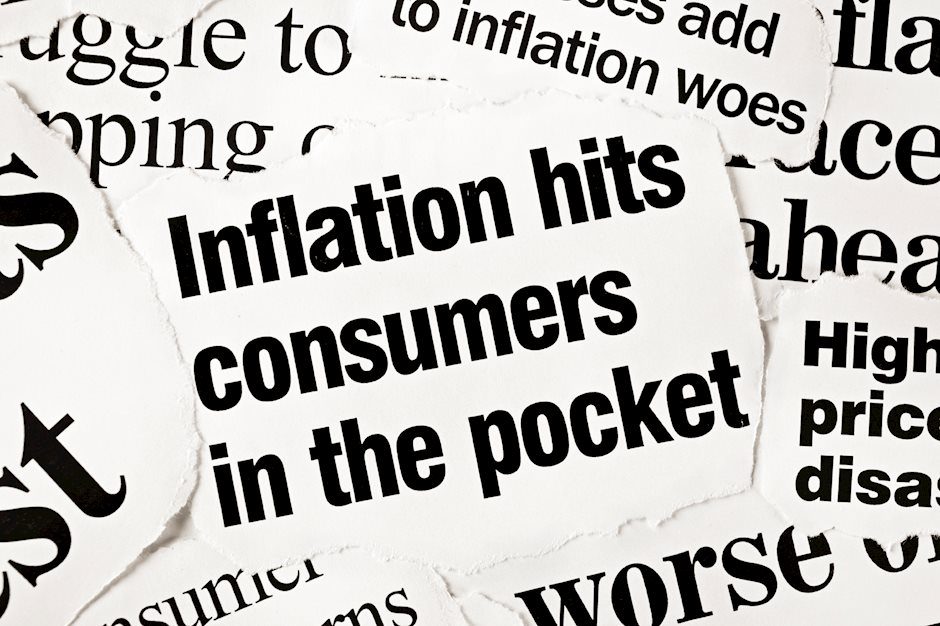

While US inflation does not trigger any particular interest among European consumers, it is the decisive indicator for global capital markets. This is because the further course of the US Fed, and thus the development of interest rates in the US, depends on the inflation trend. The great importance of US inflation was confirmed again this week. The inflation rate for July came in below market expectations and triggered significant price rises on the stock markets, as this mitigated the upside risks for interest rates.
The markets had already anticipated a decline in the inflation rate from the June figure of 9.1% in advance, as oil prices, and thus gasoline prices, had fallen in July. What was surprising, however, was that core inflation (inflation excluding food and energy) did not rise, but stagnated. In total, this resulted in a significant drop in the inflation rate to 8.5%. The question is whether this marks a turnaround in inflation and that an end to interest rate hikes is moving within in sight.
We assume that inflation actually peaked in June. However, we do not expect a continuous decline going forward; rather, there should be a sideways trend for the time being, as the contributions from energy and food should remain high for the time being and only fall noticeably from October onwards. However, a decline in price increases for energy and food is becoming relatively clear. The weak economy should continue to put pressure on the price of oil, and the prices of agricultural products have already reversed their trend on the global markets, which should reach consumers with a time lag.
Core inflation is more difficult to assess. Here, different developments overlap. Price increases for cars, for example, remain high, but are declining, while inflation in the housing sector continues to accelerate unabated. Covid related (easing) supply bottlenecks and the overheated US economy are reflected in price momentum. However, a normalization of supply chains is emerging, with renewed lockdowns in China remaining a risk. The US economy has already cooled significantly, but demand is at a high level and an easing on the overheated US labor market is only slowly getting underway.
All in all, this means that the inflation rate in the US has peaked, but should fall only slowly. The decline in price momentum will vary between product groups, and inflation could prove particularly stubborn in the housing sector. We expect inflation to have fallen so far by December that the US Fed will then decide on the last interest rate step for the time being.
Author
Erste Bank Research Team
Erste Bank
At Erste Group we greatly value transparency. Our Investor Relations team strives to provide comprehensive information with frequent updates to ensure that the details on these pages are always current.

















