Main street is enraged while Wall street rises
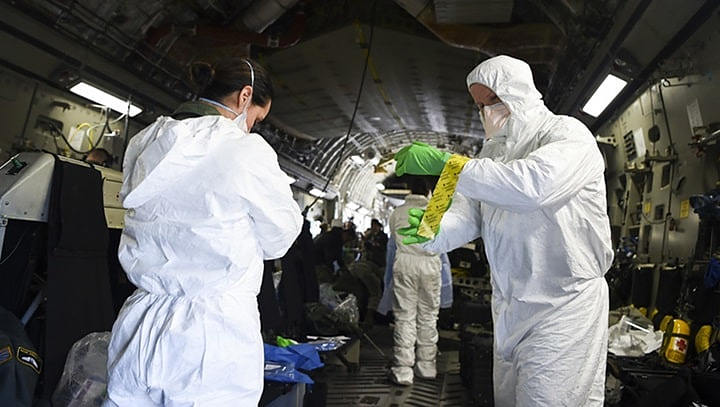

A couple of weeks ago, I wrote an article about the decorrelation between Wall Street and Main street. Back then, this was related to the Coronavirus’s impact on everyone in the light of Wall Street’s impressive rally. While Main street is still reeling from the devastation the Coronavirus has brought, current protests due to another incident involving a white policeman killing a black man have sparked outrage all over the country. Former Policeman Derek Michael Chauvin killed George Floyd, a Father to two daughters, after detaining him and keeping his knee on George’s neck for over 8 minutes. The arrest was due to Floyd allegedly using a counterfeit $20 bill at a market. Initial protests were peaceful, however, turned violent quickly. Fires have been set to police precincts, and many stores have been looted and damaged.
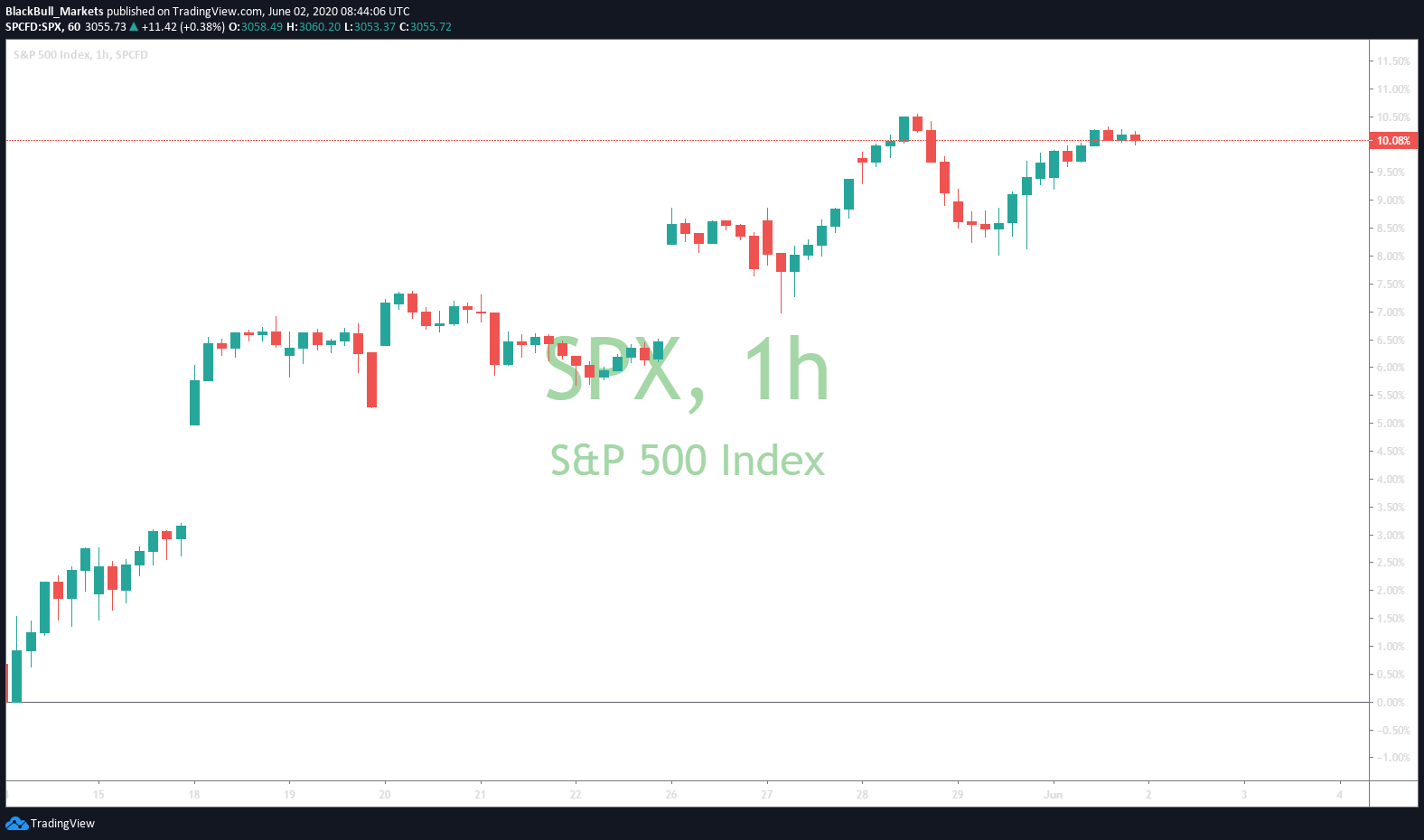
The SP500 has been starting and ending the trading week higher for the past two weeks.
However, just like the Coronavirus, Wall Street seems to be ignoring this as well
The incident between George and Derek has been the cusp of many police brutality protests in America. Most notably, Eric Garner in 2014, who also died from a Policeman, Daniel Pantaleo, using excessive force. Two terrible incidents which brought and is bringing thousands of people to protest on the streets. However, is Wall Street correct in discounting the current protests?
Historically, protests have had little impact on major indices. However, this time around, a culmination of factors may make these rounds of protests more impactful on major US indices.
We have a United States President desperate to win an election and Wall street
As election season edges closer, President Donald Trump has had to deal with two extraordinary events in the past couple of months – Coronavirus and violent protests. His response to both events is widely regarded to be abysmal in comparison to other countries. As the United States reaches 104,000 deaths due to the Coronavirus, the task force set to look over the government’s response regarding the pandemic has seen their formal sessions reduced from three times a week to one. This is alongside no official policy on the pandemic since it’s peak. The President has responded to George Floyd’s incident with more violence, calling the protesters “thugs” on Twitter and threatening to deploy martial law to quell the violent protests if governors do not step up. The last time Martial law was implemented was in 1992 was during the infamous L.A. riots, with the L.A. governor asking the President to implement martial law, not the other way around.
This may push Trump into implementing policy actions which is favorable in riling up his voter base, but not necessarily beneficial for the country, nor Wall street.
A second wave from the Coronavirus is still on the table with protests adding to the likelihood
Adding to policy concerns above, Trump has been adamant about reopening the U.S. economy, which many regard as a last-ditch attempt to secure a chance in winning the election. With the United States still not close to squashing the Coronavirus cases, Coronavirus transmission increasing is all but guaranteed to continue. With protests involving thousands of individuals in proximity together, there may be a chance that these protests spike the rate of transmission.
Protests have been fundamentally affecting businesses
With demonstrations turning violent, looting and destruction have become more prevalent. Alongside government institutions being vandalized, small and large companies have been subject to significant outrage and looting. Target has reportedly shut 75 stores due to the protests, with Amazon reducing shipping volume due to similar reasons. There have been devastating videos of the destruction, from small businesses being lit on fire to cars in Mercedes Benz dealerships being vandalized and on fire. It is too early to tell whether this may have a tangible effect on businesses in the long term, but sustained destruction may see an impact on the bottom line.
Likely, these protests on its own will not affect significant indices. However, as the United States is still reeling from the Coronavirus effects, these protests may catalyze events that will shake Wall street at its core. For investors, this may be unfavorable. However, these protests may finally bring an end to racial injustice in the United States – or at least a start to an end.
Author
Kyle Quindo
Blackbull Markets Limited
Kyle is a Research Analyst with BlackBull Markets in New Zealand. He writes articles on topical events and financial news, with a particular interest in commodities and long term investing.

















