Life is far from a simulation

S2N spotlight
As much as I tried to write yesterday, I couldn’t. Words escaped me. I needed more time to process the senseless killing of Jewish lives at Bondi Beach, just 1.1 kilometres from where I live.
Life insists on being lived, so slowly, deliberately, we move on. But moving on without drawing lessons — without changing the way we think and act — is not resilience. It is forgetfulness. And forgetfulness, in moments like this, risks becoming the ultimate betrayal of the dead.
I don’t wish to trivialise matters of life and death by comparing them to financial markets. But when I finally sat down to write this Spotlight, I realised I couldn’t separate what I was feeling from what I’ve learned over decades of observing markets, systems, and human behaviour.
Because the common thread is not finance. It is memory.
I remember, as a young trader, wanting to come up with brilliant formal ideas to describe how markets work. I would sit making amateur notations of logic that I thought reflected reality in the marketplace. What I lacked in formal training certainly didn’t stop me from pushing for an explanation.
One of the earliest ideas I proudly produced was the belief that markets have memory. That which happened yesterday shapes what can happen today. That volatility clusters, losses change behaviour, and sequences matter.
At the time, I didn’t know there was already a vast academic literature describing exactly this — from Benoît Mandelbrot’s work on long memory to Andrew Lo’s adaptive markets to modern critiques such as Marcos Lopez de Prado’s of backtesting that ignore sequence risk.
The idea is simple: you cannot strip a process of its history, randomise it, and expect it to reflect reality. Yet we keep trying—not just in markets, but in how we interpret the world around us.
This is where Monte Carlo thinking quietly becomes a metaphor.
As you may recall me mentioning, I am working on launching a new business venture before the end of the year. I am well past my 10,000 hours of reps in the space I am playing. I don’t say that to claim authority — only to explain why I struggle to stay silent when I see things differently.
While the industry is often seduced by the certainty that voodoo science peddles, I find myself more compelled to join the dots, as unpopular as that may be. Truth comes with an invoice. But its payoff is eternal. That is the kind of trade I like to take.
The only Monte Carlo I truly believe in is the playground for the rich and famous on the Mediterranean.
Monte Carlo simulations work by randomising sequences. They assume that order doesn’t matter — that events can be reshuffled, smoothed, averaged, and still tell us something meaningful about the future.
That assumption only holds in systems without memory.
But societies, like markets, remember.
Acts of violence do not appear in isolation. They are the downstream expression of ideas that have been tolerated, normalised, or excused long before they turn physical. When hate speech is allowed to metastasise, when moral clarity is replaced with moral equivalence, when terrorism is rewarded with legitimacy while a sovereign nation remains under attack — consequences follow. Not immediately. Not neatly. But inevitably.
Sequence matters.
The same error shows up in today’s macro conversation.
We are encouraged to think in snapshots: this inflation print, that election, this conflict, that policy response. Each is treated as a discrete, independent event.
But this is not a moment in history that can be understood as an event.
Debt, demographics, geopolitics, social cohesion, and trust in institutions have been compounding for years. What looks like randomness on the surface is often a tightly connected tapestry beneath it — tension stored, not resolved.
We see the same blindness in markets today. A global debt mountain built one “necessary” intervention at a time. A near-religious belief that artificial intelligence will justify any valuation, any leverage, any suspension of disbelief. Each development is discussed in isolation, as if balance sheets, incentives, and human behaviour reset each quarter.
They don’t.
These are not independent events. They are layers — memory piling on memory — and the release, when it comes, rarely respects our narratives.
Volatility, whether in markets or societies, is rarely the cause. It is the release.
I try hard to keep politics out of this letter. I don’t always succeed, and today I won’t pretend neutrality where I don’t feel it. But this is not about ideology.
It is about causality.
If we believe systems have memory — and they do — then we have to accept responsibility for what we allow to accumulate.
You don’t get to randomise history and then act surprised by the outcome.
S2N observations
I will be brief I am feeling drained, and I want the above to be chewed on; it’s important to me and I believe to you.
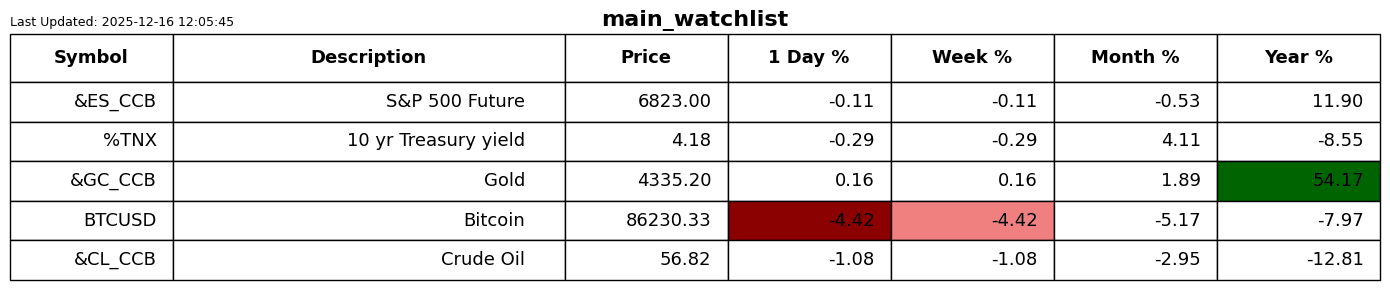
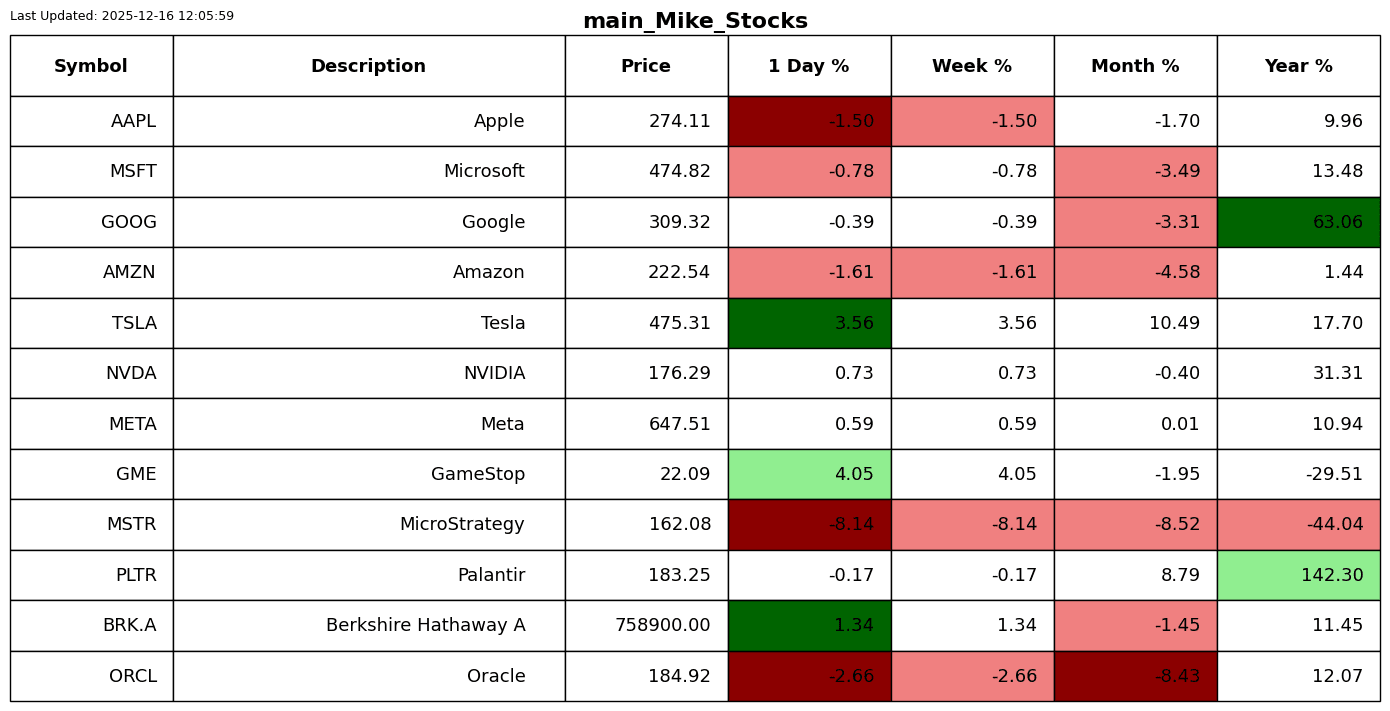
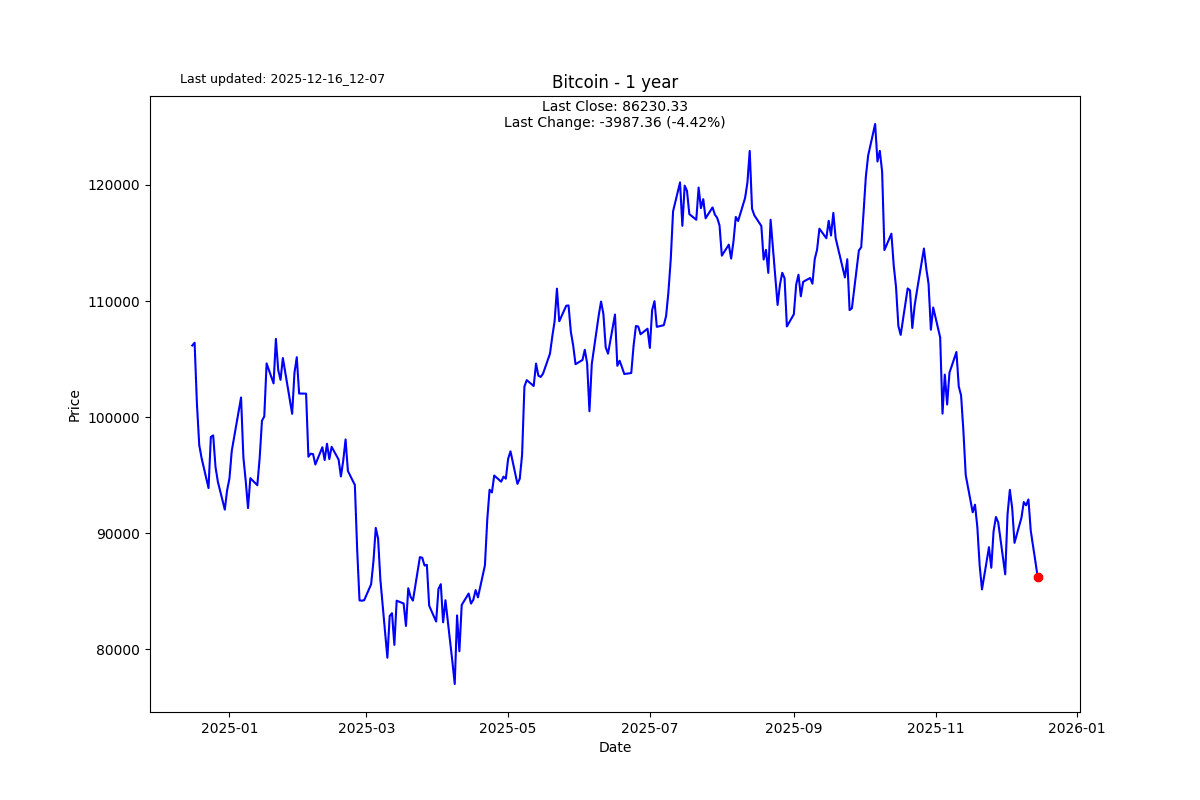
Bitcoin’s chart is looking increasingly fragile (see below). Continued weakness would place enormous pressure on Strategy, and it’s telling that the tone of Michael Saylor’s rhetoric has shifted from conviction to insistence. In markets with memory, desperation is rarely a coincidence. If this sequence completes, it will provide ample material for one of the great cautionary books in financial history.
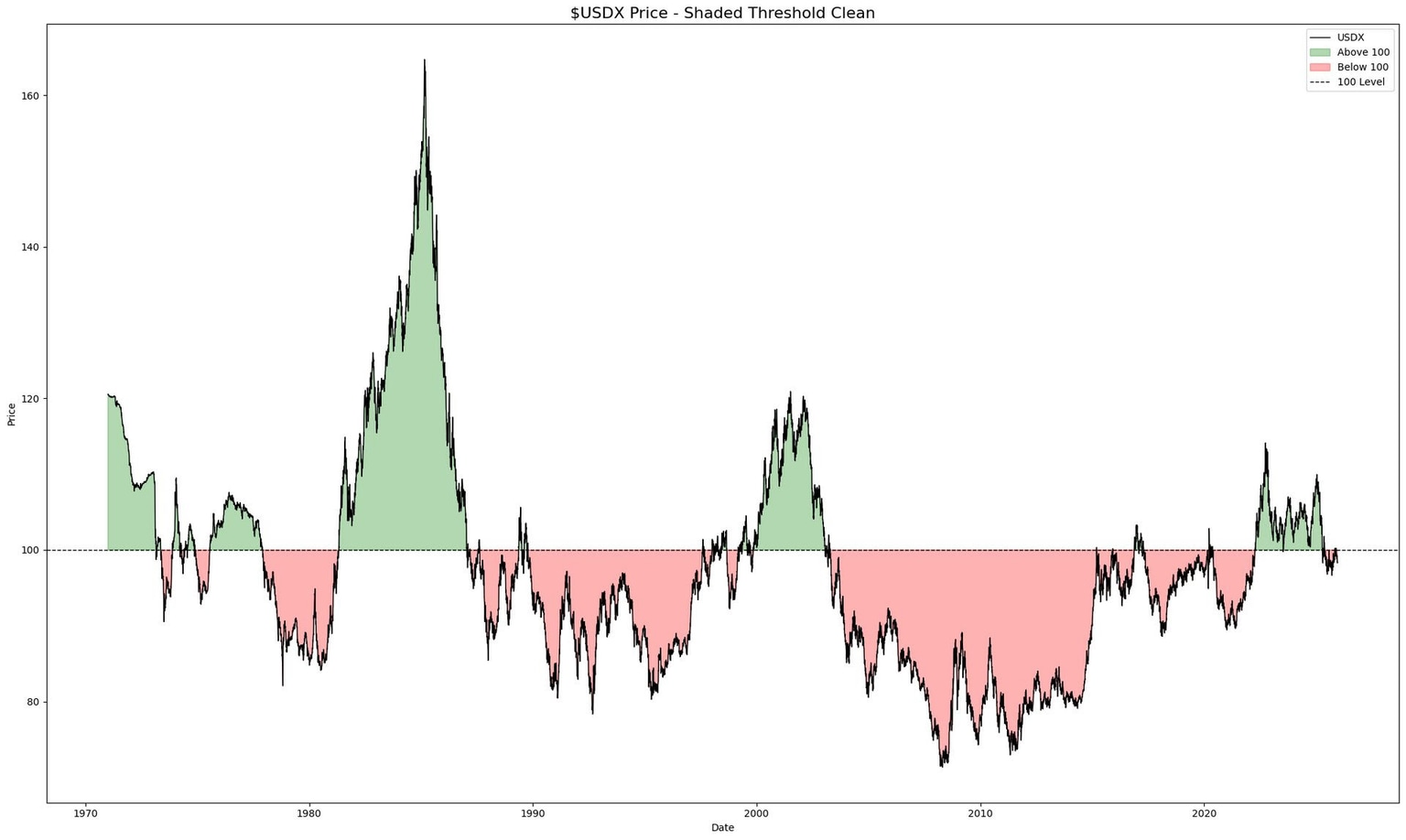
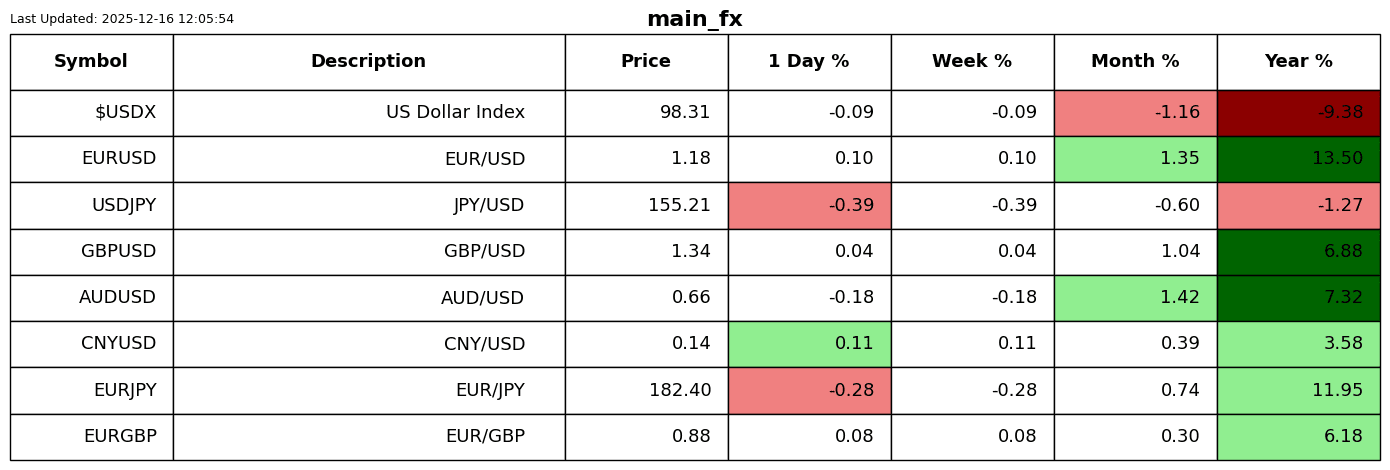
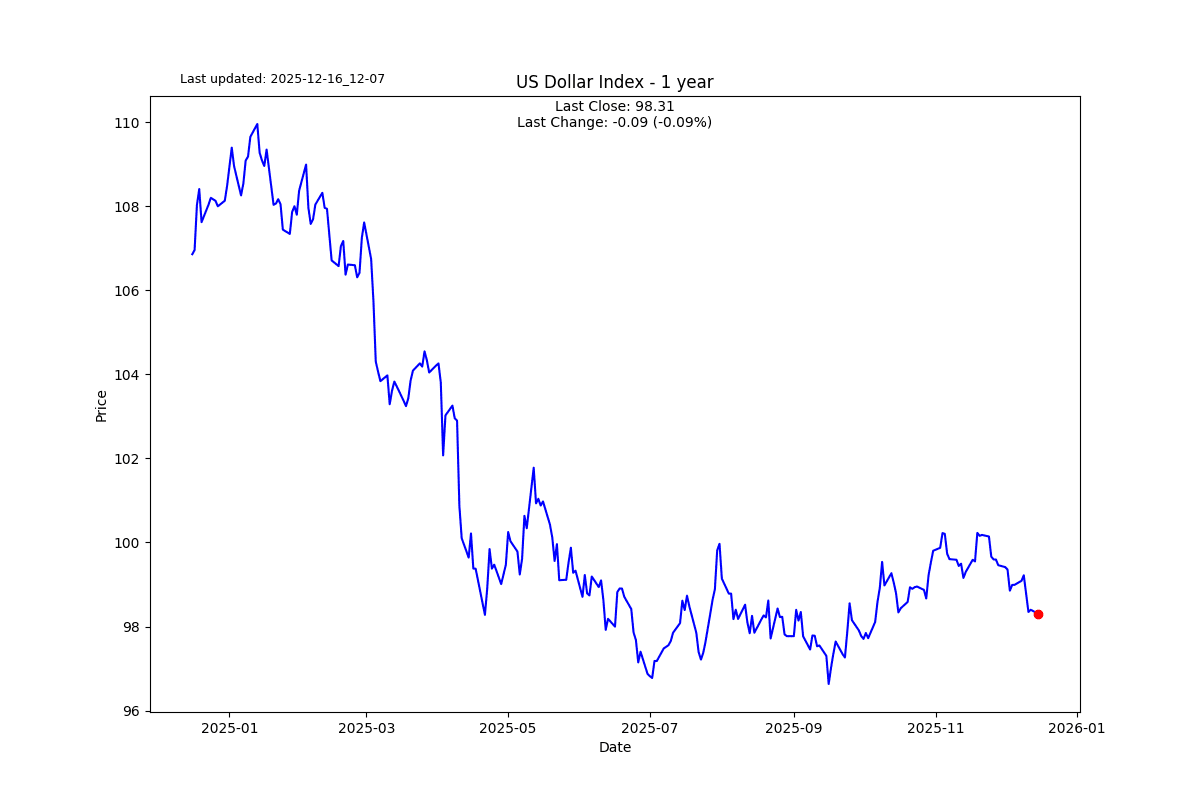
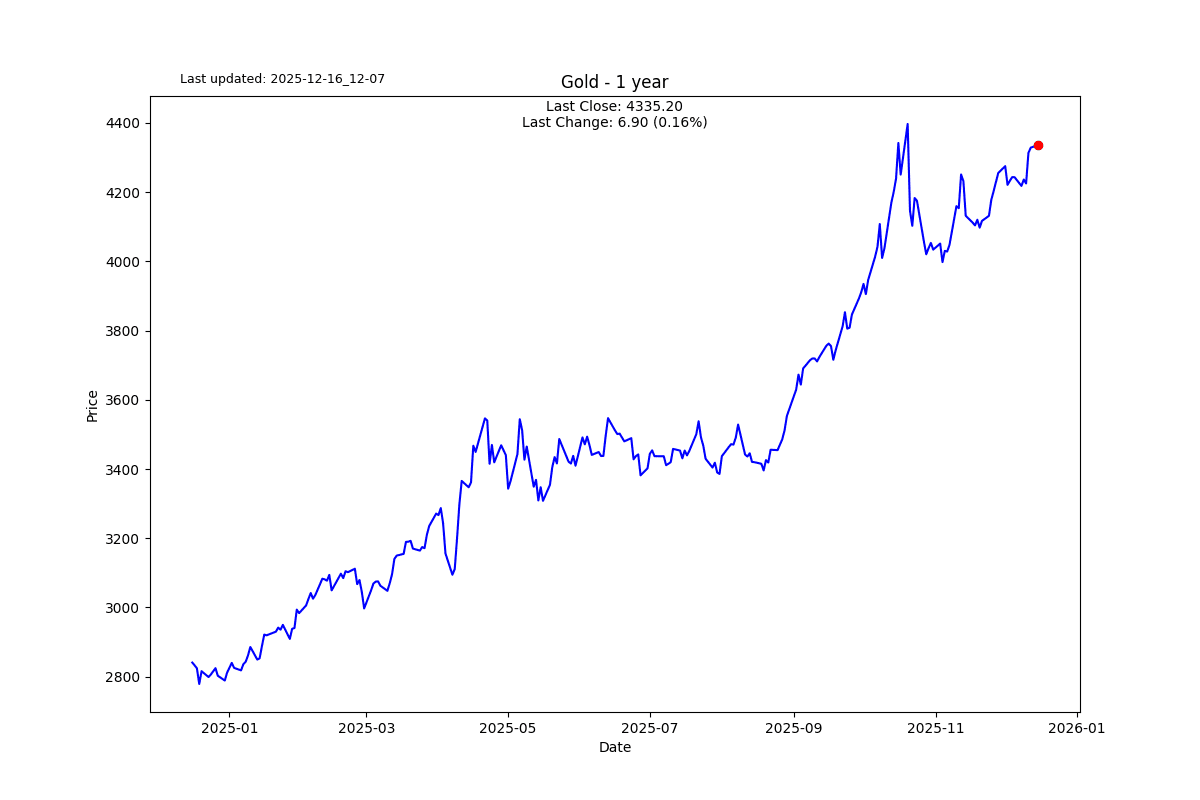
The US dollar is feeling the strains of stubborn inflation, but the choices of alternative fiat remain few, so other than gold and other precious metals like silver, the dollar is likely to continue playing its role as the world’s reserve currency.
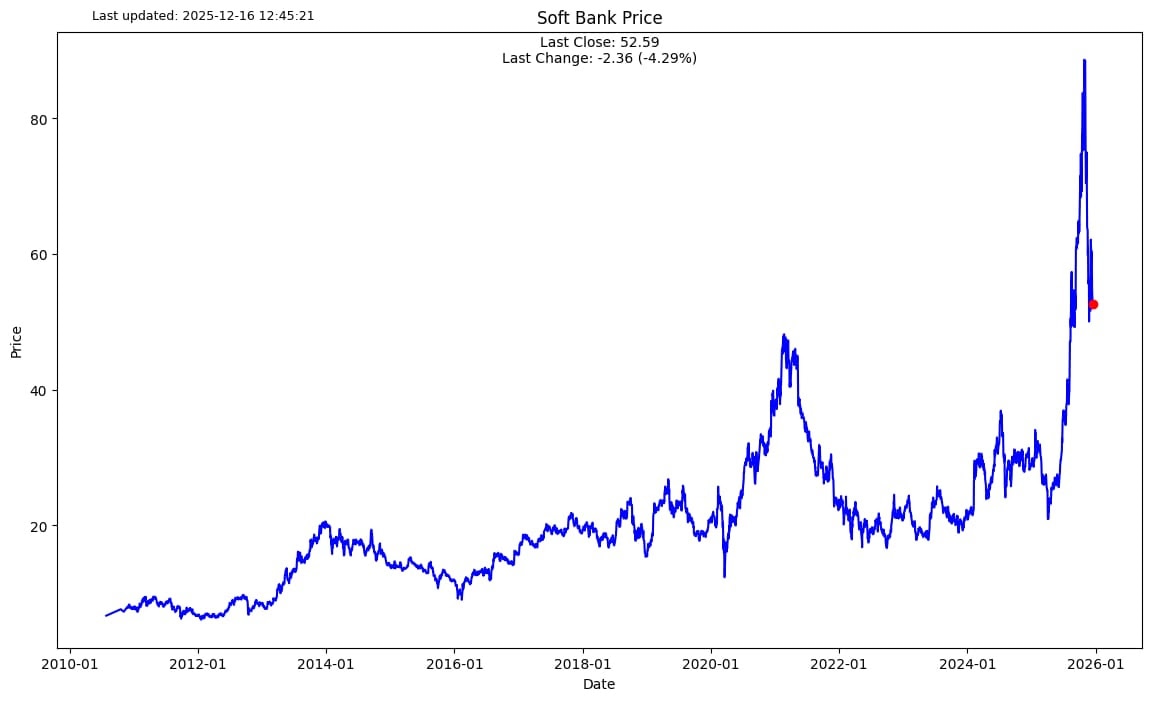
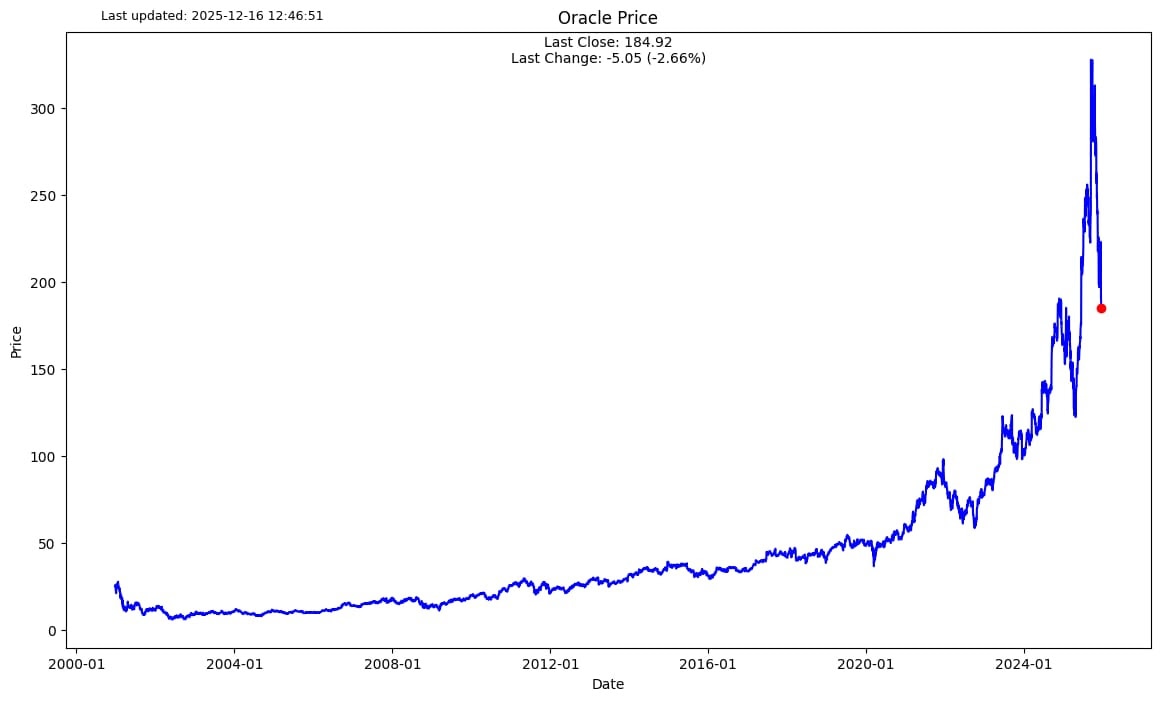
I am keeping an eye on Softbank (looking at ADR) and Oracle as my canaries in the AI coalmine.
Final comment on the data centre theme that I wasn’t aware of. I knew data centres were energy hungry. What I didn’t know was how thirsty they are. Hat tip to Charlie Garcia.
A single advanced chip plant drinks 10 million gallons of ultrapure water a day. That’s a mid-sized American city. Every day. For one factory. Charlie is playing an interesting game investing in water purifiers. Japan sits at the centre of this industry. I don’t understand this well enough to make any informed comments. I am simply putting it on our respective radars as a possible cheaper entry into the AI trade complex.
S2N screener alert
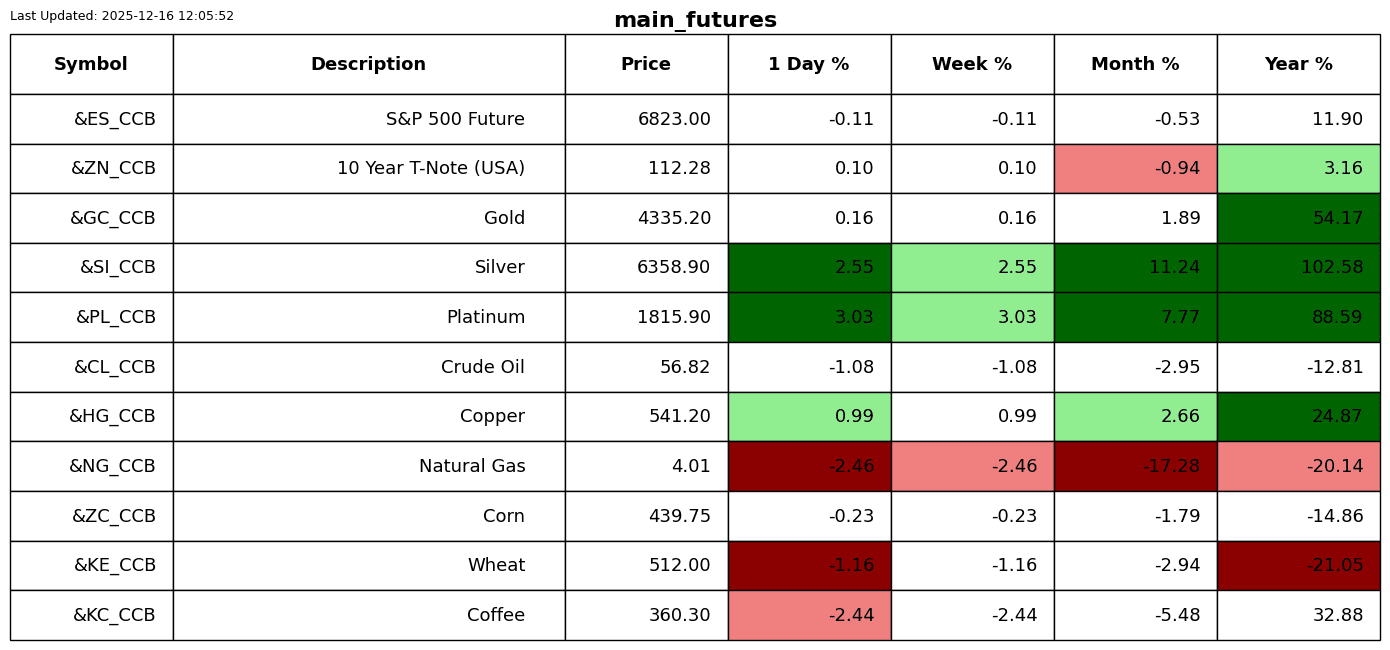
Silver keeps shining bright.

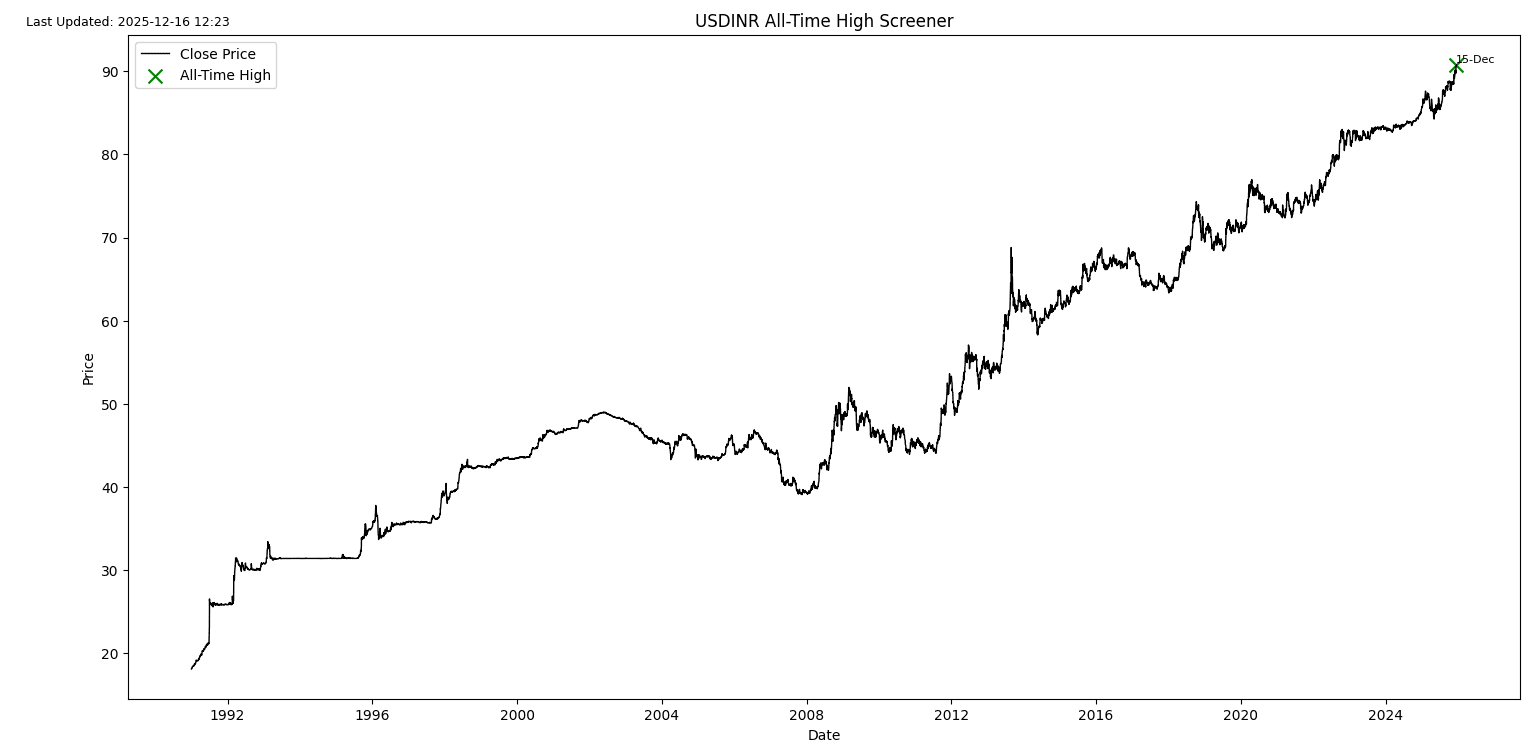
The US Dollar keeps scoring goals against the Indian rupee.
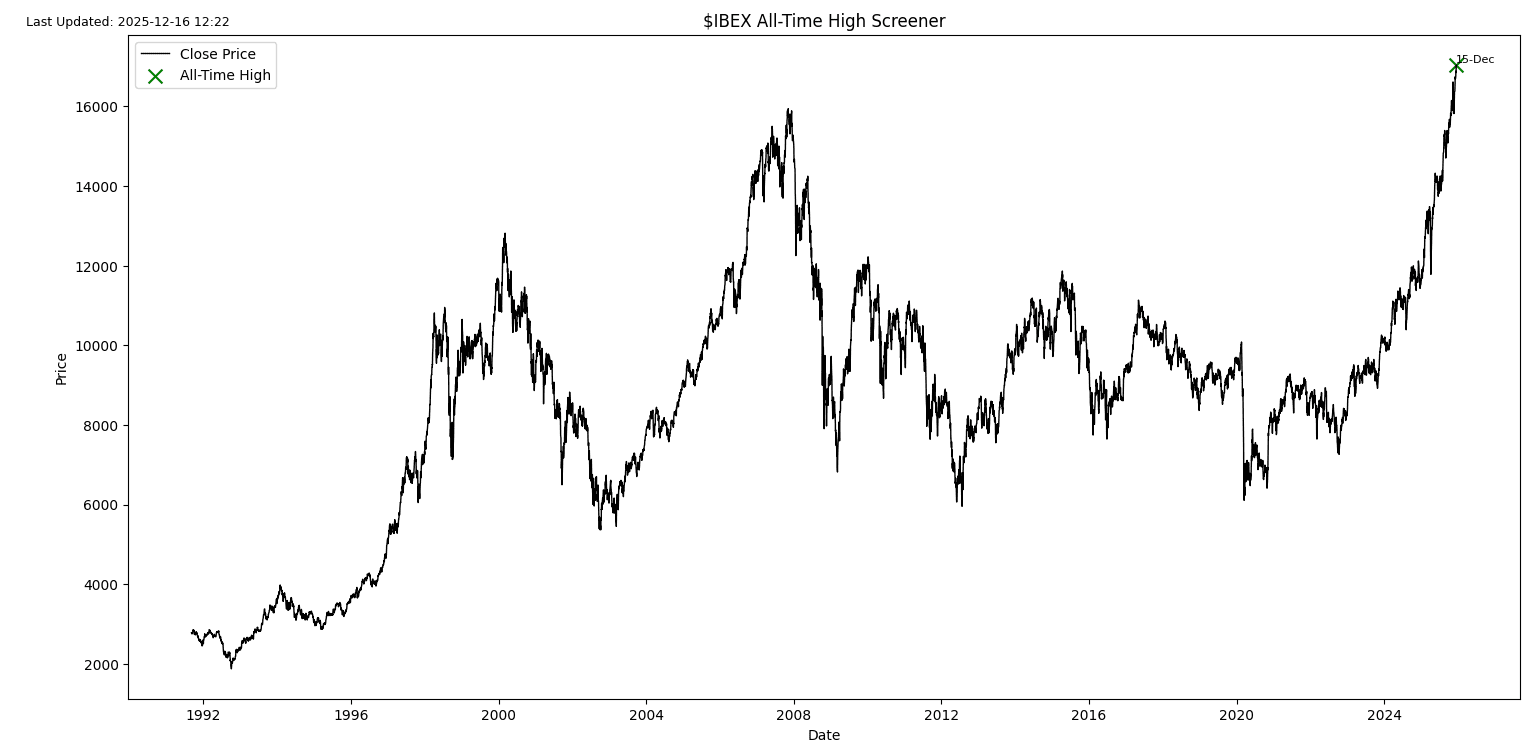
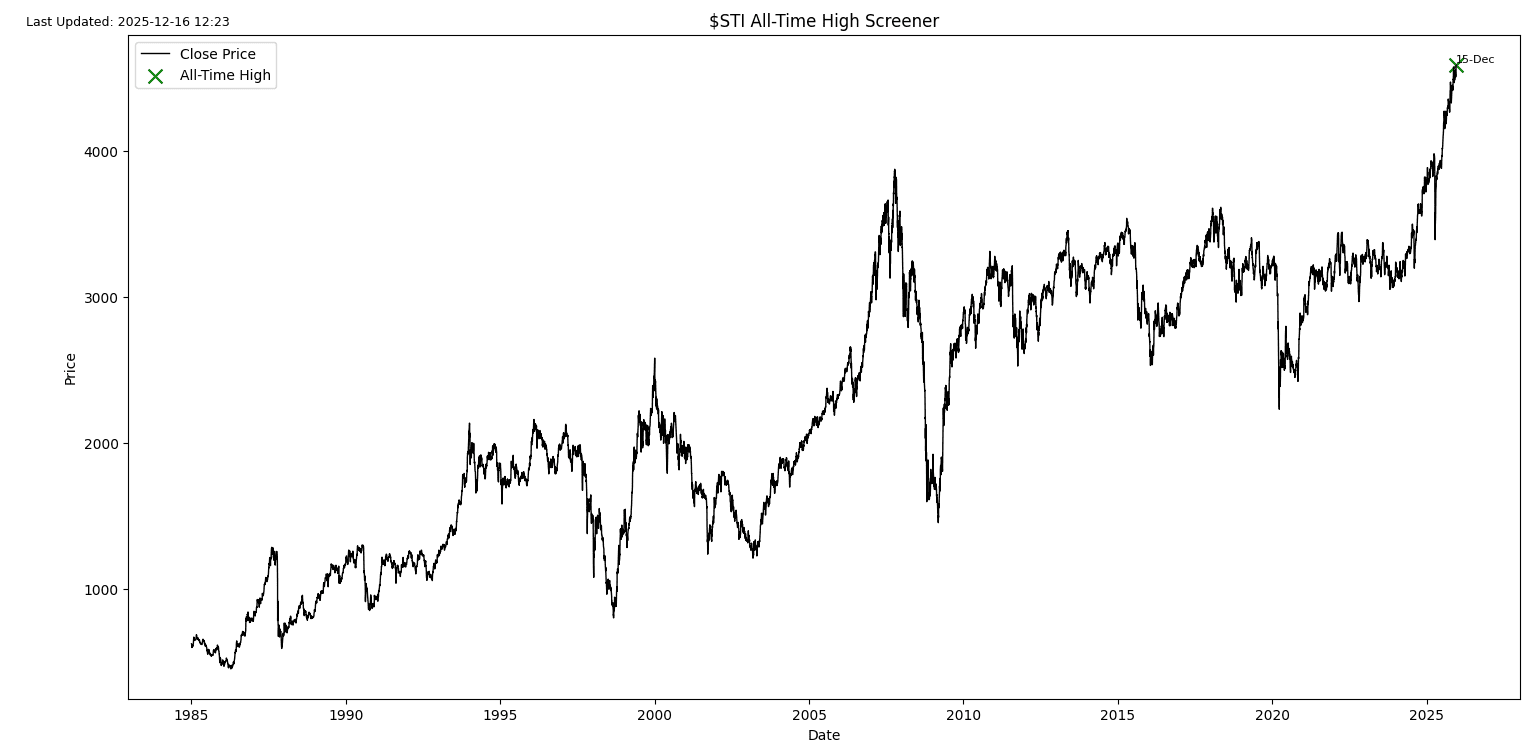
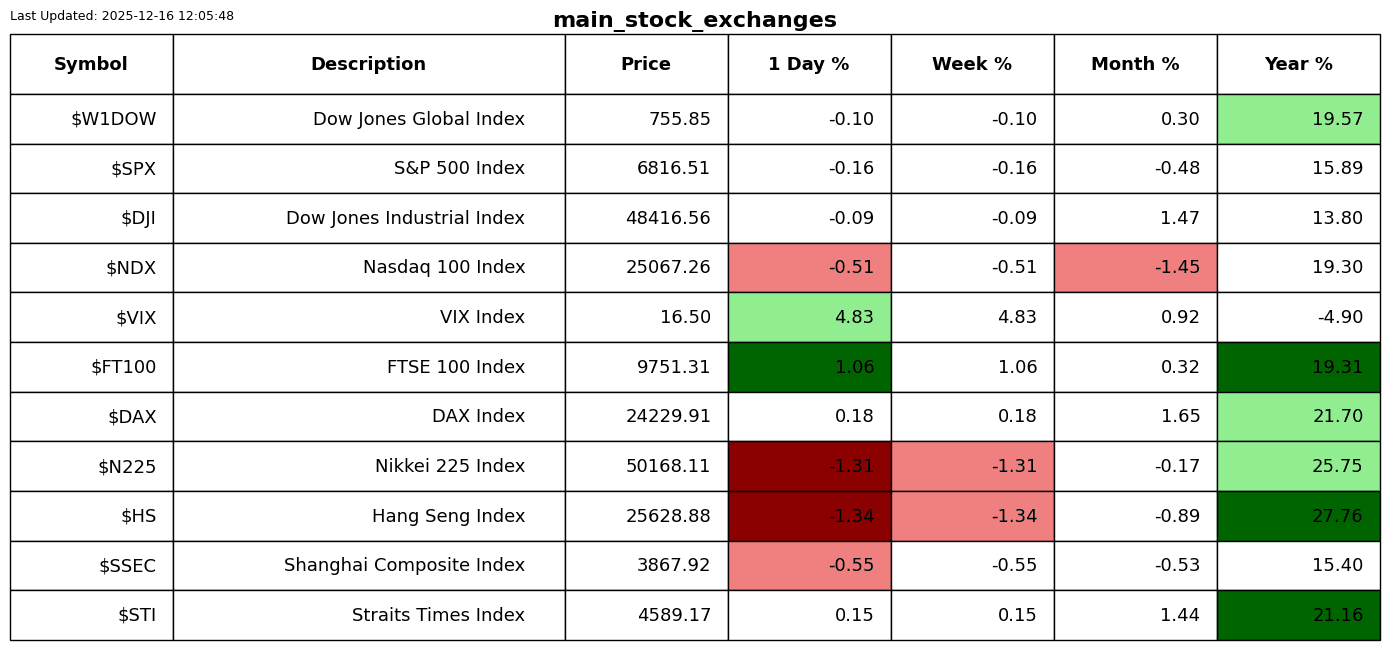
The Spanish stock market made new all-time highs, as did the Singapore Straits.
S2N performance review


S2N chart gallery
S2N news today
Author
Michael Berman, PhD
Signal2Noise (S2N) News
Michael has decades of experience as a professional trader, hedge fund manager and incubator of emerging traders.

















