JPY: Upside fueled by BoJ hawkishness and election volatility

Key points
-
JPY gains: USDJPY has erased its 2024 gains and is trading below the key cycle low of 141.70, indicating potential for further upside in Japanese yen.
-
BoJ hawkishness: Recent comments from BOJ board member Junko Nakagawa hint at possible tightening of monetary policy, with stronger-than-expected labor cash earnings supporting further normalization.
-
US Fed outlook: Mixed signals from the US jobs report have not removed the odds of a potential 50bps rate cut by the Fed next week. This suggests Fed will have to be dovish in its language even if it goes for a smaller cut.
-
US election volatility: Rising election risks, particularly the debate between Trump and Harris, have increased market volatility, boosting the yen's appeal as a safe haven.
-
Outlook: The yen has room to strengthen, especially against the USD, CAD, and MXN. It could also gain against the AUD and NZD if US economic growth concerns continue to deepen.
The Japanese yen has hit a fresh 2024 high against the US Dollar –This has been driven by:
Hawkish BoJ comments
Bank of Japan (BOJ) board member Junko Nakagawa suggested the possibility of adjusting the degree of monetary easing, hinting at another rate hike. Japan’s labor cash earnings for July also exceeded expectations, which continue to support the case for further normalization in the BOJ policy. Nakagawa emphasized that the BOJ would adjust policy if economic projections materialize, signaling that Japan’s low real rates may need tightening sooner than expected.
Fed outlook
Market expectations remain split for the magnitude of rate cut from the Fed next week. Despite a mixed US jobs report for August, the odds of a 50bps cut still remain. This means that even if the Fed moved by 25bps at the September 18 meeting, they will have to give a dovish outlook and continue to highlight that they stand ready to go for bigger rate cuts if economic momentum deteriorates further. This means that US dollar could remain on the backfoot going into the Fed meeting, and JPY could remain attractive.
US election risks
The debate between Trump and Harris has added volatility to the political landscape, with prediction markets lowering Trump’s odds in an initial reaction. As election risk heats up, the yen’s status as a safe haven and funder of carry trades positions it to gain amid increased market volatility.
Japan's domestic politics
Japan's LDP leadership race is also heating up, with candidates likely to address concerns over the yen’s weakness. This internal political jockeying could lend further support to the currency.
With momentum gaining, the yen has room to strengthen, particularly against the USD, CAD, and MXN. The Canadian dollar faces pressure from declining oil prices and dovish signals from the BoC, while the Mexican peso may see the most impact from carry trade unwinding progressing further.
Upside potential also exists against the AUD and NZD if concerns around US economic growth deepen. This broader environment of market caution and currency repositioning could fuel further gains for the yen, especially as election-related volatility and haven demand increase.
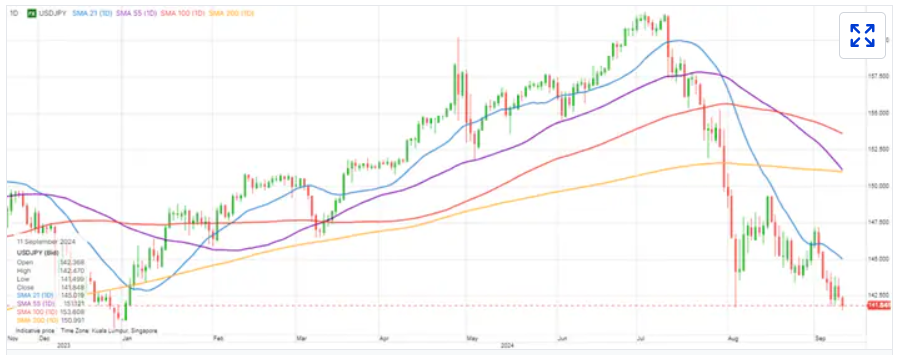
Source: Saxo. Disclaimer: Past performance does not indicate future performance.
Read the original analysis: JPY: Upside fueled by BoJ hawkishness and election volatility
Author

Saxo Research Team
Saxo Bank
Saxo is an award-winning investment firm trusted by 1,200,000+ clients worldwide. Saxo provides the leading online trading platform connecting investors and traders to global financial markets.