India’s battle against Gold-related outflows could backfire
Indian authorities have stepped up efforts to protect the country’s foreign-exchange reserves and stabilize the Indian Rupee.
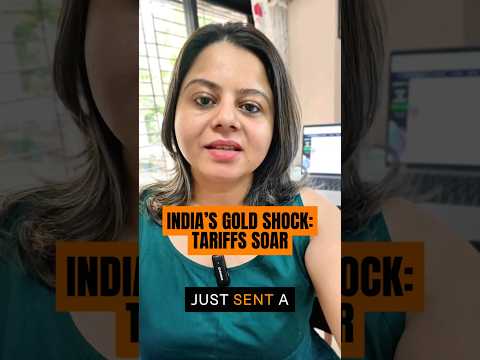
Gold purchases are one area in focus, but the crackdown on the precious metal could end up creating a bigger problem than the one it is trying to solve.
On Sunday, Prime Minister Narendra Modi urged the nation’s citizens to avoid buying Gold for a year, among other recommendations such as fuel conservation or limiting trips overseas. A few days later, words were translated into action: India doubled basic customs duty on Gold and Silver imports to 10% and raised the Agriculture Infrastructure and Development Cess (AIDC) to 5%. This takes the effective tax rate, including a 3% Integrated Goods and Services Tax (IGST), to 18.4%, from 9.2%.
Tax | Before | After |
Basic customs duty | 5% | 10% |
Agriculture infrastructure and Development Cess (AIDC) | 1% | 5% |
Integrated Goods and Services Tax (IGST) | 3% | 3% (unchanged) |
Total | around 9.2% | around 18.4% |
Why India is targeting Gold imports
The decision was driven by massive Gold imports in early 2026, which led to a major drain on foreign exchange reserves against the backdrop of the impact of the West Asia crisis on India’s current account deficit.
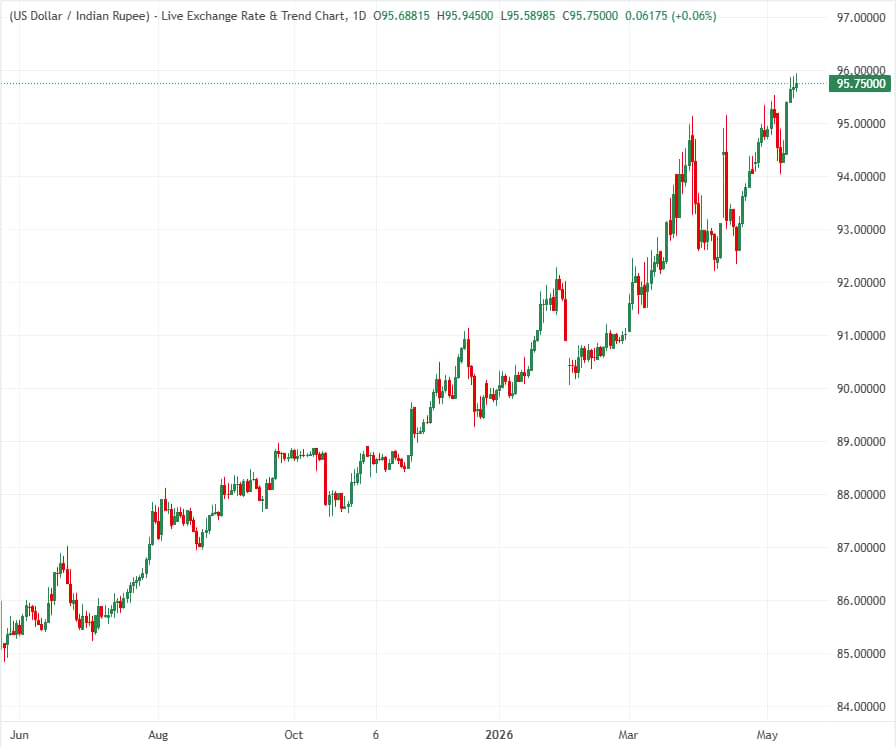
The latest move makes precious metals more expensive locally and is expected to dampen demand in the world's second-largest consumer market. By discouraging Gold imports, authorities aim to reduce the trade deficit and also stabilize the Indian Rupee, which has been hitting fresh all-time lows against the US Dollar almost every week and is one of Asia's worst-performing currencies.
Higher Gold taxes may fuel smuggling
Experts, however, believe that the measure could be counterproductive as high import taxes would incentivize smugglers and grey-market operators.
Gold demand in India is relatively inelastic due to its cultural significance, predominant use in weddings, and investment purposes. When the price of the legal channel rises, consumers often buy Gold through unofficial channels rather than lowering demand entirely. The illicit trade, in turn, would cause significant revenue loss to the government, feed the unaccounted money system (black money), and technically contribute to a higher trade deficit.
Moreover, India – as a large importer of Crude Oil – remains vulnerable to elevated energy prices and supply-side disruptions, which could further increase the import bill and exert pressure on its current account deficit.
To counter this, India may need a broader approach rather than short-term solutions such as making Gold buying more expensive. That means seeking alternative sources for Crude Oil and raw materials to mitigate risks from regional geopolitical tensions, as well as strengthen its domestic manufacturing capacity, particularly in electronics and components, to reduce reliance on imported finished goods. Stronger capital inflows would also help bridge the savings-investment gap and give the Indian Rupee more support.
Increasing taxes on Gold may buy some time, but ultimately India needs more than a short-term fix.
Indian economy FAQs
The Indian economy has averaged a growth rate of 6.13% between 2006 and 2023, which makes it one of the fastest growing in the world. India’s high growth has attracted a lot of foreign investment. This includes Foreign Direct Investment (FDI) into physical projects and Foreign Indirect Investment (FII) by foreign funds into Indian financial markets. The greater the level of investment, the higher the demand for the Rupee (INR). Fluctuations in Dollar-demand from Indian importers also impact INR.
India has to import a great deal of its Oil and gasoline so the price of Oil can have a direct impact on the Rupee. Oil is mostly traded in US Dollars (USD) on international markets so if the price of Oil rises, aggregate demand for USD increases and Indian importers have to sell more Rupees to meet that demand, which is depreciative for the Rupee.
Inflation has a complex effect on the Rupee. Ultimately it indicates an increase in money supply which reduces the Rupee’s overall value. Yet if it rises above the Reserve Bank of India’s (RBI) 4% target, the RBI will raise interest rates to bring it down by reducing credit. Higher interest rates, especially real rates (the difference between interest rates and inflation) strengthen the Rupee. They make India a more profitable place for international investors to park their money. A fall in inflation can be supportive of the Rupee. At the same time lower interest rates can have a depreciatory effect on the Rupee.
India has run a trade deficit for most of its recent history, indicating its imports outweigh its exports. Since the majority of international trade takes place in US Dollars, there are times – due to seasonal demand or order glut – where the high volume of imports leads to significant US Dollar- demand. During these periods the Rupee can weaken as it is heavily sold to meet the demand for Dollars. When markets experience increased volatility, the demand for US Dollars can also shoot up with a similarly negative effect on the Rupee.
Author

Haresh Menghani
FXStreet
Haresh Menghani is a detail-oriented professional with 10+ years of extensive experience in analysing the global financial markets.