I will show you how to beat AI

S2N spotlight
I am currently working on an option project, so I've been looking at volatility a little more closely. I have good news. Simple is still better when it comes to forecasting volatility.
The Black-Scholes Model, with all its brilliance, assumes constant volatility. So volatility today = volatility tomorrow = volatility at expiry.
Black-Scholes won a Nobel Prize for options pricing, but every professional trader knows the volatility assumption is wrong and adjusts for it. It's like winning an award for a beautiful theoretical car that can't actually drive on real roads! I am tempted to say like when the Nobel Committee awarded Barack Obama a Nobel Peace Prize for the anticipated peace he was going to bring. The difference, though, is Black-Scholes actually works, albeit with some tweaks.
First we need to set the scene; we will focus on Bitcoin, but I am pretty sure it applies to most assets.
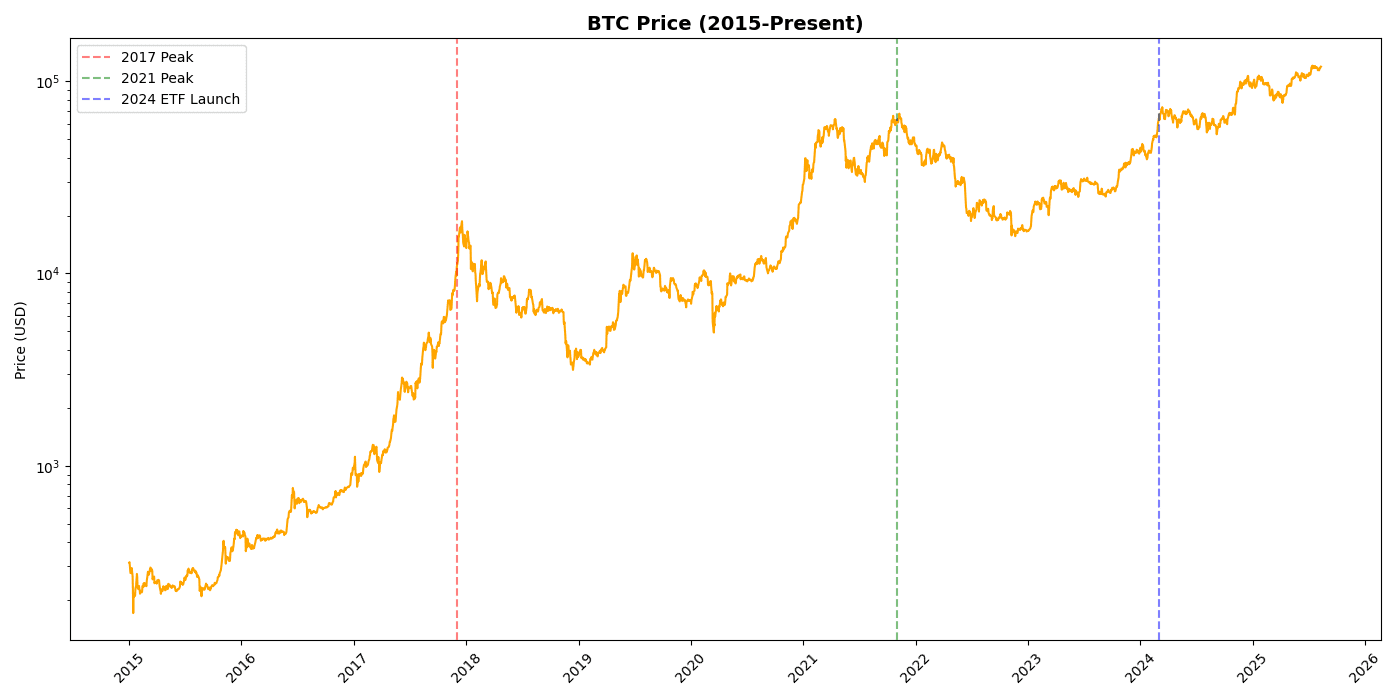
The Price of Bitcoin in Log Scale
When I used to trade options on Bitcoin five years ago, 100%+ was what I was used to. Things have become a lot less volatile, relatively speaking, as prices have climbed to a level where Bitcoin is now a somewhat respectable asset class.
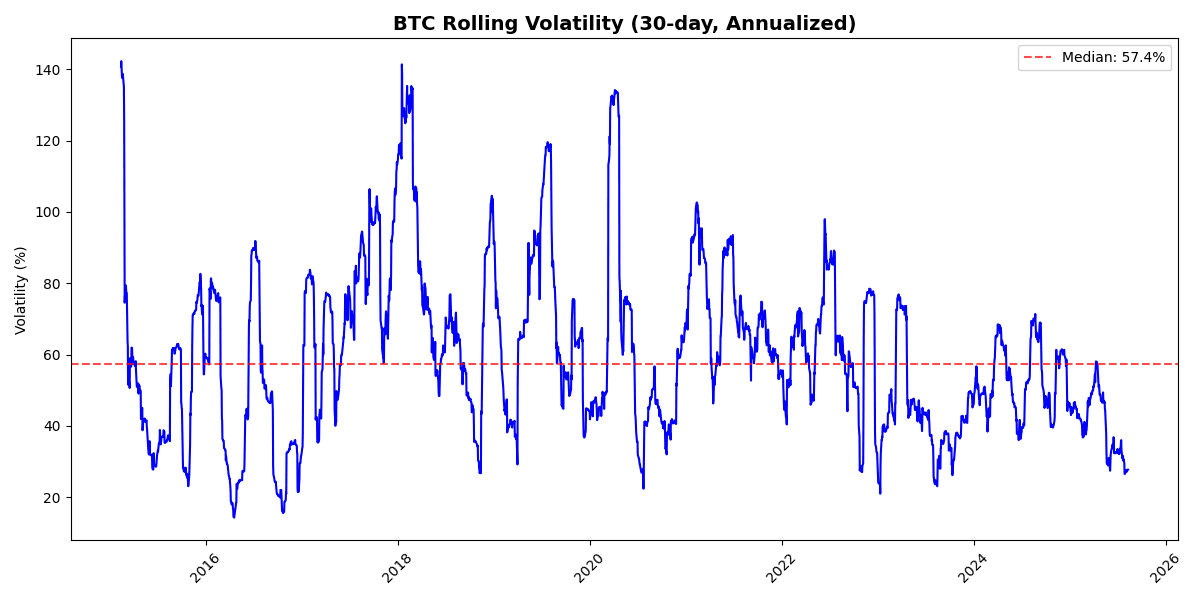
Here comes the money shot. I set a task of forecasting the next 30 days’ volatility of Bitcoin. I used a GARCH model, an RSI model, and a Bollinger Band model. I then created a linear regression of the forecasts against the actual volatility, with an R2 coefficient to measure the goodness of fit.
The fancy-schmancy GARCH model with all the machine learning (AI) produces a forecast twice as bad as if we simply chose the mean. The best model is a simple RSI indicator that almost every trader is familiar with.
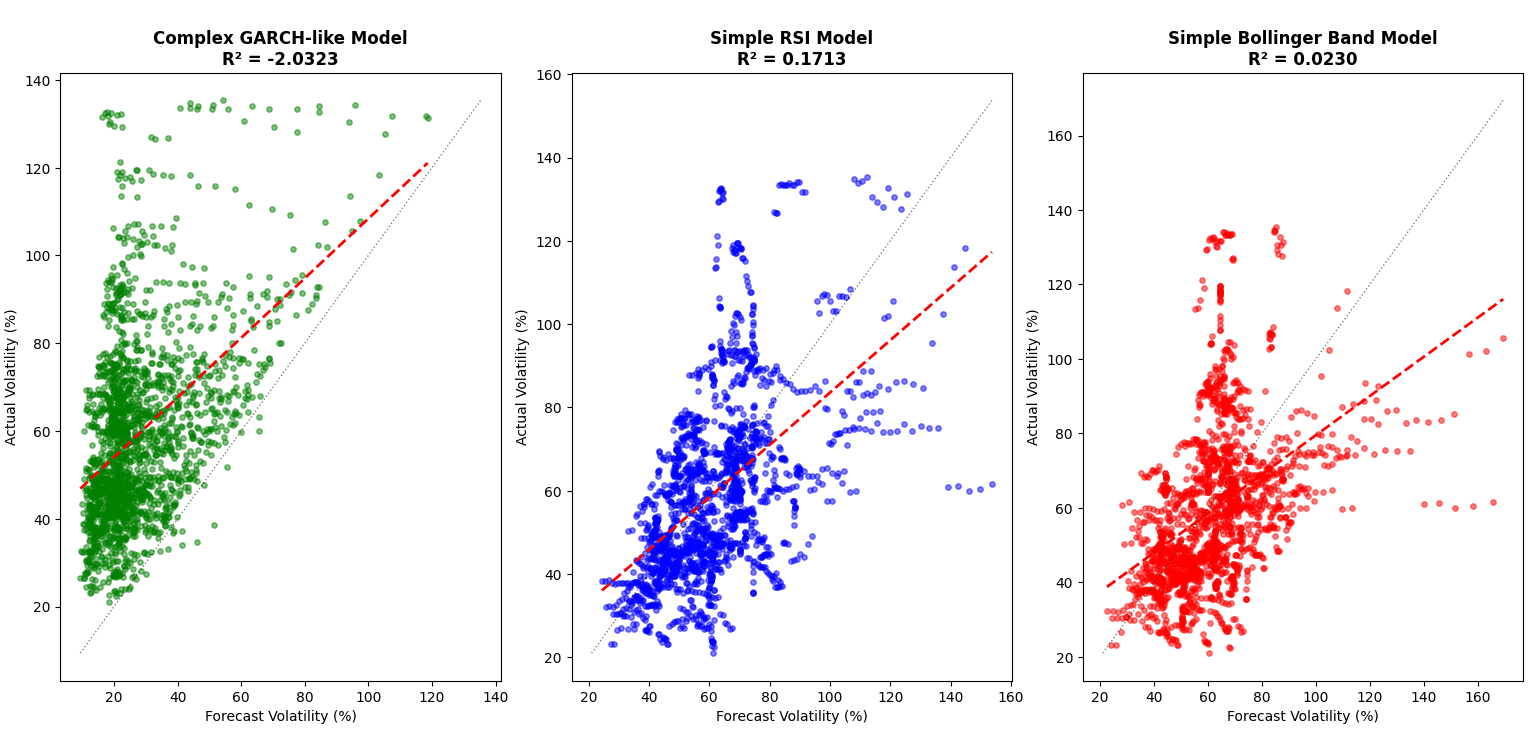
Three different forecast models
The conclusion I want to share is that we all know that volatility is mean reverting. The problem with a GARCH model, without going too deep into the technical aspects, is that it is overfitting the model because it is focused on volatility clustering. Yes, volatility does cluster, but that is not its dominant feature. Keeping things simple and working with the characteristics of a second derivative statistic produces something far more intuitive and predictable.
Said in market psychology language. Fear and greed drive volatility more than mathematical variance equations do.
S2N observations
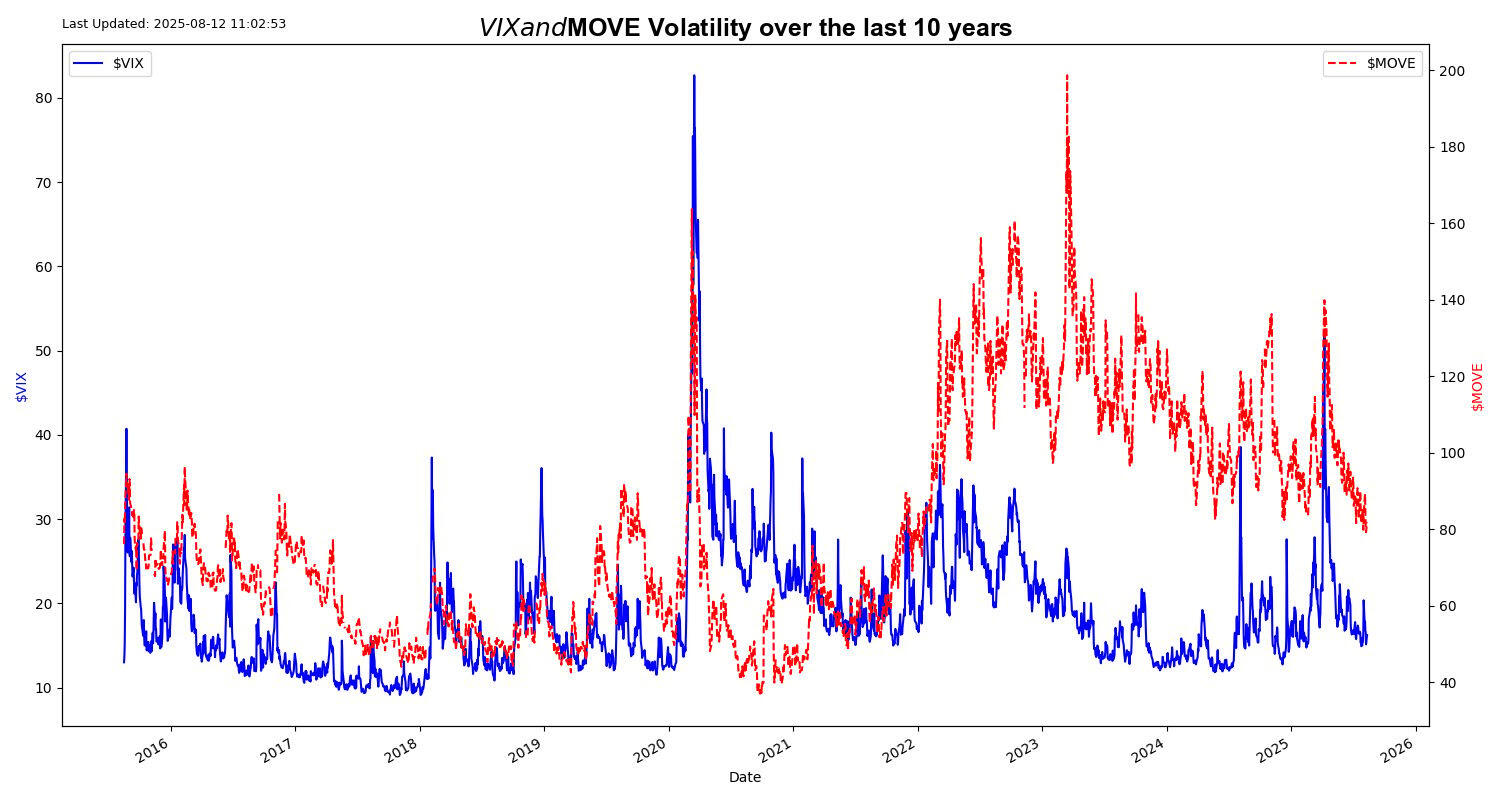
Keeping with the subject of volatility, uncertainty is the bedrock of a stable marketplace. There are very few people in positions of power today who are capable of stepping back and letting the capitalist system reward the good and punish the bad. Instead, it is one bailout after another based on the false premise of too big to fail.
I read an excellent Bloomberg article about the Treasury Secretary Scott Bessent today. He claims that President Trump has a tolerance for risk like very few others. If anyone is capable of tackling a too-big-to-fail problem, I would say it is Trump. The problem is his scorecard is the stock market, which is why we will end up having a crash instead of a correction. Just my thoughts about an unstable market.
The chart below shows the Stock and Bond volatility indexes over the last 10 years.
One final observation. I have seen a lot of headlines saying, "Where are the job losses that all the doom and gloom-mongers are predicting from the AI revolution?”
My first comment is that one thing that most investors, traders, and analysts don’t get right is the concept of a lag. I believe there is a built-in behavioural bias that overrides the sensibility of a lag. One day I will write up a thesis on this subject and try and explain my idea.
Anyone who has touched AI in the last year knows this is a game changer. Jobs that took days and weeks can be done in a few seconds. Access to the best brains and skills is available for $20 per month. The need for so many people to do certain tasks is just not required anymore. How long it takes to show up in the numbers I don’t know, but it is happening, and I am prepared to bet heavily that it will be disruptive.
It will take time before this new productivity will lead to more jobs, if it ever will. Each one of you will be able to think of a use case for how this is going to improve your cost efficiency and productivity. As a tech entrepreneur for many years, I have seen firsthand how software engineers hold their bosses ransom.
Code has been notoriously hard to manage, with software engineers easily able to keep certain things close to their chest, making them indispensable to the project or company. Today that pricing power and job protection have been largely commoditized. I foresee large-scale unemployment despite many companies reporting above-average earnings.
S2N screener alert
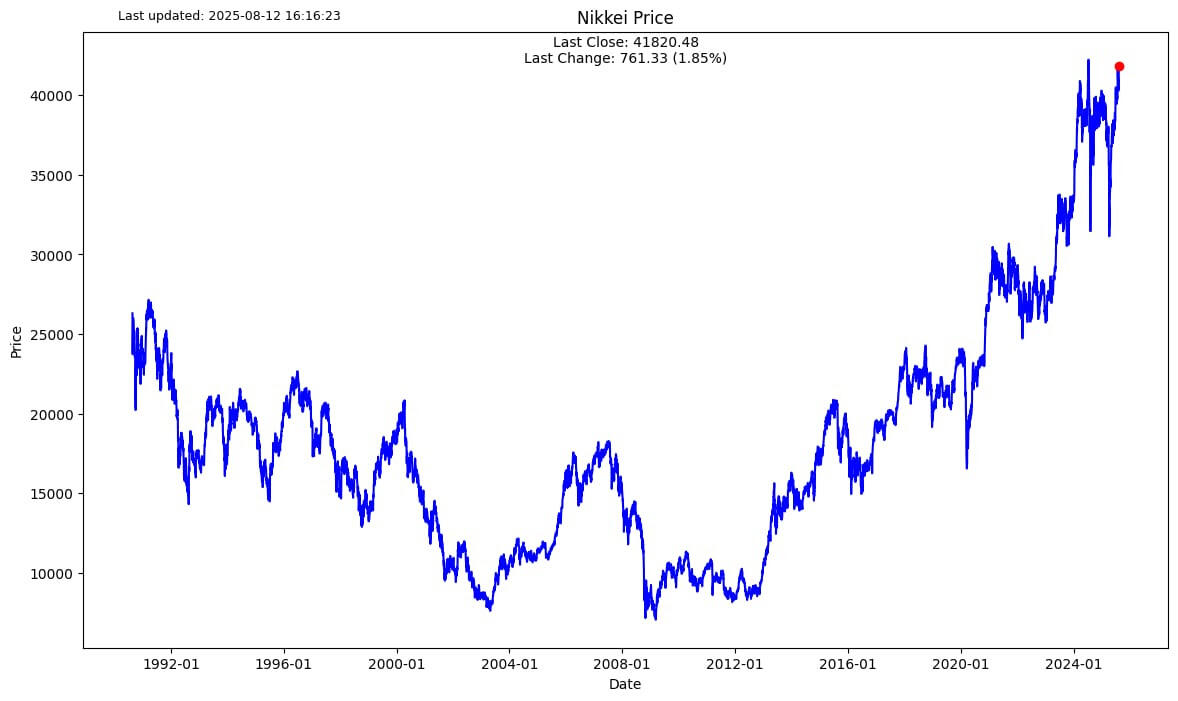
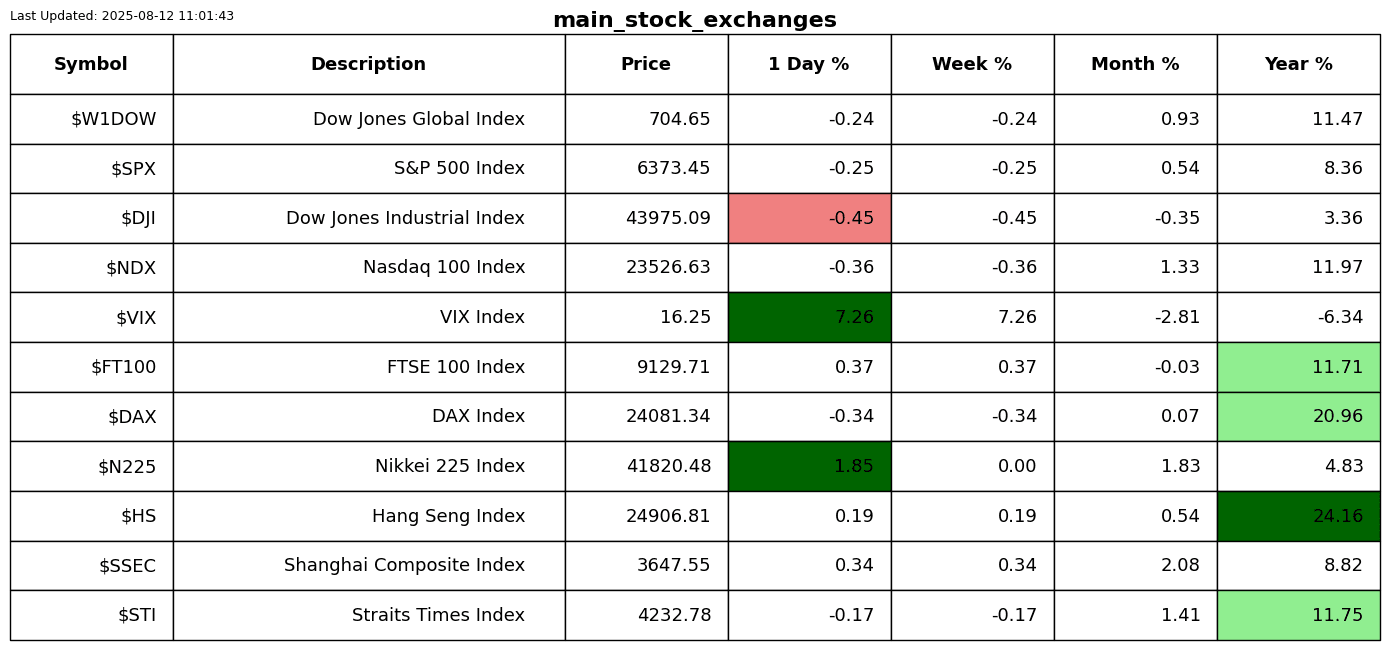
I should have waited until tomorrow when my system would pick it up, but the Nikkei has just made an ATH. This chart is showing yesterday’s close.
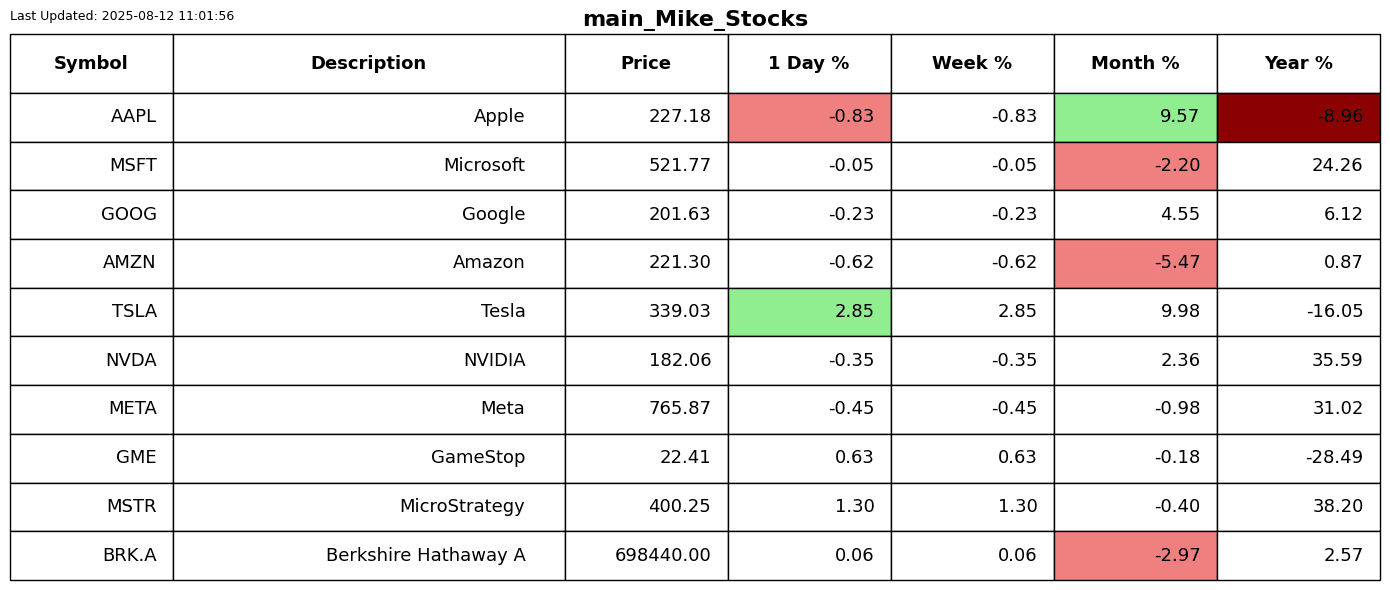
S2N performance review


S2N chart gallery
S2N news today
Author
Michael Berman, PhD
Signal2Noise (S2N) News
Michael has decades of experience as a professional trader, hedge fund manager and incubator of emerging traders.