Gold volatility and the Fed’s next chapter [Video]
![Gold volatility and the Fed’s next chapter [Video]](https://editorial.fxsstatic.com/images/i/gold-march-04.jpg)
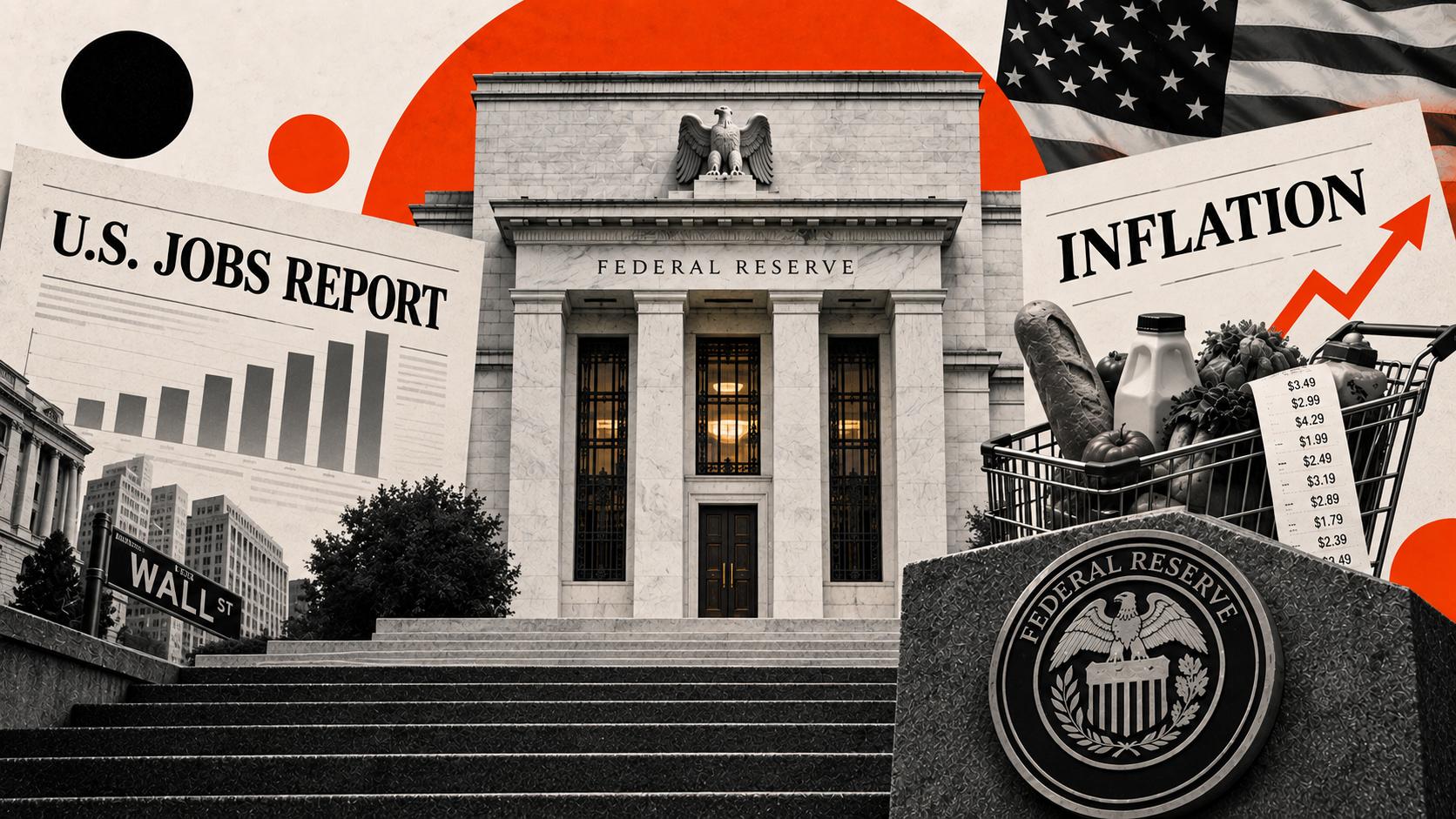
Gold’s sharp swings and a new Federal Reserve chair are not separate stories. In a recent episode of the Money Metals podcast, Mike Maharrey sat down with Axel Merk, President and Chief Investment Officer of Merk Investments, to connect the dots between market turbulence and what may be a structural shift at the Fed.
Merk oversees more than $4 billion in gold and gold miners. From that vantage point, he sees not just price action, but the flows and psychology behind it.
A brutal selloff in context
As of February 19, during market hours, gold was still up more than 15% year to date, even after suffering one of the sharpest down days in years.
Merk pushed back on the idea that the selloff signaled a fundamental change. Instead, he described a leverage-driven unwind. Over the past year, speculators have returned to gold after chasing meme stocks, SPACs, and crypto during the prior cycle. When they pile in with leverage, reversals can be violent.
The first wave, in his view, was healthy. Weak hands were shaken out. Margin calls and higher margin requirements amplified the decline. Yet despite the volatility, his open-end product experienced inflows on down days. Retail investors, he noted, were buying dips rather than capitulating.
Demand beneath the surface
There is a common narrative that gold’s strength has been driven mainly by Asian demand, with U.S. investors largely disengaged. Merk’s experience suggests something more complex.
Volume in his exchange-traded gold product has picked up meaningfully. Net flows have leaned toward buying. On the physical side, wholesalers who had seen activity slow months earlier are now so busy that some are brushing up against insurance limits on daily shipments.
Institutionally, generalist investors from large fund complexes are beginning to attend meetings with mid-tier and smaller mining companies. That does not guarantee capital inflows, but it marks a shift. Gold may still be a niche market, but the marginal buyer matters. Because the market is small relative to Treasuries or equities, even modest reallocations can drive significant price moves.
Debt goes mainstream
The backdrop to this volatility is fiscal deterioration. Merk pointed to a Wall Street Journal cover story discussing rising national debt-to-GDP projections from the Congressional Budget Office.
While the CBO’s forecasts are often off in magnitude, the direction is clear. Deficits remain enormous. Structural spending is untouched. There is no credible path to fiscal restraint.
Concerns that once lived on the fringe are now entering mainstream conversation. Investors who never identified as “gold bugs” are increasingly aware of long-term purchasing power risks. Gold does not need to rally every day for that shift to matter.
The $8,000 Gold debate
Responding to analysis from JP Morgan that floated an $8,000 gold scenario, Merk acknowledged the logic behind such projections.
If gold transitions from a crisis hedge to a more standard portfolio allocation, the impact could be dramatic. The precious metals market is small. Broad participation by so-called Main Street or large institutions would have outsized effects.
Merk noted that as early as 2005, he argued investors should diversify even their cash holdings. The erosion of purchasing power is gradual but persistent. Precious metals have remained a tool to hedge that risk across cycles.
Enter Kevin Warsh
The “next chapter” in the title becomes clearer with the appointment of Kevin Warsh as Federal Reserve Chair. Some observers blamed that announcement for gold’s selloff, arguing that Warsh would be more hawkish.
Merk disagreed. Rate-cut expectations did not materially change when Warsh was announced. The selloff, he argued, was driven more by leverage than by a sudden shift in policy outlook.
He described Warsh as a back-to-basics reformer. Warsh supported emergency measures during the 2008 crisis but resigned as a Fed governor when those measures were not unwound as he believed they should have been. He has criticized the Fed for facilitating deficits with prolonged zero-interest-rate policies and for drifting beyond core monetary policy into broader economic micromanagement.
At the same time, Warsh has spoken about a potential productivity boom. Interestingly, Jerome Powell began referencing productivity improvements in December, suggesting continuity rather than rupture. That continuity may explain why markets did not react violently.
Shrinking the balance sheet
Warsh has indicated interest in reducing the Fed’s balance sheet while allowing room for lower rates over time. Merk cautioned that the mechanics are complicated.
Both the Treasury and the Fed manage duration, creating inefficiencies. Swapping longer-duration bonds for T-bills could streamline operations but would not, by itself, shrink the balance sheet.
To truly reduce it, the Fed might need to move closer to its pre-2008 model, relying more heavily on open market operations to manage interest rates with a smaller footprint. The current system of paying interest on reserves, amounting to tens of billions of dollars annually, is politically sensitive.
Leadership matters, Merk argued. A chair who sets tone and expectations can influence communication strategy and internal discipline. Still, monetary policy cannot fix fiscal excess. At best, it can avoid amplifying it.
A personal Gold standard
Merk closed on a personal note that ties volatility and policy back to long-term strategy.
In 2003, he created a gold-based college savings plan, calculating how much gold to set aside annually to cover four years at an expensive university. Measured in gold, tuition effectively became cheaper over time.
Today, he owns several kilo bars, which he described as practical rather than glamorous. He also owns shares in a physical gold exchange-traded (gold ETF) product managed by his firm - Merk Investments.
For Merk, gold volatility and the Fed’s next chapter are interconnected. Market swings may grab headlines. Central bank leadership may shift. But the deeper story is about fiscal trajectory, monetary structure, and purchasing power over time.
To receive free commentary and analysis on the gold and silver markets, click here to be added to the Money Metals news service.
Author

Joshua D. Glawson
Money Metals Exchange
Joshua D. Glawson is a writer on such topics as philosophy, politics, economics, finance, and personal development. He graduated with a Bachelor in Political Science from the University of California Irvine. His website is JoshuaDGlawson.com.