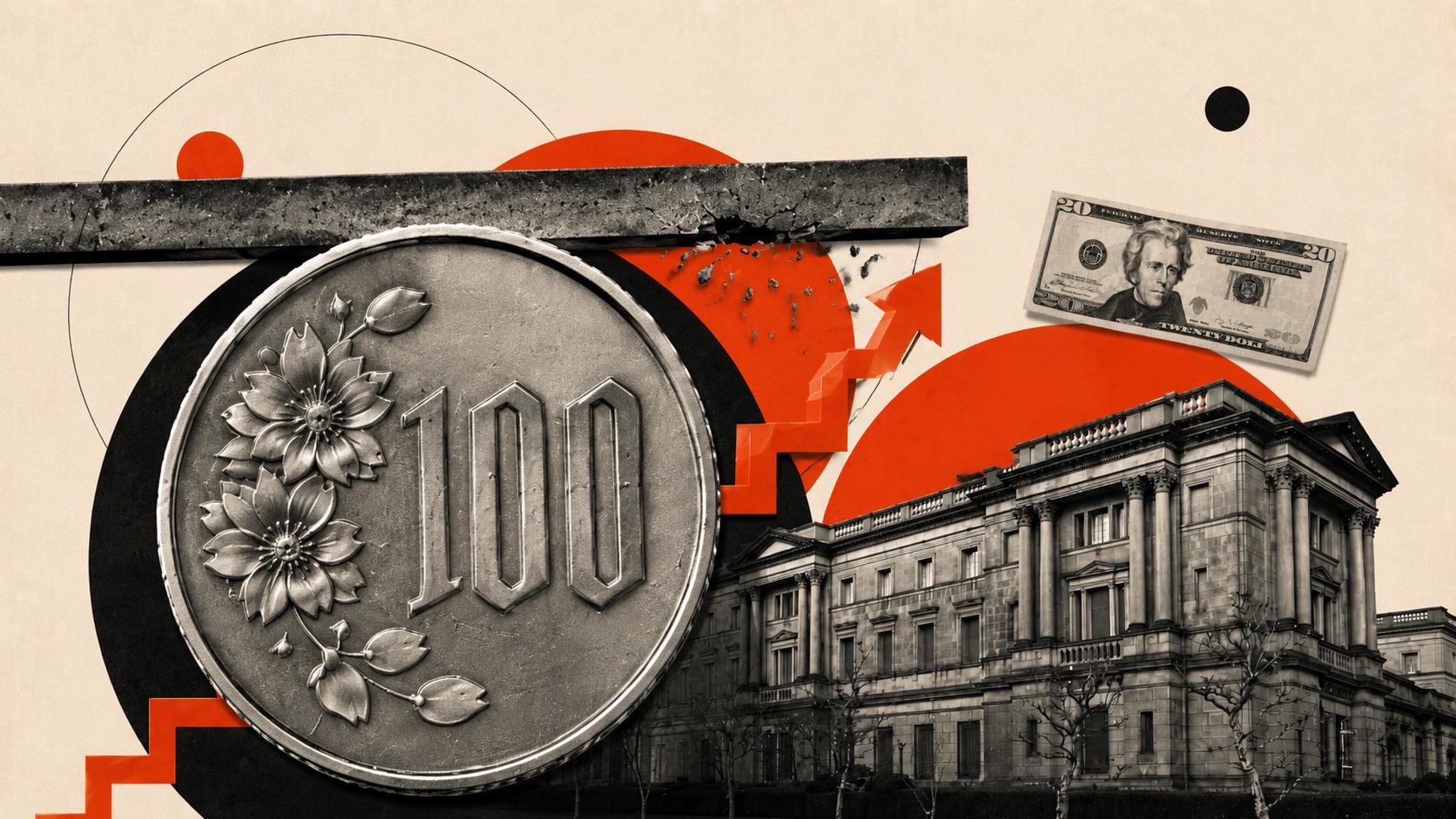
Ghana develops Yuan-based payment system to bypass US Dollar

Ghana has developed a yuan-based system to pay for eligible Chinese imports using Ghanaian cedis, bypassing the U.S. dollar.
Officials say Stanbic Bank Ghana is piloting a cedi-to-yuan payment system. Ghana Commercial Bank is reportedly developing a similar service.
China’s Cross-Border Interbank Payment System (CIPS) is processing the payments. According to Business Insider Africa, it enables “direct yuan payments from cedi accounts.”
Bank of Ghana Governor Dr Johnson Pandit Asiama unveiled the new payment system at a recent press briefing, saying it is already up and running.
“As we speak, if you want to buy anything from China, just go to Stanbic Bank with your cedis. You are able to do that.”
China accounted for about 22 percent of Ghanaian imports in 2024.
Notably, Ghana ranks as Africa's top gold producer. Business Insider Africa headlined its report on the new yuan payment system, "Africa's gold powerhouse bypasses US dollar to clear trade with China."
Asiama said the central bank wants to facilitate payments between Ghanaian importers and Chinese suppliers without requiring local businesses to source dollars first.
Stanbic Bank Ghana CEO Kwamina Asomaning said CIPS provides a “more direct payment route to Chinese counterparties.”
“With CIPS, businesses can access a more direct payment route to Chinese counterparties, reducing the need for U.S. correspondent or intermediary banks.”
As Business Insider Africa described the system, “Businesses can initiate eligible yuan payments from their Ghana cedi accounts, meaning they do not necessarily need to maintain a yuan-denominated account. Customers select Chinese yuan as the payment currency and submit the required documentation.”
Central bank officials emphasized the new payment mechanism will not replace the dollar-based SWIFT system. SWIFT will continue to facilitate payments in dollars, euros, and pounds. However, it does open a yuan-based alternative.
Many countries are looking for ways to minimize their dependence on the dollar. U.S. weaponization of the dollar as a foreign policy tool has made them wary of relying solely on greenbacks. They saw how the U.S. and its Western allies locked Russia out of SWIFT after the invasion of Ukraine and took that as a warning.
While the new payment system will only process a small number of transactions and won't threaten dollar dominance, it reflects accelerating global de-dollarization. And even a modest drop in demand for dollars could become very problematic for the United States.
The United States depends on the global demand to underpin its bloated government. De-dollarization threatens an inflation tsunami as those unwanted dollars make their way back to the U.S.
The dollar’s role as the world's reserve currency is the only reason the U.S. can borrow, spend, and run massive budget deficits to the extent it does. It creates a built-in global demand for dollars and dollar-denominated assets. This absorbs the Federal Reserve’s money creation and helps maintain dollar strength despite the Federal Reserve’s inflationary policies.
But what happens if that demand drops?
A de-dollarization of the world economy could cause a dollar glut. The U.S. currency could further depreciate. At the extreme, global de-dollarization could spark a currency crisis. You and I would feel the impact through higher price inflation, eating away at the dollar's purchasing power. In the worst-case scenario, it could lead to hyperinflation.
To receive free commentary and analysis on the gold and silver markets, click here to be added to the Money Metals news service.
Author

Mike Maharrey
Money Metals Exchange
Mike Maharrey is a journalist and market analyst for MoneyMetals.com with over a decade of experience in precious metals. He holds a BS in accounting from the University of Kentucky and a BA in journalism from the University of South Florida.