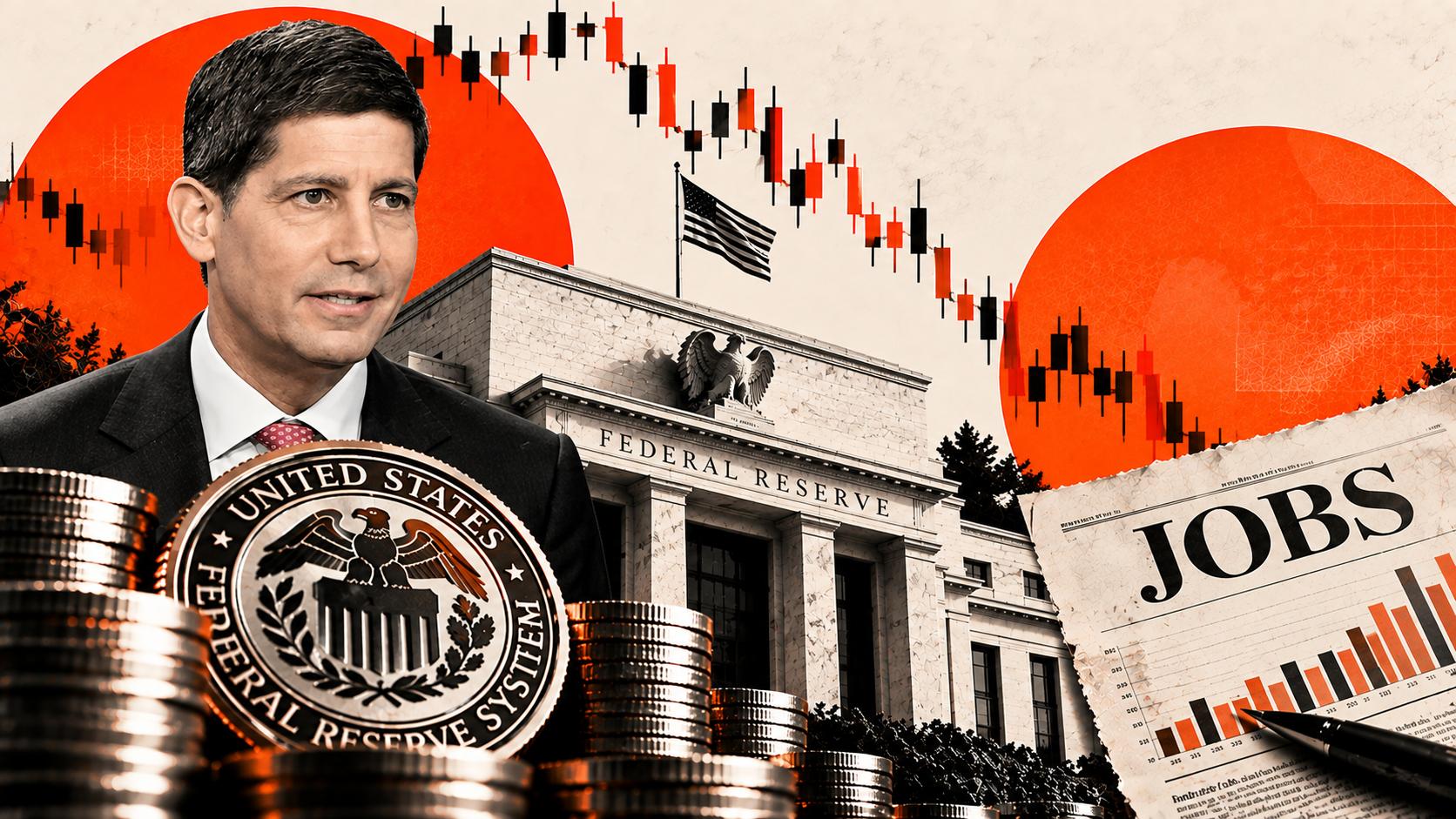
Gary Cohn Resigns as Trump’s Chief Economic Advisor

Markets are in risk-off mode this morning, as news broke just after the US market close yesterday that Presidents Trump’s Chief Economic Advisor, Gary Cohn, resigned after a clash with the president due to the implementation of trade tariffs. Cohn was an advocate of free trade and his resignation will dent market confidence in the administration. This leaves an imbalance in the administration, with an unopposed cadre of officials supporting trade tariffs, which could lead to a trade war developing as protectionist policies take hold. USDJPY sold off to 105.500, S&P500 sold off to 2680.00 and the Dow moved down to 24500.00.
Swiss Consumer Price Index (MoM) (Feb) was 0.4% v an expected 0.2%, from -0.1% previously. Consumer Price Index (YoY) (Feb) was as expected at 0.6%, from 0.7% previously. USDCHF sold off from 0.91425 to a low of 0.93936 following this data release. This data suggests that inflation is picking up on a monthly basis.
US Factory Orders (MoM) (Jan) was -1.4% v an expected -1.3%, from 1.7% previously, which was revised up to 1.8%. EURUSD moved higher from 1.23950 to 1.24090 on the release of this data. The range of the data over the last three years has been between +3% and -3.5%. This release showed a slip in the headline number but the revision last month was raised by the same amount.
Canadian Ivey Purchasing Managers Index s.a.(Feb) data was released and came in at 59.6 with a consensus of 56.3 expected, against a prior reading of 55.2. Ivey Purchasing Managers Index (Feb) was released at 58.4, with a prior reading of 51.3. USDCAD moved lower from 1.29052 to 1.28745. The headline number exceeded expectations, hinting at a strong economy for Canada and was a turnaround compared to the last two months, where the data missed to the downside.
Australian RBA Governor Phillip Lowe delivered a speech titled “The Changing Nature of Investment” at the Australian Finance Review Business Summit, in Sydney. Some of the comments made were: Expect stronger growth in 2018 than in 2017 and a further reduction in unemployment. The Australian economy is moving in the right direction and he expects inflation to increase a little from its current low level. It is likely that the next move in interest rates will be up not down, however, there is no need for a change in policy adjustment. The AUDNZD moved up from 107.243 to 107.372 after the comments. It then declined to 106.887 in the three hours following.
US FOMC Member Brainard is delivered a speech titled “Economic and Monetary Policy Outlook” at New York University’s Money Marketeers event. She made the following comments: In relation to Trade wars, she said that there is uncertainty but it is too early to tell and the economic outlook has not changed. She said that material developments in international trade would be taken into account. She also said, in relation to leverage: household leverage remains relatively modest and credit spreads have been very tight, with leverage in the core banking system well contained. On rate hikes: continued gradual Fed rate hikes are likely warranted and global factors were impacting the long end of the yield curve. She said there was greater confidence that inflation will rise to the 2% target. On risks she said that persistently low inflation raises the risk that underlying prices have softened and falling unemployment raises the risk of financial imbalances; it is unclear how much labour slack remains. All in all, her comments were less dovish than usual but show that she is sticking with gradual rate hikes while watching the data for clues.
Australian AIG Performance of Construction Index (Feb) was released at 56.0 with a previous number of 54.3. This data point has remained in expansion above 50 since the March 2017 reading in what is the longest period of growth over the last decade. The peak was reached in August 2017 at 60.6. This shows a strong construction sector in what has been a difficult time of year historically for this data set.
Australian GDP (YoY) (Q4) was 2.4% against 2.5% expected, from 2.8% previously. Gross Domestic Product (QoQ) (Q4) was 0.4% v an expected 0.6%, with a prior 0.6%. AUDUSD moved higher from 0.77715 to 0.78093 as the data missed to the downside, showing a weakness in the Australian economy.
EURUSD is up 0.17% overnight, trading around 1.24246.
USDJPY is down -0.50% in early session trading at around 105.603.
GBPUSD is up 0.11% this morning, trading around 1.38993.
Gold is down -0.10% in early morning trading at around $1,333.58.
WTI is down -0.47% this morning, trading around $61.96.
Author

Team FxPro
FxPro
FxPro is a UK headquartered online broker providing contracts for difference (CFD) on foreign exchange, shares, futures and precious metals primarily to retail clients.