FX daily: More insights into the Fed this week

Thursday's release of a softish June jobs report hasn't done too much damage to the dollar. And it should remain relatively supported this week, given what should be a hawkish set of FOMC minutes on Wednesday and a dearth of market-moving US data this week. USD/JPY can continue to grind higher too, keeping intervention fears elevated.
USD: Upside risks remain
US markets are reopening after a long weekend, and FX markets are relatively quiet. G7 FX volatility is close to the lower end of long-term ranges and will be encouraging more interest in carry trades as we head into the heart of summer. Here, one-week dollar deposit rates are in the top half of the G10 table and are a reminder that short dollar positions need to be backed up by a strong story, which is simply not there at the moment.
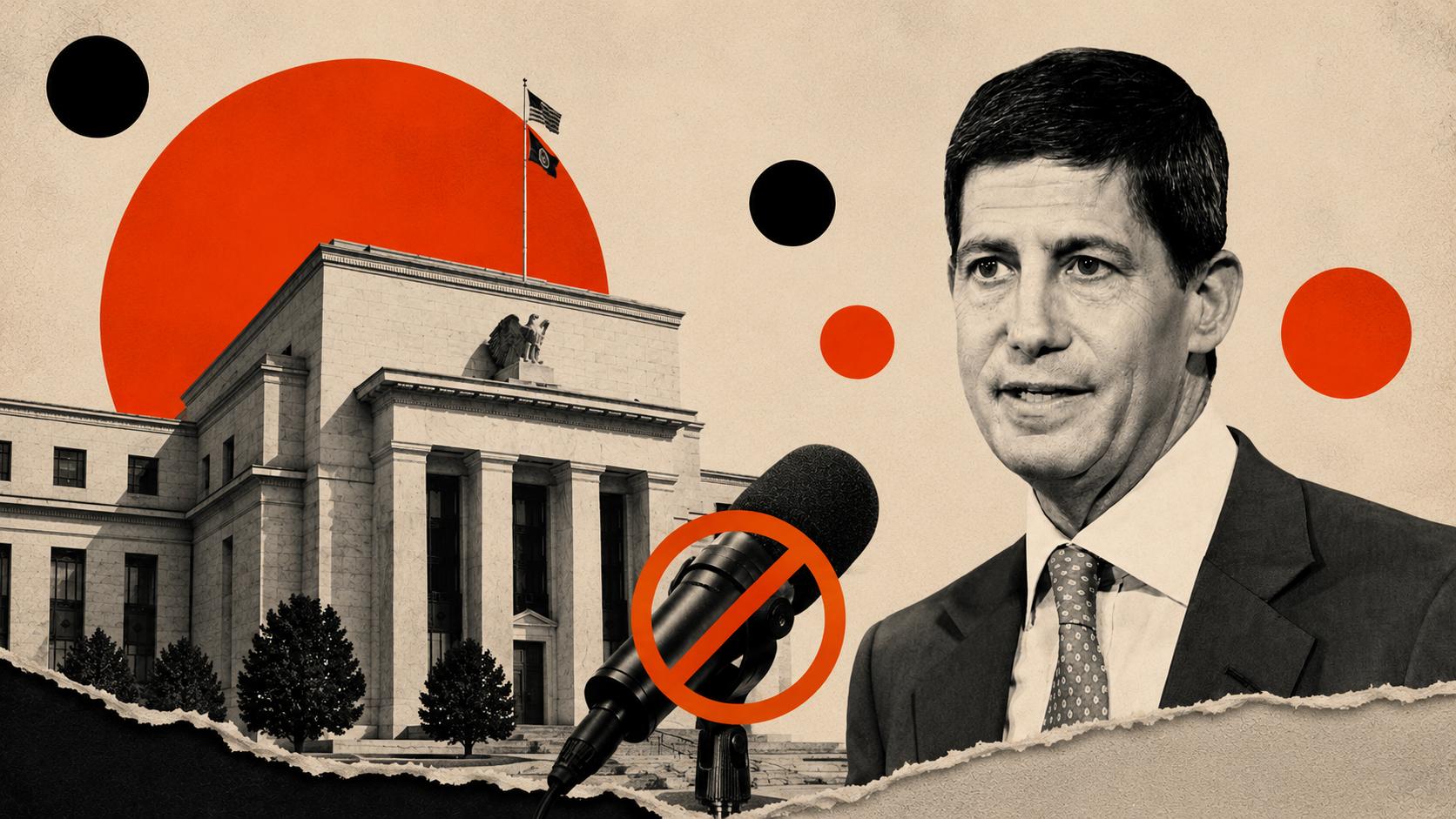
Additionally, last week's soft US jobs data release has not done too much damage to the dollar, where short-dated US rates have largely held onto their increase from April. Money markets are now pricing 31bp of Federal Reserve tightening this year versus the peak hawkishness seen late last month of 43bp of tightening. On the subject of the Fed, this Wednesday will see the first set of FOMC minutes released under Chair Kevin Warsh's leadership. Like the new-look FOMC statement, these could be sharply slimmed down. However, the core message should be a hawkish one, where the Fed is committed to restoring price stability after missing its target five years in a row, and some (or many) members could see the Fed's next move as a rate hike.
At the same time, the dollar seems to have dodged the bullet of large-scale Japanese FX intervention. USD/JPY is already back at 162 after a no-show from the Bank of Japan in holiday-thinned conditions last week. This could be a reminder that Tokyo wants to use its finite FX reserves cautiously. The next window for intervention could be 16-17 July – ahead of the next public holiday in Japan.
For today, the focus will be on the US June ISM services numbers, where activity should remain consistent with 2% US growth, but the prices paid component should come off its four-year high.
DXY support at 100.60 should hold today, with a bias for an upwards drift.
EUR: Plenty of ECB speakers this week
EUR/USD is consolidating above 1.1400 as the market considers the next move for central bank policy expectations and keeps one eye on geopolitics and equity market sentiment. A September rate hike from the European Central Bank is now priced with less than a 50% probability, but it is too early for the ECB to sound the 'all-clear' on inflation, given the risk that core inflation could still edge higher over the coming months. Expect that message to come through from ECB speakers this week, including heavy hitters such as Isabel Schnabel and Philip Lane.
As above, we can see the dollar edging a little higher this week on the Fed story and would assume that EUR/USD resistance at 1.1475 now limits the topside. We have a bias that EUR/USD can stay offered in the 1.13/14 area until it becomes much clearer that the Fed does need to hike rates after all. That is the house view, but it may not become clearer until the end of the quarter.
GBP: Focus on the next chancellor
EUR/GBP delivered a sizeable downside breakout last week, which should be respected. Helping that move were stale sterling shorts and a view that if volatility was falling this summer, there was no point in paying away 2% per annum in carry by being short sterling if FX pairs were going to remain relatively static. It is hard to see that mindset being challenged this week.
However, later this month UK politics will return to the market, where Makerfield MP Andy Burnham could become Prime Minister on 20 July and announce his new chancellor shortly thereafter. The favourite for the post of chancellor is Energy Secretary Ed Miliband, who stands further to the left and is being pushed by the party to avoid the incrementalism witnessed during the Starmer/Reeves years. The problem remains, however, that there is very little fiscal room for adjustment without raising taxes. This, along with our call that the Bank of England does not raise rates this year, could see sterling hand back some of its recent gains.
Let's see if EUR/GBP support at 0.8545 can hold before politics returns to play a role in markets later this month.
CEE: Dovish local signals to test FX gains
Weaker US labour data and a softer dollar gave CEE currencies some breathing room last week, shifting this week’s focus back to local drivers. June inflation figures for Hungary and the Czech Republic are due tomorrow. After the downside surprise in Polish inflation last week and the sharp fall in fuel prices, markets are positioned for soft prints. In Hungary, we expect headline inflation to edge up from 1.8% to 1.9%, below the National Bank of Hungary’s 2.0% forecast. In the Czech Republic, inflation should fall further from 2.1% to 1.9%, below the Czech National Bank’s 2.1% projection. Both readings should send a dovish signal to markets.
A similar message is likely from the National Bank of Poland, which is expected to leave rates unchanged at 3.75% on Wednesday and publish a new forecast. While the projection should show higher inflation than in March, when the impact of the US-Iran conflict was not included, the press conference is likely to sound dovish after two consecutive downside inflation surprises. The week will also bring several industrial production and retail sales releases across the region.
A softer dollar supported a rally in CEE FX last week, and positive sentiment should carry into this week. However, lower inflation prints in Hungary and the Czech Republic, together with a dovish tone in Poland, could weigh on local FX. Following the drop in oil prices, markets may question the rate hike priced into the Czech market, while the zloty and the forint continue to price cuts. In the short term, CEE FX may face some pressure, but the medium-term bias remains unchanged: bullish CZK and HUF, bearish PLN.
Author

ING Global Economics Team
ING Economic and Financial Analysis
From Trump to trade, FX to Brexit, ING’s global economists have it covered. Go to ING.com/THINK to stay a step ahead.