|

Four reasons for current AUD weakness to continue
1. Global sentiment worsens

The AUD is a commodity based currency and when global sentiment drops, so does the demand for commodities like Iron Ore, copper, and coal. These are key Australian exports. Worsening global sentiment the less demand that is anticipated for Australia’s key exports.

2. China’s zero-COVID-19 policy

The majority of Australia’s Iron ore exports go to China. A growing, flourishing China means the AUD lifts too. China is struggling after its latest COVID lockdowns, maintains a COVID zero policy and this is a drag on the AUD. China is not expected to hit its GDP target for this year and there are wider questions about its shift to a ‘common prosperity’ stance in a rejection of some Western free market values.

3. COT data show AUD short positioning build

Yes, the RBA are expected to hike rates, but leveraged funds increased their shorts again in the last CFTC report. So, leveraged funds and asset managers have now kept short positions on the AUD going for the last 15 weeks. Remember the RBA are now less hawkish shifting to a meeting by meeting basis.
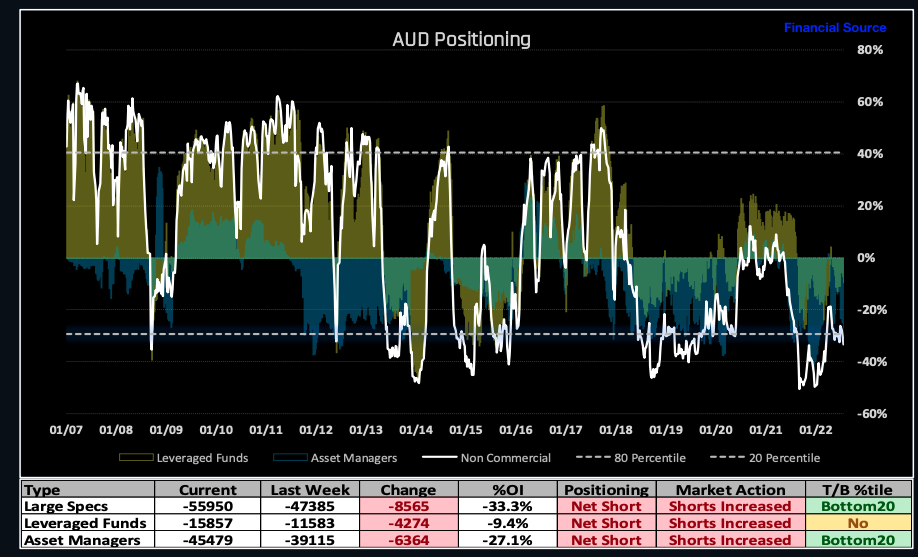
Chart

4. Fed 75bps hike back on

July’s NFP jobs print was very strong and increased expectations of the Fed hiking by 75 bps in September. This strengthened the USD and brings down the AUDUSD pair as well as commodity prices. Another factor weighing on the AUD.

The takeaway?

If the RBNZ maintain a hawkish, hiking stance (diverging from the latest RBA decision) when they meet on August 17, then watch for AUDNZD falls. Key resistance level is marked. However, this outlook is not very likely as the RBNZ is likely to follow the RBA and turn more bearish.
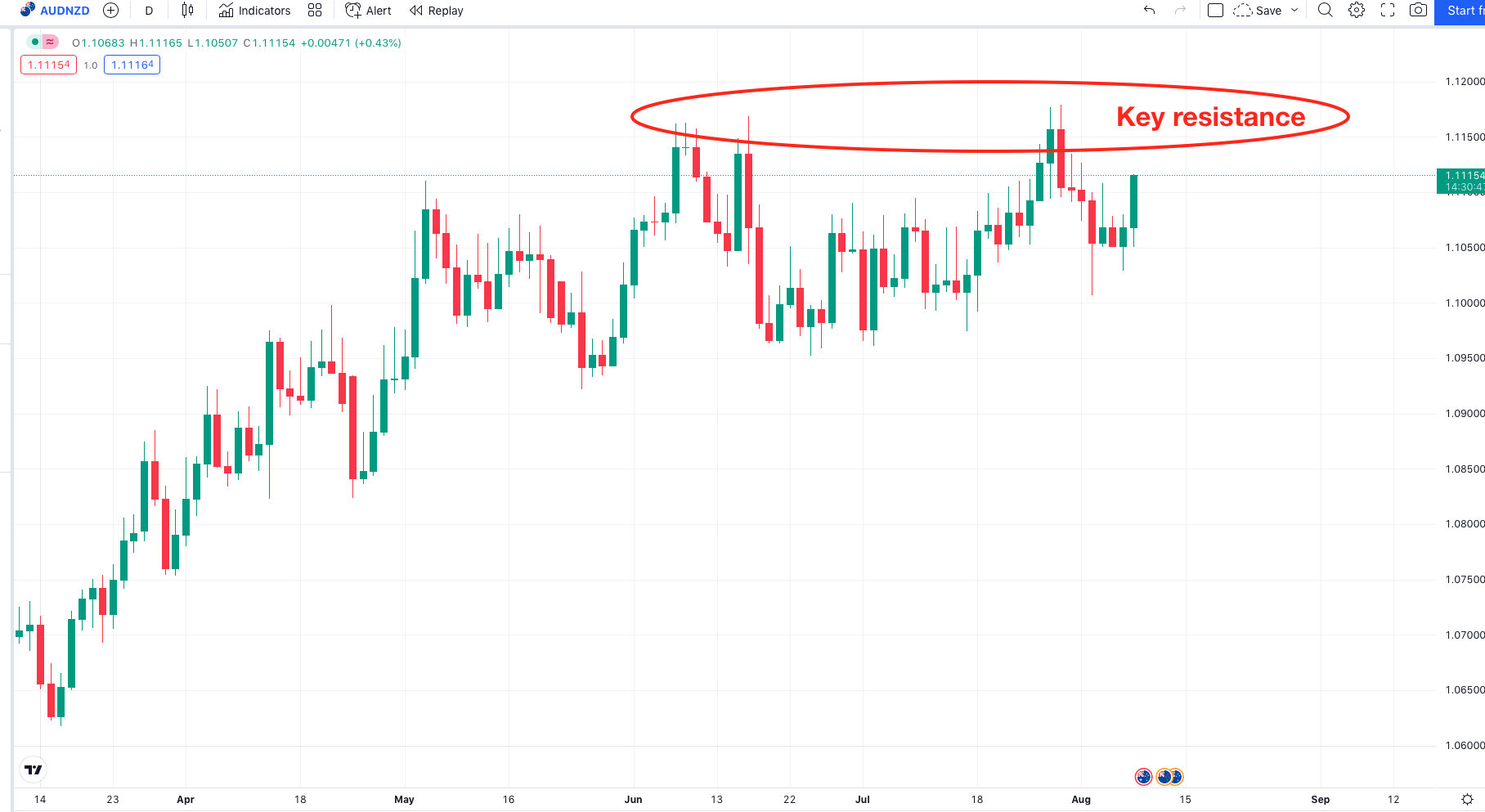
AUDNZD

Learn more about HYCM


Author

Giles Coghlan LLB, Lth, MA

Giles is the chief market analyst for Financial Source. His goal is to help you find simple, high-conviction fundamental trade opportunities. He has regular media presentations being featured in National and International Press.


More from Giles Coghlan LLB, Lth, MA
Share:

Editor's Picks

EUR/USD hits two-day highs near 1.1820

EUR/USD picks up pace and reaches two-day tops around 1.1820 at the end of the week. The pair’s move higher comes on the back of renewed weakness in the US Dollar amid growing talk that the Fed could deliver an interest rate cut as early as March. On the docket, the flash US Consumer Sentiment improves to 57.3 in February.

GBP/USD reclaims 1.3600 and above

GBP/USD reverses two straight days of losses, surpassing the key 1.3600 yardstick on Friday. Cable’s rebound comes as the Greenback slips away from two-week highs in response to some profit-taking mood and speculation of Fed rate cuts. In addition, hawkish comments from the BoE’s Pill are also collaborating with the quid’s improvement.

Gold climbs further, focus is back to 45,000

Gold regains upside traction and surpasses the $4,900 mark per troy ounce at the end of the week, shifting its attention to the critical $5,000 region. The move reflects a shift in risk sentiment, driving flows back towards traditional safe haven assets and supporting the yellow metal.

Crypto Today: Bitcoin, Ethereum, XRP rebound amid risk-off, $2.6 billion liquidation wave

Bitcoin edges up above $65,000 at the time of writing on Friday, as dust from the recent macro-triggered sell-off settles. The leading altcoin, Ethereum, hovers above $1,900, but resistance at $2,000 caps the upside. Meanwhile, Ripple has recorded the largest intraday jump among the three assets, up over 10% to $1.35.

Three scenarios for Japanese Yen ahead of snap election

The latest polls point to a dominant win for the ruling bloc at the upcoming Japanese snap election. The larger Sanae Takaichi’s mandate, the more investors fear faster implementation of tax cuts and spending plans. 

XRP rally extends as modest ETF inflows support recovery

Ripple is accelerating its recovery, trading above $1.36 at the time of writing on Friday, as investors adjust their positions following a turbulent week in the broader crypto market. The remittance token is up over 21% from its intraday low of $1.12.














