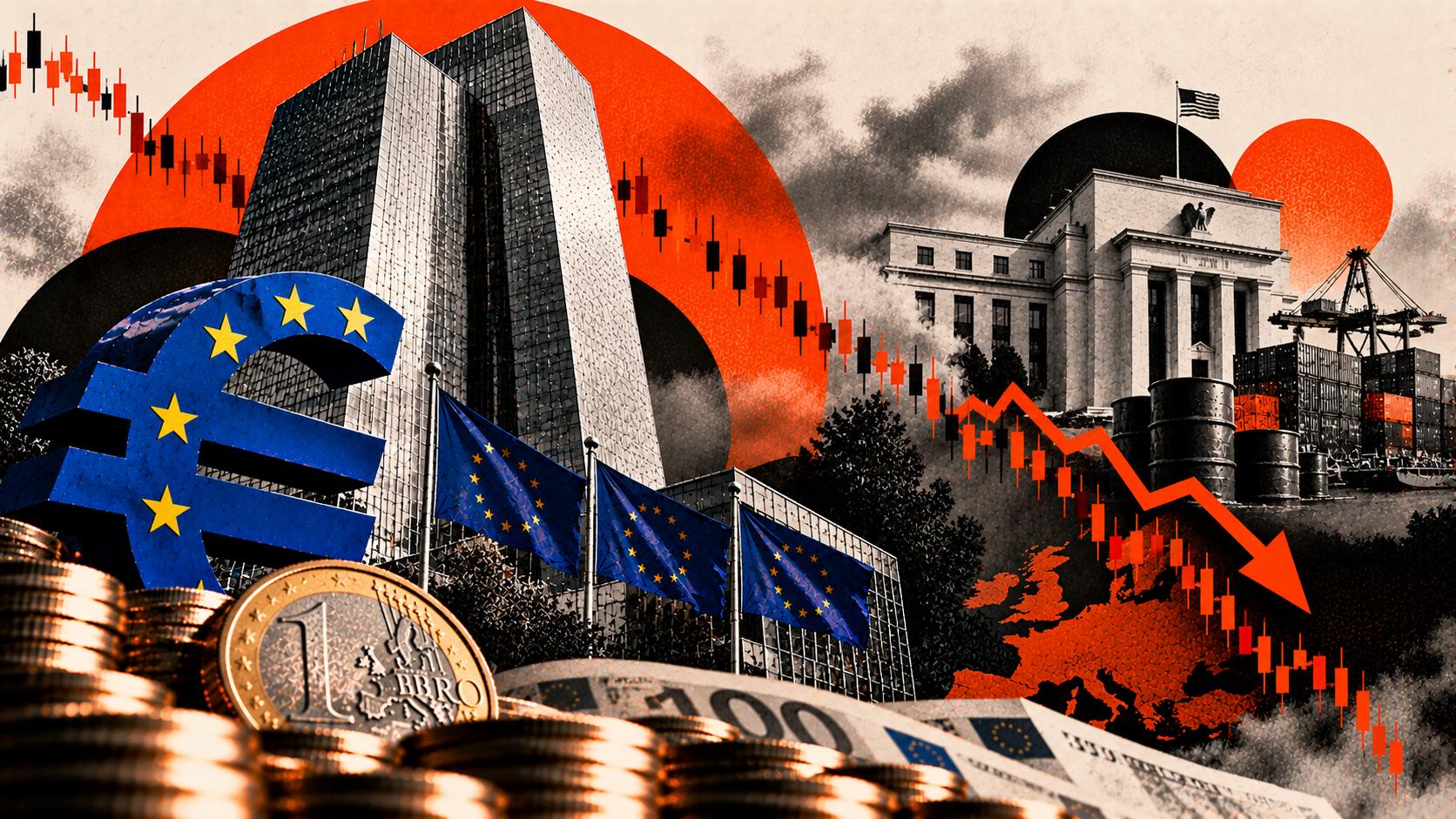
Forex: Bessent and the “ 3-3-3”
Trump’s cabinet continues to evolve with an unexpected twist, marked by the appointment of Scott Bessent, another former Democrat and protégé of the liberal titan George Soros, as the Treasury Secretary. The Bessent appointment is an intriguing move that underscores Trump's willingness to blend diverse economic and political views within his administration, demonstrating a complex and strategic approach to governance. And tell me this move doesn’t drip with irony.
This news may become a footnote tomorrow as the financial press focuses on a critical batch of U.S. economic data. The highlight of this data deluge is the October report on personal income and spending, alongside the latest updates on PCE prices. Core inflation is expected to rise by 0.3% month-on-month—persistently hovering above the Fed's comfort zone.
Yet, the market is growing weary of these ongoing inflationary pressures, with the Federal Reserve showing a tepid commitment to aggressive inflation containment in its final stretch. This scenario sets the stage for potentially extended pauses on rate cuts, possibly as soon as the December or January meetings, depending on how upcoming inflation figures play out. And, of course, renewed dollar vigour on a hot print.
Attention will also be keenly set on the release of the November FOMC minutes this Tuesday. Financial analysts and traders alike are eager to glean insights on how the Fed might respond to Trump's re-election and the prospective economic implications of his trade policies. While the minutes will likely maintain the Fed's cautious stance with a classic 'wait and see' approach, they could open discussions on the economic implications of heightened trade tensions anticipated in 2025. As the markets brace for these updates, the overarching narrative remains one of strategic caution, with the Fed holding back any drastic policy shifts until a clearer picture emerges from the Whitehouse.
Forex market
I haven't had a chance to connect with my FX colleagues today to gauge their moves, but my hunch is that everyone's still riding the long dollar wave, albeit with some tweaks. I've heard through the grapevine that some heavy hitters in London have nudged their short EURUSD stops down to around 1.0625 on Friday( I think this is more about protecting profits into year-end) .
Nonetheless, the EUR/USD has seen a notable bounce from its Friday low of 1.0335. The initial sell-off may have been driven by a combination of stop losses and option barriers breaking down—anecdotal chatter making the rounds.
Despite the ongoing economic and political turmoil in Europe, the euro saw a modest "Bessent Bounce" in Asia due to short covering. However, with EU confidence data expected to take a significant dive in the plunge tank this week, the euro is likely to follow suit. This data could further tilt the scales toward a 50 basis point rate cut by the European Central Bank (ECB) in December.
Still, try not to “ overthink” this trade. The prevailing trend for EUR/USD is staunchly bearish, and we're gearing up for possibly steeper descents as the year winds down, even in the face of typically supportive seasonal trends. Moving forward, anticipate a roller-coaster pattern dominated by natural year-end corporate buying flows that might clash with interbank sellers, resulting in brief rallies before succumbing to new lows.
While the dollar has softened on the news of Scott Bessent's pick, this dip is unlikely to persist. Today's trading patterns in USDCNH and USDJPY indicate that Asian traders doubt the Bessent "soft touch."
Bessent's strategic vision for the US economy, outlined in his recent dialogue with the WSJ, focuses on preserving the US dollar's hegemony as the global reserve currency. His blueprint, dubbed the " 3-3-3" policy, is a bold maneuver aimed at reshaping America's economic landscape: slashing the budget deficit to just 3% of GDP by 2028, ramping up real GDP growth to a brisk 3% via sweeping deregulation, and boosting oil production by a staggering 3 million barrels daily. This audacious strategy is designed to stabilize and supercharge the US dollar, enhancing its allure and affirming its dominance on the world stage.
Author

Stephen Innes
SPI Asset Management
With more than 25 years of experience, Stephen has a deep-seated knowledge of G10 and Asian currency markets as well as precious metal and oil markets.