FOMC: Take two, why now matters more than when
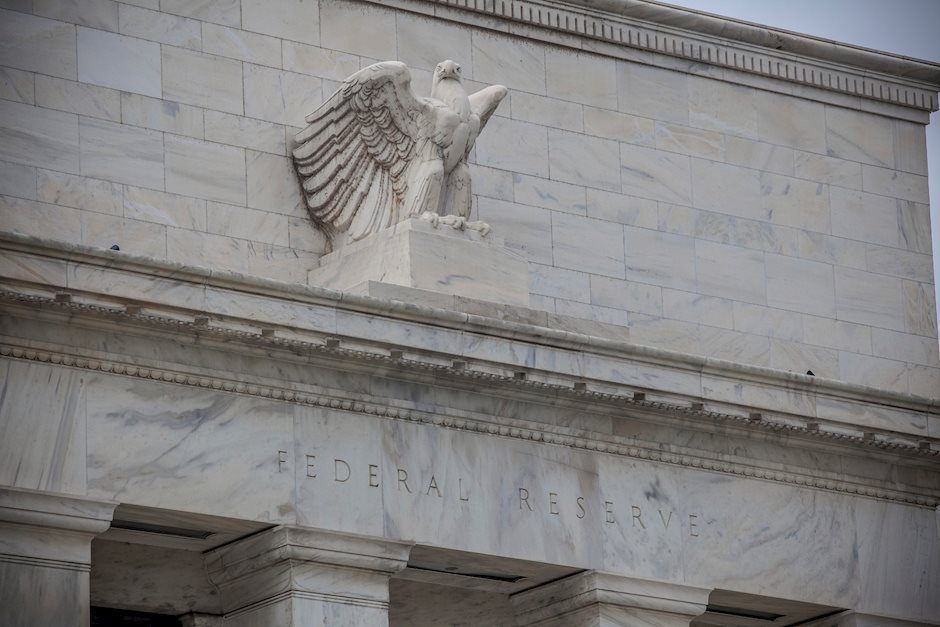

After all the buildup, the Fed delivered precisely what the market was clamouring for—a 50bps rate cut. Yet the market’s response was anything but euphoric, signalling that the move was just right: not too excessive to pump up risk assets recklessly, but also not so meek as to fail in easing recession fears.
The price action painted a stark picture—a cold splash of reality for traders hoping for a fast-paced rate-slashing spree. It’s clear now that quicker, more aggressive cuts aren’t on the Fed’s radar just yet, and the first cut might indeed be the deepest. The mood in the room is tense, with traders nervously chewing over the cloudy narrative as they try to outmaneuver what feels like an ongoing game of monetary policy chess.
Beyond the rate cut itself, the real message emerged through the statement, dot plot, economic projections, and Chair Powell’s presser. The focus has now decisively shifted to the labour market, and there’s a sense that the Fed is trying to strike a better balance between jobs and inflation.
But the million-dollar question remains: is the rising unemployment rate just a healthy reset for the labor market, or the first sign of a more troubling downturn? Traders are left pondering whether these weaker jobless numbers are just a bump in the road or a warning of something bigger lurking beneath the surface.
Interestingly, the decision for a 50bps cut wasn’t as unanimous as Powell might have led us to believe. Governor Michelle Bowman dissented, calling for just a 25bps cut—the first time a Fed Governor has dissented on rate cuts since 2005. And with 9 out of 19 Fed members expecting only 25bps or fewer cuts for the rest of the year, it’s clear not everyone in the room was not sold on the need to go big.
Meanwhile, the sell-off in U.S. rates, coupled with falling equities and a stronger dollar, suggests markets may have gotten ahead of themselves, pricing in too many cuts too quickly. What’s clear is that the "why" behind any future Fed cuts will matter far more than the "when." The looming question of growth and recession fears will take center stage in the coming months. Traders, beware—this game is far from over.
Author
Stephen Innes
SPI Asset Management
With more than 25 years of experience, Stephen has a deep-seated knowledge of G10 and Asian currency markets as well as precious metal and oil markets.

















