Fed doves in charge before Friday’s all-important official jobs data
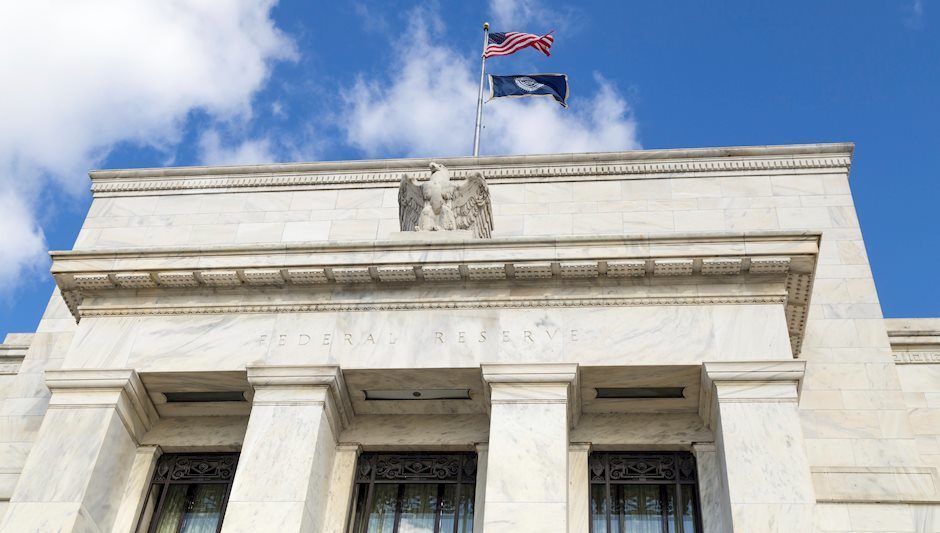

Federal Reserve (Fed) President Jerome Powell said that the Fed has made ‘quite a bit of progress’ on inflation and investors didn’t need more to jump back on the back of a bull. The S&P500 closed at a record high again, while Nasdaq 100 hit the 20’000 mark for the first time in history.
Tesla shares jumped 10% yesterday after the company reported a smaller decline in quarterly sales than expected. In numbers, Tesla deliveries fell almost 5%m and they fell for the second quarter in a row, and not around 5.8% that analysts were looking for. I understand that a smaller than expected drop in deliveries leads to a price correction but 10% jump seems a bit overdone. Bloomberg reported that deliveries from Tesla’s Shanghai factory fell 24% despite aggressive price cuts in China which stands for about a quarter of its market share. We don’t know how much of the Shanghai deliveries are delivered to China, but overall, the news was not good enough to trigger such enthusiasm. Tesla sales accounted for about 50% of EV cars sold as of May, down from 62% a year ago, whereas its competitors like BMW, Ford, Hyundai, Kia, Mercedes and Rivian boosted their sales by 50% or more. The growing competition will likely continue to squeeze Tesla’s advance in the EV space, unless the company finds something new to rely on. The supercharger business was a promising cash cow but Elon Musk decided to exit it. The robotaxis seem to be the next big thing at Tesla, but we are far from mass adoption that could boost profits in a significant manner in the foreseeable future. On the contrary, the robotaxi project will more likely boost spending first than boost profits. Price-wise, Tesla is now in the overbought territory, meaning that the shares have been bought too fast and in a too short period of time and a downside correction would only be healthy until the company announces earnings in about 20 days and gives more details on its robotaxi plans on August 8.
Data watch
Job openings in the US rose along with economic optimism but job openings in the private sector for example rose only 42K after falling nearly 500K in March and nearly 400K in April, so the aggregate 3-month average still showed a steep decline in job openings. There is also this new idea that the US jobs market is at an inflection point and that fewer openings will likely lead to a faster rise in the unemployment rate. Due today, the ADP report is expected to print 163K new private job additions in June. We will also have a look into the weekly jobless claims data today as the US will be closed due to July 4th holiday tomorrow. A sufficiently soft data should keep the Fed doves in charge before Friday’s all-important official jobs data.
In Europe, news were mixed as well. Headline inflation eased to 2.5% in June but core inflation remained steady at 2.9%, disappointing those who were expecting a decline to 2.8%. The lack of progress on the core inflation front gave reason to Lagarde’s cautious tone earlier this week regarding the progress toward the bank’s 2% inflation target. And the rising oil prices – which jumped 15% since the June dip – will likely cause some headache in the coming months. The barrel of US crude advanced to almost $85pb yesterday after the latest API data showed a 9-mio barrel fall in weekly inventories last week, versus a 150’000 fall expected by analysts.
The EURUSD trades rangebound within 1.07 and 1.0750 range. The French political shenanigans remain in the headlines and should limit the topside potential into the second round of the legislative election this weekend. Sellers will likely sell into and above 1.0750 while buyers could buy into 1.07 on hope that the Le Pen majority worries are overdone and that the French will successfully prevent her from gaining an outright majority in the Parliament. In all cases, we won’t have a clearer picture on the euro’s next direction before next Monday.
In Japan, the yen continues its race to the bottom. The USDJPY is gently trending toward the 162 level, but the direct intervention risks keep the bears contained. Otherwise, shorting the yen would be one of the most obvious trades out there. Therefore, any price pullback will be interesting for those who have the guts to go against the Bank of Japan’s (BoJ) efforts to stop bleeding in the yen without fixing its policy problems.
Elsewhere, sterling doesn’t look like a currency that will go undergo a general election in a day. Cable fluctuates with global dynamics and the bulls remain calm and confident that a landslide Conservative victory tomorrow could further boost gains in the British currency. On the data front, the latest data from the BRC showed that inflation in British shops hit zero for the first time since October 2021, fueling the expectations that the Bank of England (BoE) will soon roll up its sleeves and cut the rates to give a much expected relief to the British economy. The latter could limit the anticipated post-election gains in sterling.
Author
Ipek Ozkardeskaya
Swissquote Bank Ltd
Ipek Ozkardeskaya began her financial career in 2010 in the structured products desk of the Swiss Banque Cantonale Vaudoise. She worked in HSBC Private Bank in Geneva in relation to high and ultra-high-net-worth clients.