Fed chief Powell may have given the best hint yet that the Fed is on hold indefinitely

Outlook
Today we get housing starts, April import and export prices and the University of Michigan consumer sentiment. Late in the day we get the TICs report showing foreign holdings of both short and long-term Treasuries.
This report is well-nigh impossible to read but keep an eye peeled over the weekend for any sign of loss of foreign participation from those poor souls who can read it. We will likely get the usual headlines about the dollar losing reserve currency status. We have been getting those for at least 15 years—we have a shelf of books--but one of these days it will be true.
But not yet. We had net inflows in Jan-Feb. The March data may not show withdrawals and we have to wait for the April data, which doesn’t come until June.
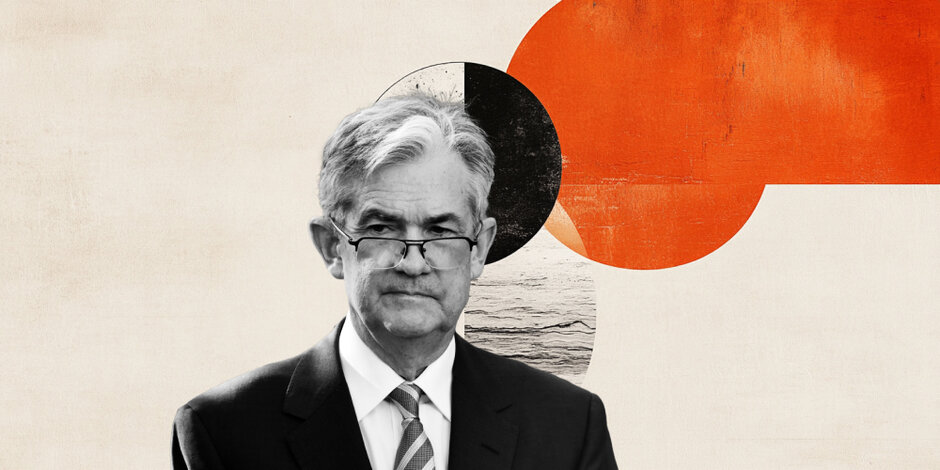
Fed chief Powell may have given the best hint yet that the Fed is on hold indefinitely. He said “We may be entering a period of more frequent, and potentially more persistent, supply shocks — a difficult challenge for the economy and for central banks.” Inflation “could be more volatile going forward than in the inter-crisis period of the 2010s.”
This is in the context of a conference on its five-year review of the Fed’s strategic monetary policy stance. We have to assume the Fed’s economists have prepared alternative inflation outlooks (and hardly any look nice).
Yesterday the data, especially PPI, was interpreted to mean no tariff-driven inflation effects to be seen, which accounting and advisory firm RSM says is not the right way to look at it. It contends the 1.7% drop in trade services means margins are being eaten away by tariffs and higher costs will start spilling over to consumers soon. Well, who better to ask than an accountant?
This may mean that the rally in 10-year T-notes yesterday was based on a mistake. The 10-year fell about 15 points and is holding lower so far today. The problem is that when a mistake is acknowledged, the reaction can be violent.
What happened to the bond vigilantes? They disapprove of the giant federal deficit while the primary complaint is the Fed cutting rates while inflation is sure to rise, even if we don’t have that hard evidence yet. The experts call current conditions “bear steepening.” We looked up the term to be sure: Investopedia says “A bear steepener is the widening of the yield curve caused by long-term rates increasing at a faster rate than short-term rates. Bear steepener commonly occurs when investors are concerned about inflation or a bearish stock market in the short-term.”
The key word is “bear,” meaning the underlying sentiment is still negative even if the rate of the moment doesn’t’ reflect that. We think it’s odd and counter-intuitive that traders still think the Fed can cut rates when inflation is absolutely going up and foreigners are absolutely going to sell Treasuries and the dollar. The odds of a rate cut this year are still positive, if getting smaller all the time. Yes, the economy is resilient and robust, and perhaps not even Trump can kill it dead, but he sure can wound it grievously.
Forecast
The trade war is not over. Trump has already said he will make another tariff announcement in 2-3 weeks complete with letters to trade partners. He just loves the limelight and just loves tariffs, so the current relaxation mode is not warranted. The dollar’s downward trajectory is oddly soft but just waiting for a trigger to generate a breakout.
Tidbit: Bloomberg reports that on Wednesday, “The dollar erased losses after a person familiar with the matter told Bloomberg News the US isn’t actually working to include currency policy pledges in any trade accords.”
If this is true, pity Taiwan. But it’s probably not true, or true only for the moment. No one doubts that if Trump doesn’t get some of what he wants, he will start in on the non-trade things “ripping off the US.” Besides, look at the bar on Wednesday. Yes, the dollar spiked a high but did not hold it. Dollar gains lasted literally only that day and when Asia came in, the euro low ended with a bang.
This is an excerpt from “The Rockefeller Morning Briefing,” which is far larger (about 10 pages). The Briefing has been published every day for over 25 years and represents experienced analysis and insight. The report offers deep background and is not intended to guide FX trading. Rockefeller produces other reports (in spot and futures) for trading purposes.
To get a two-week trial of the full reports plus traders advice for only $3.95. Click here!
Author
Barbara Rockefeller
Rockefeller Treasury Services, Inc.
Experience Before founding Rockefeller Treasury, Barbara worked at Citibank and other banks as a risk manager, new product developer (Cititrend), FX trader, advisor and loan officer. Miss Rockefeller is engaged to perform FX-relat