Fed Balance Sheet Shrinking Inches Closer Towards Ending
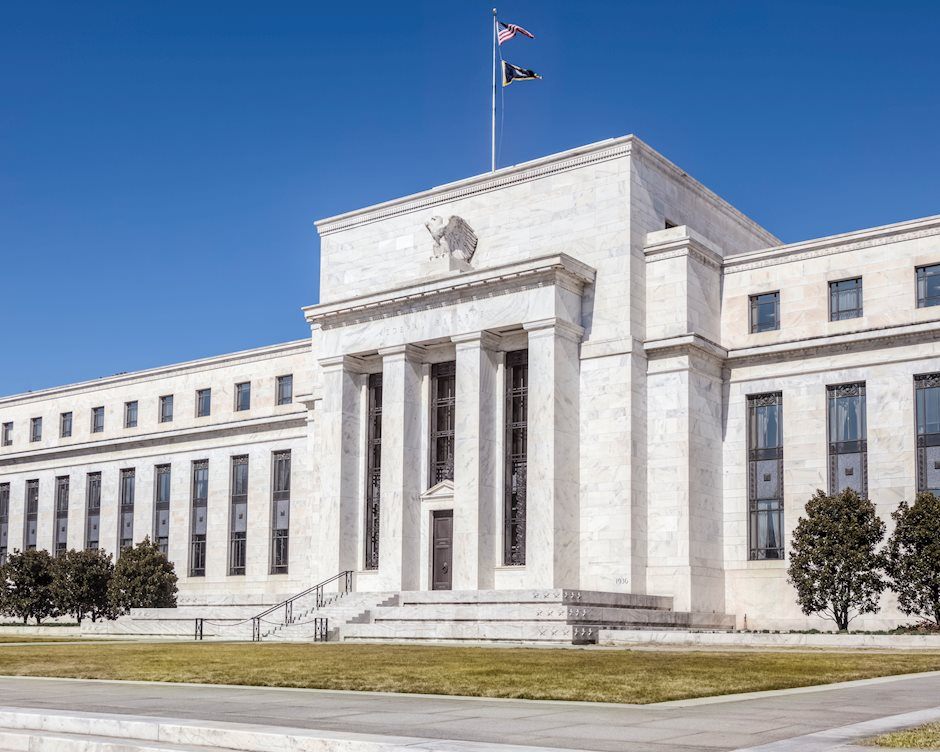

Following its meeting today, the FOMC released a statement that provided some additional clarity on the outlook for the balance sheet. While some answers are emerging, others are still awaiting further guidance.
One Question Answered, While Others Remain
For months, a debate has been brewing behind the scenes about the future of monetary policy implementation in the United States. The unprecedented quantitative easing measures undertaken in the wake of the financial crisis led to a significant expansion of the Federal Reserve’s balance sheet and to changes in the way Fed mechanically controls short-term interest rates. Until this week, the Fed’s officially stated goal was to hold “no more securities than necessary to implement monetary policy efficiently and effectively.” This left open the door to two potential monetary policy regimes: the old “corridor” system of setting the fed funds rate via open market operations, or the new “floor” system of utilizing administered interest rates to lift short-term interest rates in a financial system awash with excess reserves.
The economic and financial market implications of these two separate scenarios are quite significant. Under a corridor system, excess reserves must be sufficiently small for open market operations to have an impact on the fed funds rate. To accommodate this system, the Fed’s balance sheet would need to decline significantly to a level where excess reserves are close to zero, as was the case before the crisis. Because the Fed’s balance sheet is just that, a balance sheet, its asset holdings (mostly Treasuries and mortgage-backed securities) would also have to decline precipitously for years to come.
Under a floor system, the Fed can keep its balance sheet much larger, using direct, central bank administered rates to drive changes in money market rates more broadly. In a separate policy statement, the Fed affirmed its intention to maintain this system, stating that “the Committee intends to continue to implement monetary policy in a regime in which the level of the federal funds rate and other short-term interest rates is exercised primarily through the setting of the Federal Reserve’s administered rates, and in which active management of the supply of reserves is not required.”
While this answers one open question, several more remain. When and how will the Fed deem the level of reserves adequate? What will be the composition of the balance sheet going forward? Will the Fed turn to a new target rate given the changes and challenges in the fed funds market?
As we laid out last year, we continue to expect the balance sheet unwind to end sometime in late 2019/early 2020 at a total size of about $3.5 trillion. After that, the balance sheet would begin to organically grow again in line with currency in circulation and other standard Federal Reserve liabilities. It would not surprise us to see the Fed’s MBS holdings decline even as the total balance sheet grows again, with MBS replaced by more Treasuries, particularly T-bills. For further reading on these topics, see our two part series on the Fed’s balance sheet normalization and our report on ongoing changes in the fed funds market.
Author
Wells Fargo Research Team
Wells Fargo