Executive briefing: Tariffs starting to dampen sentiment
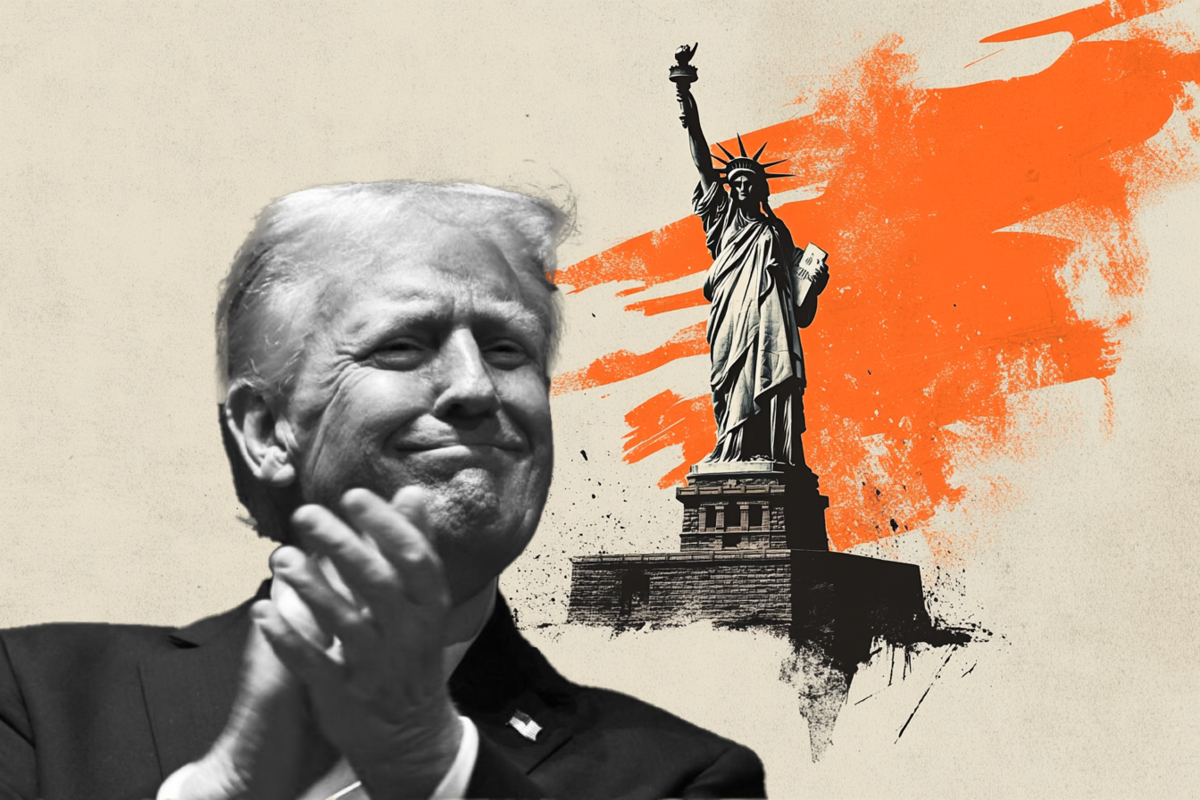

Political uncertainty and anxiety over US tariffs have caused fears of slower growth and higher inflation. US consumer confidence has dropped sharply over the past two months and at the same time households’ inflation expectations have shot higher to their highest level since the early 1990s. Private consumption has slowed only moderately, though, and thus so far held up better than the surveys. Employment is also still performing relatively well, despite a rise in announced job cuts. However, immigration flows have slowed significantly, which is set to slow the rise in the US labour supply and provide a headwind for employment and growth. We continue to expect only moderately lower growth but there is a risk that government job cuts, weaker confidence, fiscal tightening from tariff hikes and slower immigration lead to a more pronounced slowdown before expected stimulus from tax cuts start to take effect. US President Donald Trump has so far put additional 20% tariffs on China, 25% on Canada and Mexico on goods not covered by the USMCA deal, 25% additional tariffs on steel and aluminium and announced 25% tariffs on autos from 2 April, the same day that he will roll out so-called reciprocal tariffs. While inflation expectations have moved up, the growth fears have dominated and markets now price the Fed to deliver a rate cut by June to 4-4.25%, in line with our expectations. We look for further easing by the Fed during the second half of the year with 25bp cuts per quarter.
In the euro area, sentiment improved after the big fiscal policy shift in Germany announced last month. It is set to drive a significant increase in defence and infrastructure spending over the coming 5-10 years, see Research Germany – Fiscal policy to boost growth but also inflation concerns, 19 March. Euro manufacturing PMI has pushed higher in March while service PMI was softer. Concerns over tariffs also linger and put a dent on optimism. When it comes to labour markets, unemployment has dropped to a multidecade low of 6.1% but soft indicators such as PMI point to weakening labour demand. Euro inflation has continued to moderate towards the 2% target. We expect the ECB to cut rates again here in April, but views within the central bank appear to be divided.
In China, some green shoots have emerged in the housing market and positive tech news have provided a strong lift to the equity market. The jury is still out, though, whether the bottoming in housing can continue. Lifting private consumption is now China’s highest priority in its economic goals but we expect it to stage only a slow recovery as we still see stimulus as insufficient to drive a stronger rebound amid structural headwinds and US tariff hikes. The government’s growth target was set at 5% for 2025 in early March.
On the geopolitical front, the US is still in the driver’s seat of negotiations in the Ukraine war, while EU is left on the sidelines. Trump has now started to threaten Russia with secondary tariffs on oil if they do not agree to a ceasefire deal. The road to a peace deal is still unclear. A rift between US and China regarding the Panama Canal is now brewing after China has intervened in the sale of two ports by the Hong Kong company CK Hutchison to an investor group led by US company Blackrock.
Author
Danske Research Team
Danske Bank A/S
Research is part of Danske Bank Markets and operate as Danske Bank's research department. The department monitors financial markets and economic trends of relevance to Danske Bank Markets and its clients.

















