Eurozone: the strengthening of the euro, a cause for concern?
- The euro has strengthened as of late despite the widening interest rate differential with the US
- Several ECB Governing Council members have expressed unease about this appreciation
- The impact on inflation and growth should be small
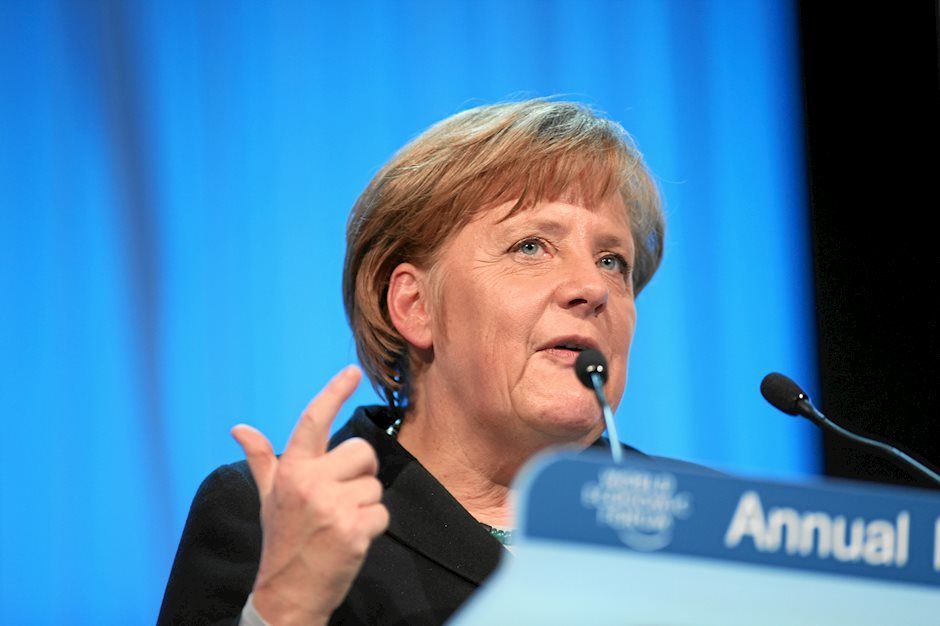

“Do you think at its current level the euro is a problem?” This and six similar questions about the strong euro were asked to Mario Draghi during the press conference after the Governing Council meeting of 7 September 2017. Undoubtedly it will again be a frequently asked question on 25 January if only because of statements on this topic earlier this week. Vice President Vitor Constancio expressed concern about sudden movements in the exchange rate which don’t reflect changes in fundamentals. Austria’s central bank president
Ewald Nowotny argued that the euro’s recent strength against the dollar is “not helpful” and the governor of the Banque de France, François Villeroy de Galhau, stated that “the recent evolution of the exchange rate is a source of uncertainty which requires monitoring with regard to its possible downward effects on imported prices.” The references to fundamentals and import prices are important. On the former, analysts are wondering why a combination of the Fed in tightening mode and fiscal reflation via tax cuts - a textbook case of a policy mix which should support the dollar - has seen a weakening of the dollar against the euro. This is all the more surprising considering that the 2 and 10 year interest rate differentials between the US and Germany have moved in favour of the US. It is as if investors try to force the hand of the ECB to provide clarity sooner rather than later on its plans for the end of QE. One shouldn’t be surprised that such clarity, once provided, would be followed by a typical “buy the rumour, sell the fact” reaction, i.e. profit taking. Is the recent evolution of the euro cause for concern? In terms of inflation a useful reference point is the difference with the hypotheses underpinning the December 2017 Eurosystem staff projections for the eurozone inflation. Against the dollar the difference is 4%, on a nominal effective exchange rate basis it is tiny (1%) so it looks premature to get worried about the disinflationary impact. What about a headwind to growth via exports? The chart shows that a positive change (i.e. appreciation) of the real effective exchange rate tends to slow eurozone export growth in
comparison to world export growth. However since 2013 the effect is small. In addition one should keep in mind that euro strength is a sign of robust eurozone growth. Given the outlook for the drivers of final demand, the eurozone should be able to easily cope with a somewhat stronger currency.
Download The Full Economic Indicators
Author
BNP Paribas Team
BNP Paribas
BNP Paribas Economic Research Department is a worldwide function, part of Corporate and Investment Banking, at the service of both the Bank and its customers.