Egyptians turning to Silver to hedge against inflation
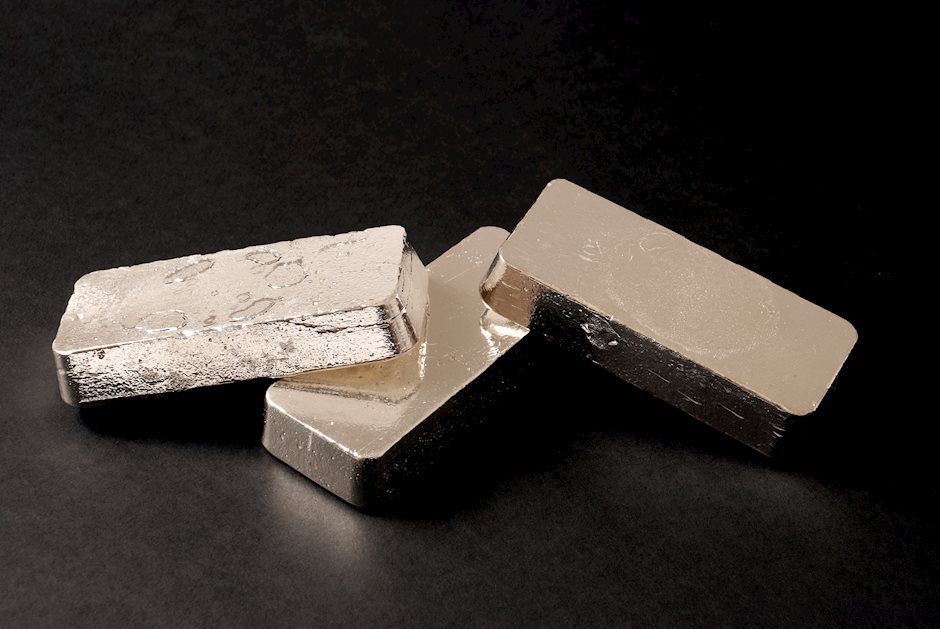

With gold prices skyrocketing in their local currency, Egyptians are turning to silver to protect their savings and wealth from skyrocketing price inflation.
According to a Reuters report, surging prices and a weakening currency have driven the price of gold in Egyptian pounds to record high levels, pricing many Egyptians out of the market. In order to protect their wealth from currency devaluation, many are turning to silver as a more affordable alternative.
The Reuters report called the trend “a measure of an economic crisis.”
Price inflation in Egypt is running as high as 30 percent. Meanwhile, the Egyptian central bank has allowed the pound to devalue by 50 percent in dollar terms, with more devaluation expected.
As of Jan. 30, the price of gold had risen more than 120 percent on an annual basis as demand for gold coins and bars increased by 58 percent.
An Egyptian silver dealer called silver “the new gold.”
A woman told Reuters that silver was an affordable alternative to gold.
A small 18-carat earring weighing less than a gram is more than 3,000 pounds. I can't afford that as a gift anymore so I bought a silver necklace for around 1,900. It's not the same, I know, but it still has value.
And like gold, silver also historically protects wealth from currency depreciation. The price of silver in Egyptian pounds has more than doubled in the past year.
Although about half of global demand is for industrial and technological uses, at its core, silver is a monetary metal. While the price is more volatile in the short run, silver tends to track up and down with gold over time. In fact, silver often outperforms gold in a gold bull market. This was the case during the pandemic. As gold pushed above $2,000 an ounce, a 39 percent gain, silver rallied to nearly $30 an ounce, a 147 percent increase.
The bottom line is if you are bullish on gold, you should be bullish on silver as well. If history is any indication, Egyptians pivoting to silver as a hedge against inflation and currency devaluation are making a wise move.
Silver is undervalued
Silver is currently significantly undervalued compared to gold. The gold:silver ratio of nearly 90:1 is evidence of this. That means it takes almost 90 ounces of silver to buy one ounce of gold. This is a historically wide spread.
The average gold:silver ratio in the modern era has generally ranged between 40:1 and 60:1. When the ratio widens far beyond that range, as it has in recent years, it typically returns toward that mean.
For instance, the ratio fell to 30:1 in 2011 and below 20:1 in 1979. More recently, the ratio closed from over 100:1 to 64:1 during the pandemic.
Silver also appears to be underpriced given the supply and demand dynamics. The Silver Institute projects silver demand will reach the second-highest level on record in 2024. This will likely lead to the third straight annual market deficit with demand outstripping supply, further cutting into silver reserves.
Silver isn't priced for that.
With silver significantly underpriced, and gold set up for a bull run when the Fed returns to its inflationary policies, Egyptians seem to be making a smart choice. And it might not be a bad idea for Americans as well.
To receive free commentary and analysis on the gold and silver markets, click here to be added to the Money Metals news service.
Author
Mike Maharrey
Money Metals Exchange
Mike Maharrey is a journalist and market analyst for MoneyMetals.com with over a decade of experience in precious metals. He holds a BS in accounting from the University of Kentucky and a BA in journalism from the University of South Florida.