ECB is a key factor in Catalan independence

Each and every single rebellion lasts as long as the funding is provided. Once the money is gone, emotional resistance tends to disappear quickly. With Catalonia breaking free from Spain, money can dry up quickly as well.
When Greece rebelled against the austerity measures of the international bailout program, its banks soon ran out of cash shutting down branches first and ATM machines soon after. Greeks did not dare to introduce its own currency replacing the Euro and capitulated soon after.
Parallels between Greece and Catalonia are apparent as both countries are at the edge of the currency union with their independence push. Should Catalonia declare independence, the country will be outside the European monetary union and the ECB would have no reason to provide local banks with cash. With no cash, Catalonia would have to either introduce its own currency or ask Madrid for help.
There is also an option of Catalonia unilaterally introducing Euro into circulation the way Montenegro did, without having to obey Maastricht criteria or depend on ECB, but such option is unlikely.
Go for its own currency is the most likely option for Catalonia, although it has been a too big of a portion for Greece back in 2015.
ECB- ultimate liquidity provider
The ECB is currently flooding the countries of Eurozone with liquidity through asset purchasing program and makes sure there is ample liquidity on the market. In combination with low-interest rates, it tries to promote the aggregate demand for loans and increase all employment, growth, and inflation. Demand for money in the last tender of the ECB was driven by risk. Spanish banks have borrowed from the ECB €21 billion in last week’s tender, up from €2.5 billion during the first week of October. Such a dramatic rise in demand for money is a reflection of banks expecting a higher risk of withdrawals.
In fact, Catalan separatists have already called for clients to withdraw their money from Catalan banks after their management decided to play it safe and moved its legal address away from Catalonia. CaixaBank moved its legal address to Valencia while Banco Sabadell moved to Alicante.
The more money clients withdraw from banks, the bigger is their dependence on ECB as an ultimate liquidity provider.
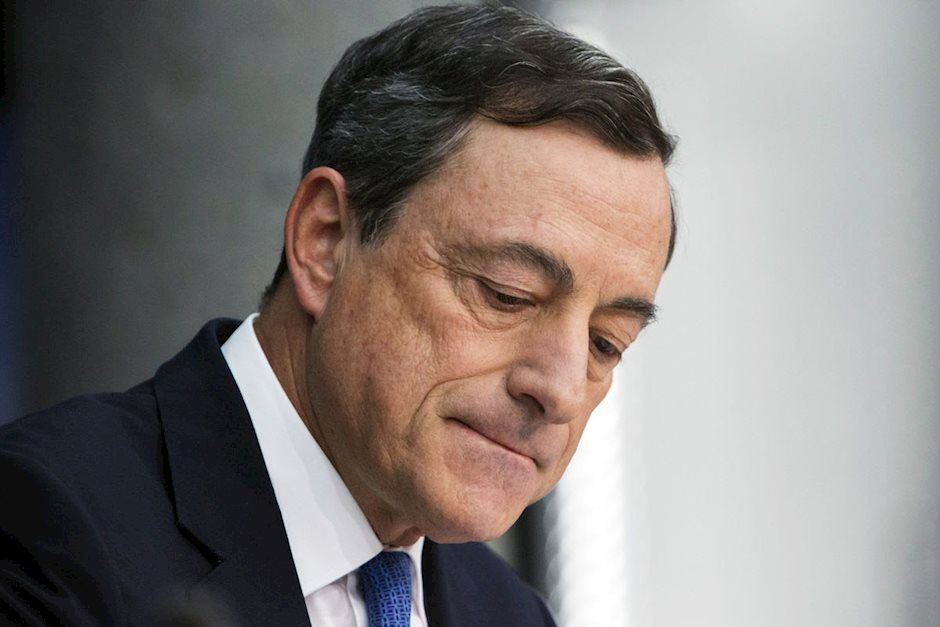
While ECB’s governing council is set to convene this Thursday, the taper of its asset purchasing program tops the agenda. Nevertheless, questions of Catalan independence are to arise with Mario Draghi seen standing firmly on not-to-comment side. Rising dependency of banks on ECB finances increases ECB’s grip on local banks and therefore makes ECB a decisive player in deciding its independence.
Author
Mario Blascak, PhD
Independent Analyst
Dr. Mário Blaščák worked in professional finance and banking for 15 years before moving to journalism. While working for Austrian and German banks, he specialized in covering markets and macroeconomics.

















