|

Dr Copper in the house

S2N spotlight

I came across this quote from Alfonso De Pablos from All Star Charts:

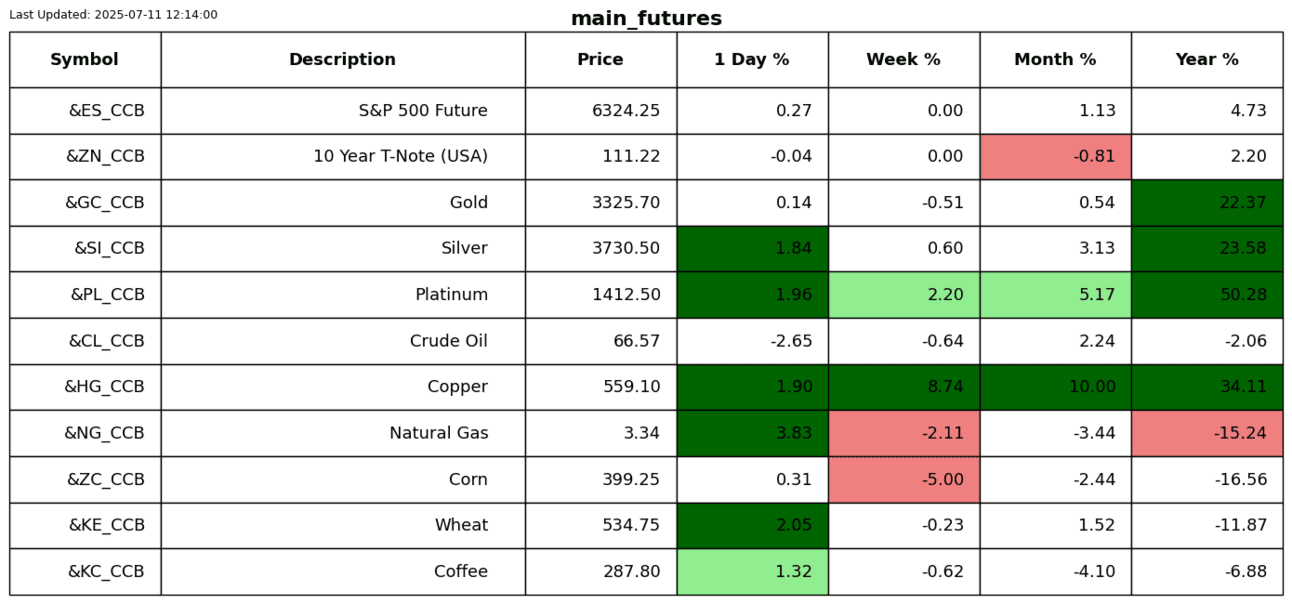
“Copper vs. gold is a key barometer for risk appetite and economic strength. Every time it’s dropped to these levels over the past 16 years, buyers have stepped in… I can’t think of a more logical place for it to begin outperforming gold than right here.”

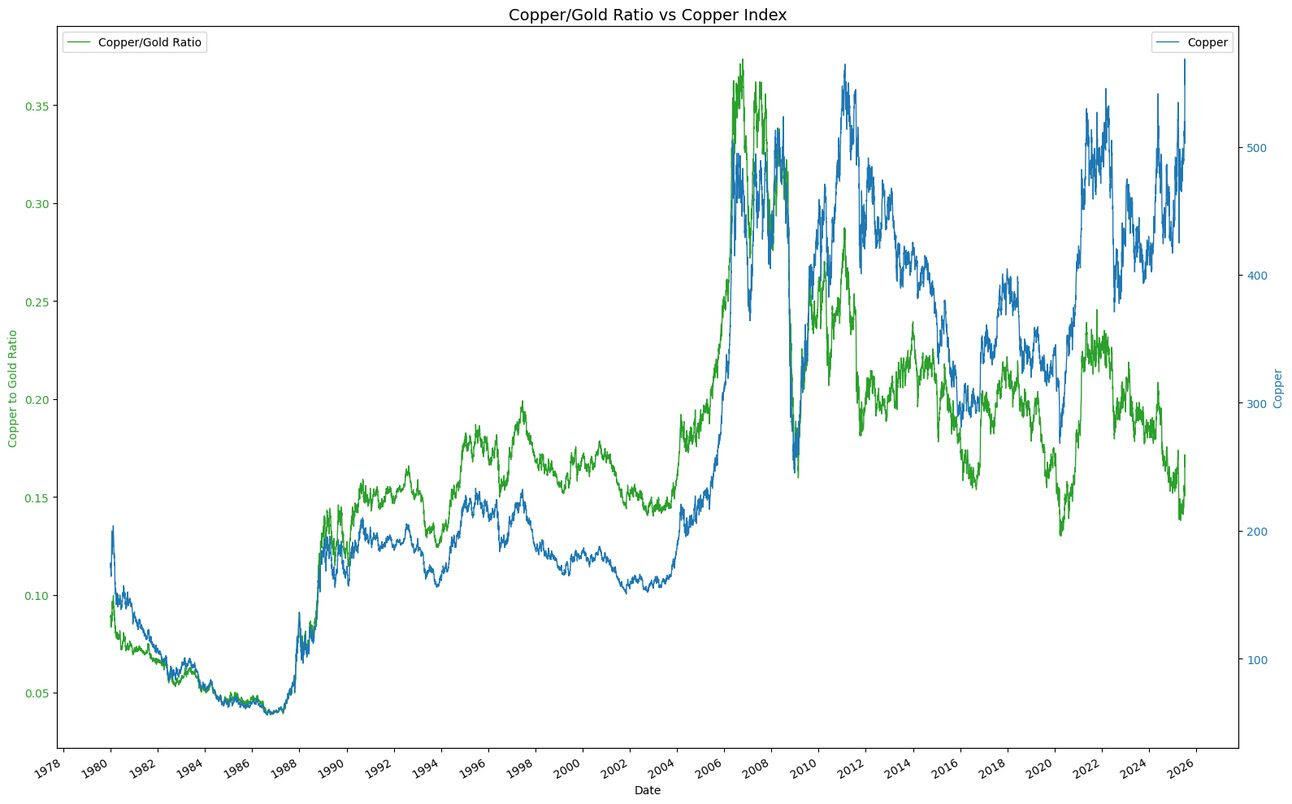
I have never really heard much about this ratio before, so I decided to do some of my own analysis. The green line is the ratio of copper to gold. The blue line is copper.

Here is my 5 copper cents worth. There seems to have been a very strong relationship with this ratio in the past; I go back to 1980. It seems this relationship has broken down over the last 5 or so years.
Chart

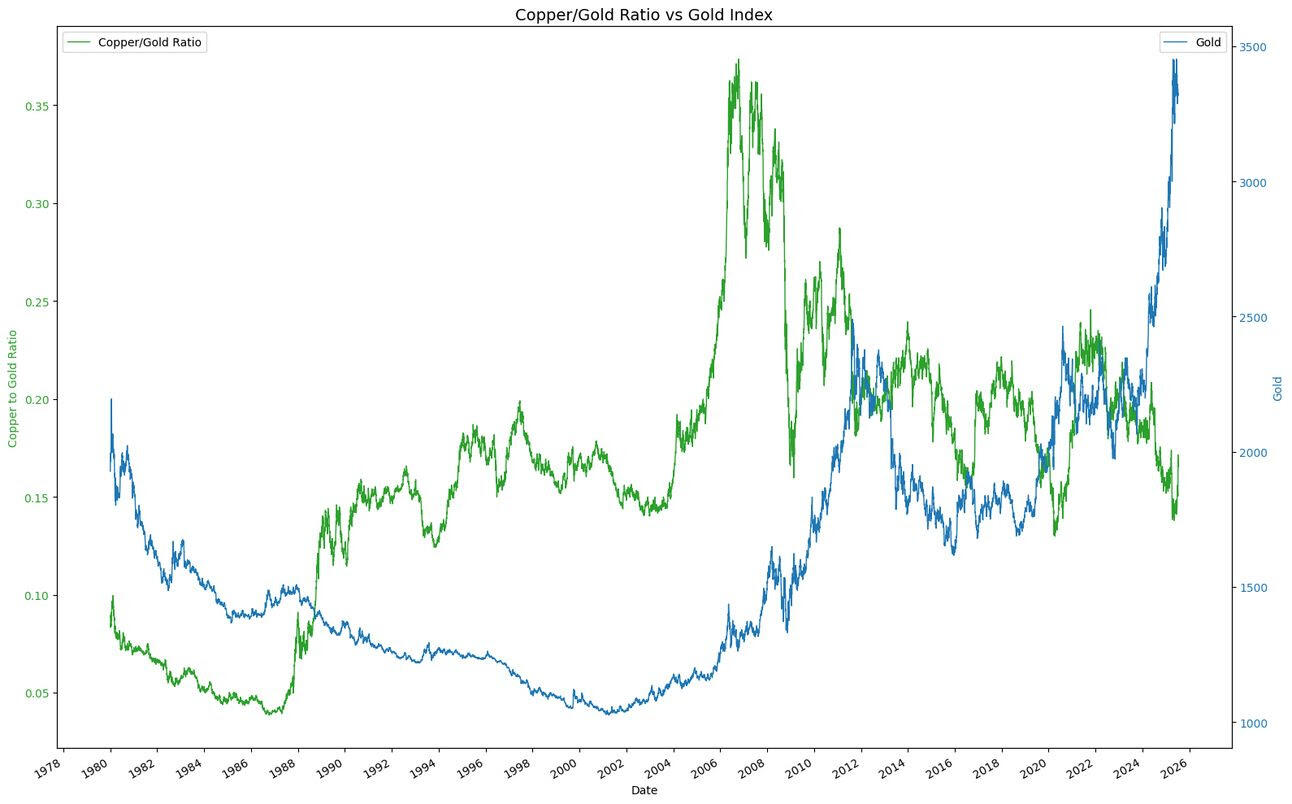
I looked at the relationship with the ratio and gold and couldn’t see anything really. Maybe 5th cousins twice removed.
Chart

In summary, the relationship between the copper-to-gold ratio and the copper price has been strong over many decades. Not so much in the last few years. I wish I was as confident as an All-Star, the only logical conclusion I can come to is I have no clue what to make of the idea of copper outperforming gold.

S2N observations

My temperature is back to normal, but there may be some delirium left in the system.

S2N screener alert

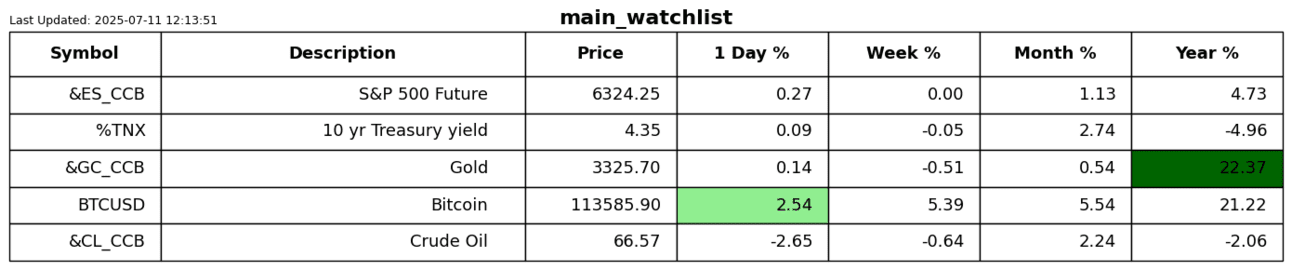
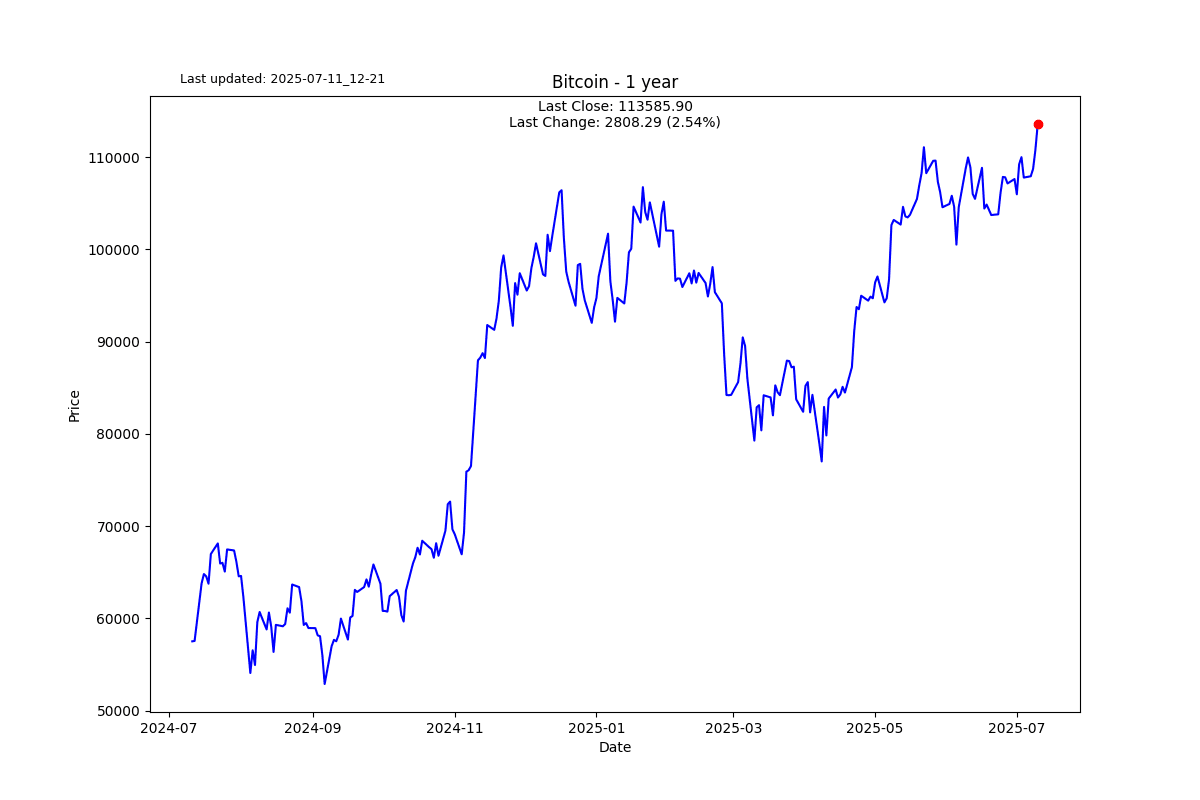
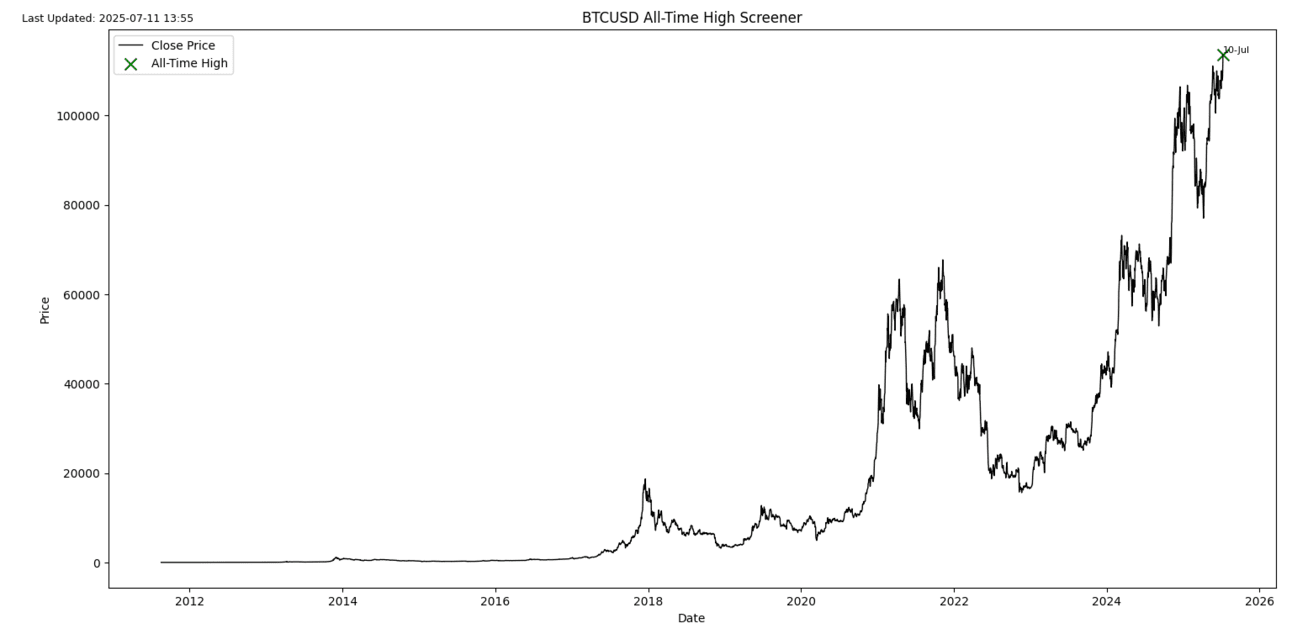
There were so many new ATH yesterday; the one that I think deserves special mention is Bitcoin. Michael Saylor must be as drunk as a sailor on his good fortune. I still think gold is the more responsible play on currency debasement, but Bitcoin cannot be ignored.
Chart

S2N performance review

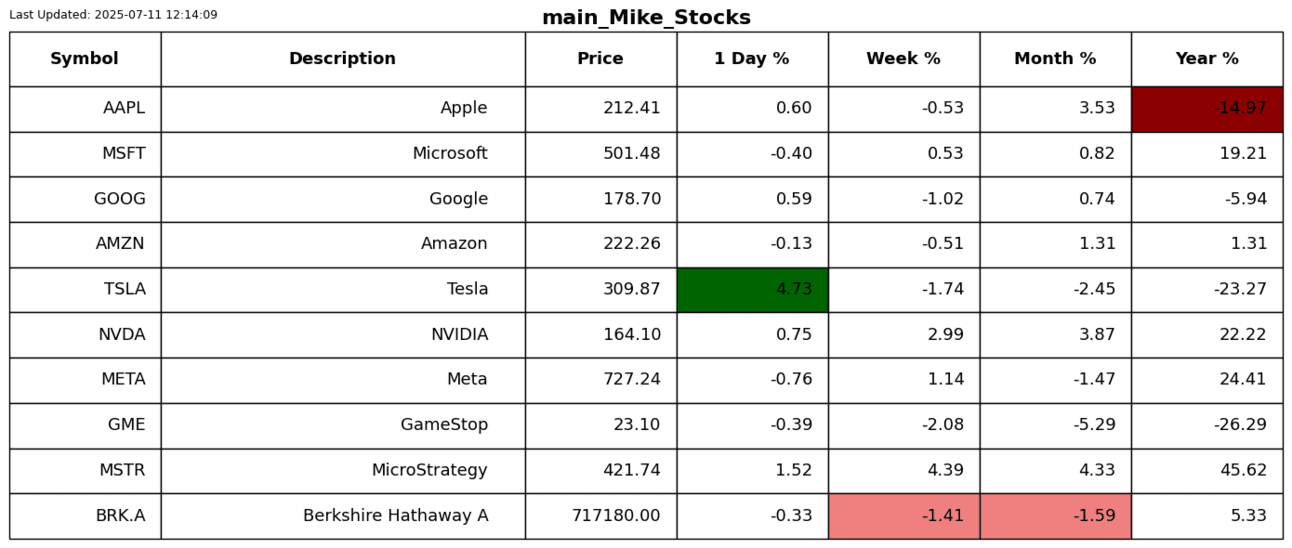
Chart
Chart
Chart
Chart
Chart
Chart
Chart

S2N chart gallery

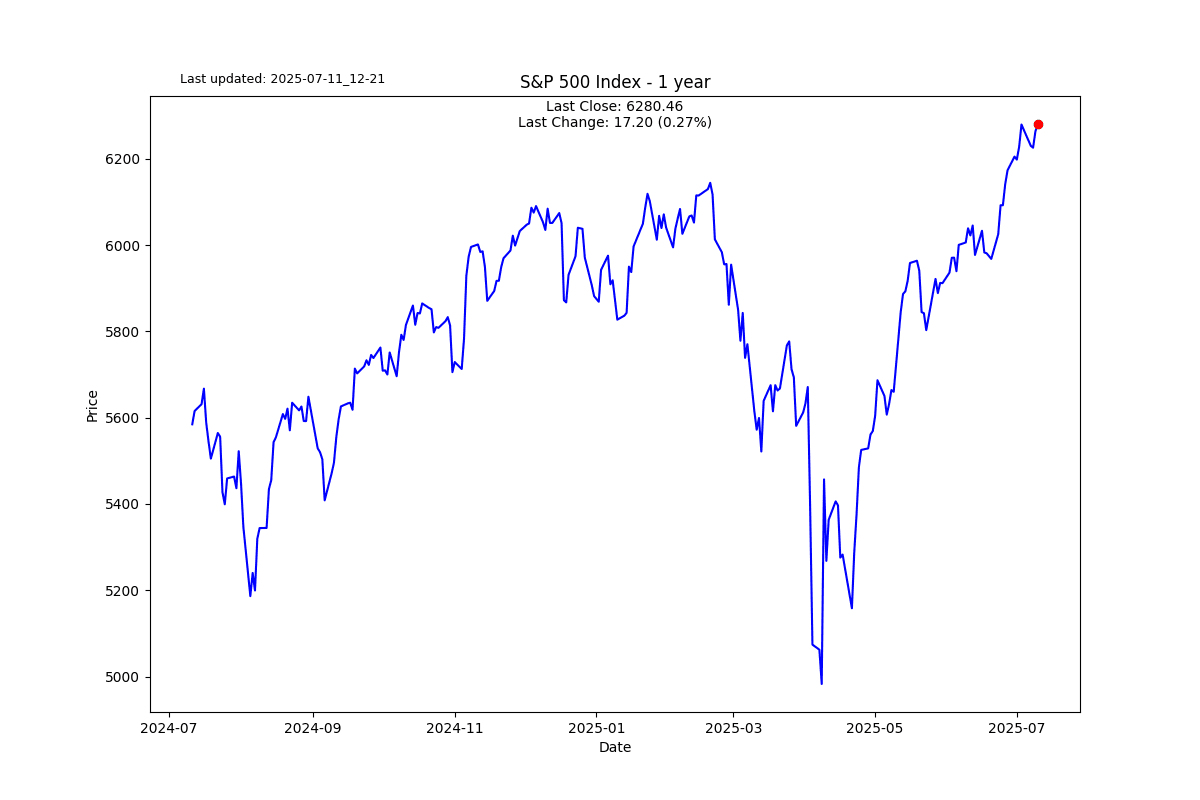
Chart
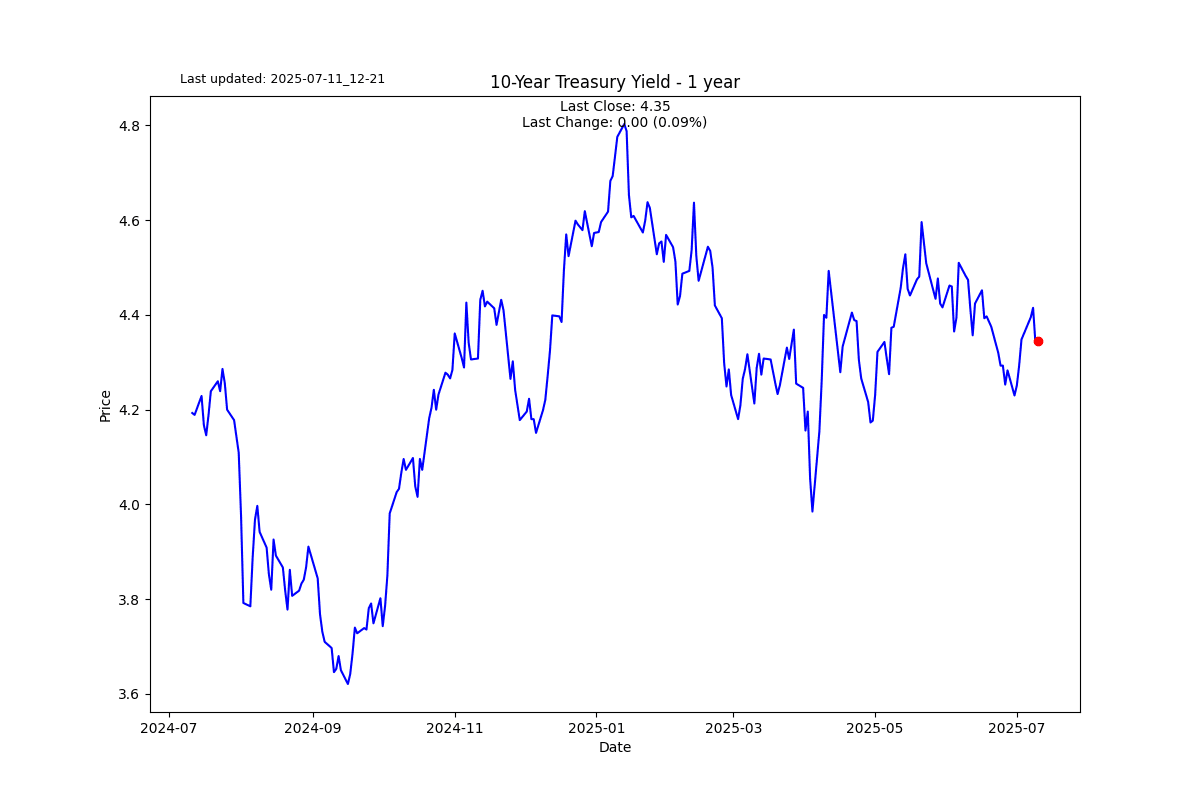
Chart
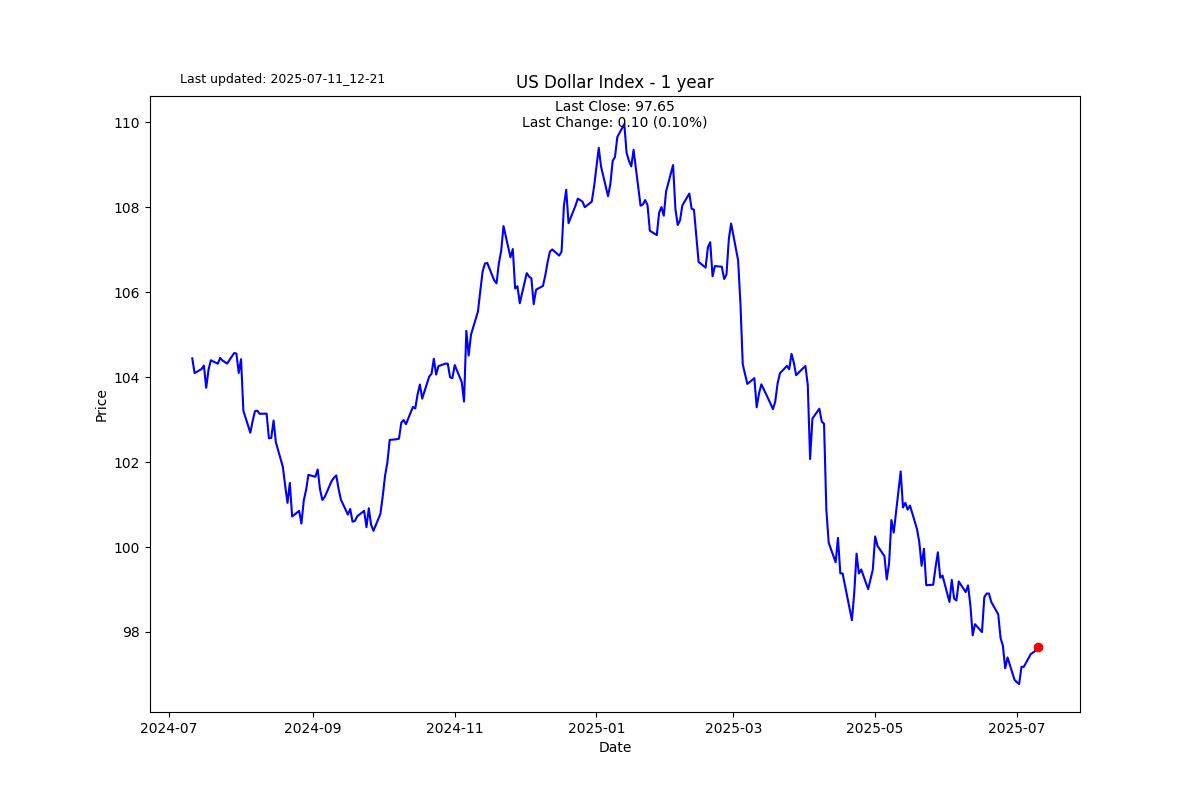
Chart
Chart
Chart
Chart

S2N News Today

Chart

Author

Michael Berman, PhD

Michael Berman, PhD

Signal2Noise (S2N) News

Michael has decades of experience as a professional trader, hedge fund manager and incubator of emerging traders.


More from Michael Berman, PhD
Share:

Editor's Picks

AUD/USD flirts with 0.7000, lowest since early August amid bullish USD

AUD/USD hits a fresh low since early August during the Asian session on Friday and looks vulnerable near 0.7000 after breaking below the 200-day SMA overnight. Against the backdrop of the hawkish Fed, a two-day rally in oil prices revives inflation fears and continues to push US bond yields to multi-year highs. Adding to this, geopolitical risks lift the US Dollar to a two-month high, overshadowing RBA rate hike bets and weighing on the pair.

USD/JPY pulls back from three-week high after failing near 159.00

USD/JPY edges lower during the Asian session on Friday, stalling its recent strong move to a three-week high of 159.00 as Japanese Yen bears turn cautious amid intervention fears. Meanwhile, the US Dollar retains a strong bullish undertone as the Fed's hawkish outlook and oil-driven inflation fears continue to push US bond yields to multi-year peaks. Furthermore, the BoJ's dovish rate hike last week might cap JPY and support spot prices.

Gold remains below $4,300 amid hawkish Fed, elevated US bond yields, and bullish USD

Gold struggles to capitalize on the previous day's modest rebound from the weekly low, trading below $4,300 during the Asian session on Friday amid a bullish US Dollar. The hawkish Fed, along with energy-driven inflation fears, lifts US bond yields to multi-year highs and helps the USD preserve its gains to a two-month high. This, in turn, acts as a headwind for the non-yielding bullion and warrants caution for bulls.

Crypto exchange Bitget hacked for over $350 million
Cryptocurrency exchange Bitget has been hacked for over $351 million after attackers compromised a few of its hot wallets. The hack was first flagged across several onchain tools, which initially noted over $180 million in assets moving from a few of the exchange's wallets to unidentified addresses.
Advanced economies: From one example of resilience to another
History tends to repeat itself in advanced economies. Once again, growth ultimately fell short of expectations by only a small margin in the first half of 2026, despite the conflict in Iran. As early as 2025, the impact of tariffs was less severe than feared.
BoJ Recap: Not as hawkish as expected

The Bank of Japan (BoJ) raised its short-term interest-rate target to 1.25% from 1.00% in a 7-2 vote, marking another step in the normalisation of monetary policy and widely matching what everyone has been expecting for weeks.