Don't always trust the experts

S2N spotlight
Yes Fed rate hikes contribute to inflation. Check your Macro 301 textbook. YoY Core Services 94% of CPI! CPI is almost all shelter. 65% of Core Services is shelter YoY 68% of Core Services is shelter MoM
I came across this tweet this morning on the ferry into the city and nearly dropped my mobile into the Sydney Harbour. The author is a global macro strategist with a big following; it is so easy to fall into the clickbait trap and start doubting yourself. Allow me to refute this provocative statement and regain my sensibility.
I am pretty confident there is no Macro 301 textbook that subscribes to this theory; perhaps Professor Homer Simpson wrote one, need I say more?
I think I know what he is trying to get at with his statement. I think he is trying to suggest that by raising rates higher, it makes buying a property more unaffordable, which drives up rentals. Rentals are a big part of the inflation basket; then that is likely to lead to inflation. It seems plausible, but it is really marginal; it is missing all the main drivers in my opinion. Don’t take my word for it; let’s do the research.
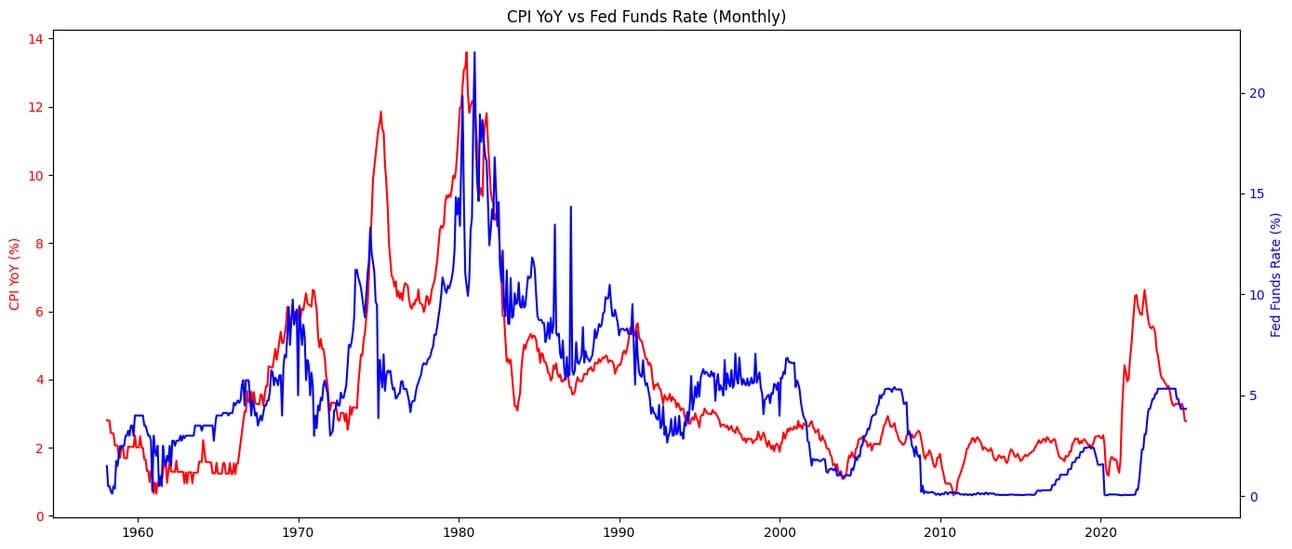
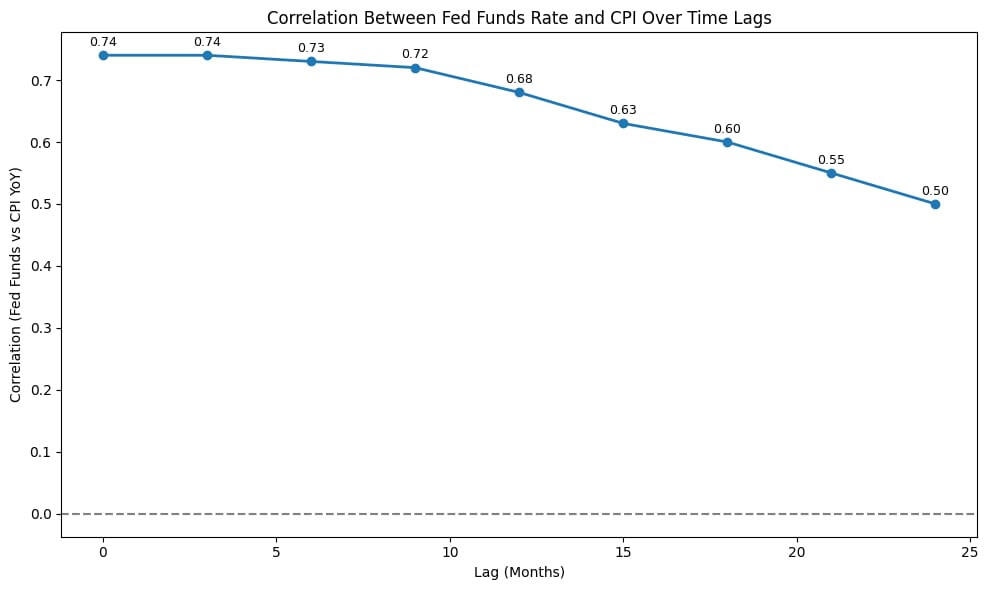
Let me explain what I have done. In the chart above, I have the year-on-year % inflation rate together with the Fed Funds Rate. In the chart below I show the correlation of the Fed Funds Rate with CPI over different time lags.
English please:
There is a very strong correlation between the Fed Funds Rate and inflation (75%), which decreases as we lag the Fed Funds Rate. Some points need to be clarified. If you are wondering why they are strongly correlated and not inversely correlated, you are thinking the right way. The reason is because the Fed reacts to inflation.
The reason why the correlation declines as the lag increases suggests that past rate hikes lead to falling inflation over time, as you would think.
There is another reason why we are not seeing the expected negative correlation. We are measuring the monthly correlations, which are incremental and hence provide a subtle explanation. So let’s go a step further and measure the cumulative effect of the rate-hiking cycle over decent lag periods, as this is much more realistic.
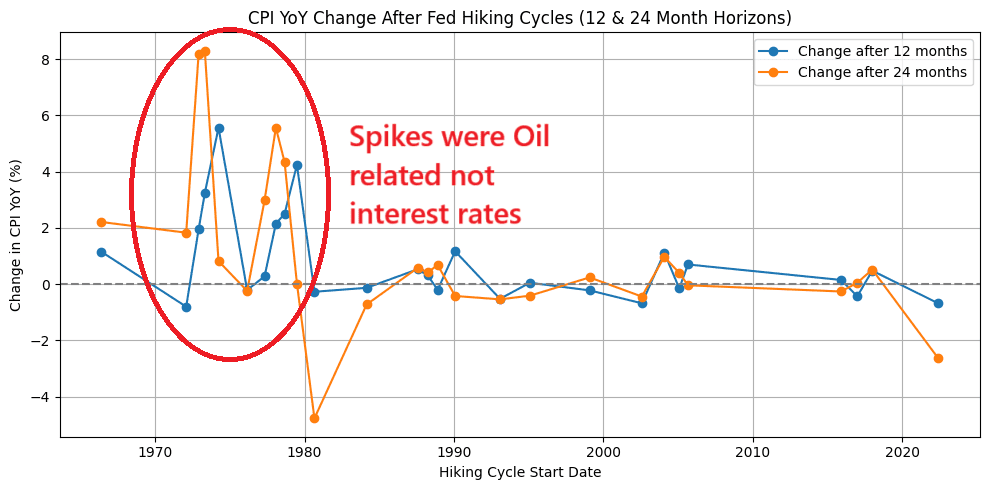
You looked at 26 Fed rate hiking cycles since 1966 and tracked inflation 12 and 24 months later.
Results:
In 18 out of 26 cases, inflation was lower or flat 24 months after the hike cycle began.
In only a few cycles (mostly in the 1970s) did inflation rise — and those were delayed or insufficient hikes in response to oil shocks and runaway wages.
Most of the time, rate hikes were followed by disinflation, just as textbook macro predicts — it just takes time.
Mr. FinTwit, the Fed doesn’t hike rates to cause inflation — it hikes to fight it.
And this data shows it usually works, but with a 12–24 month lag. I feel better now.
S2N observations
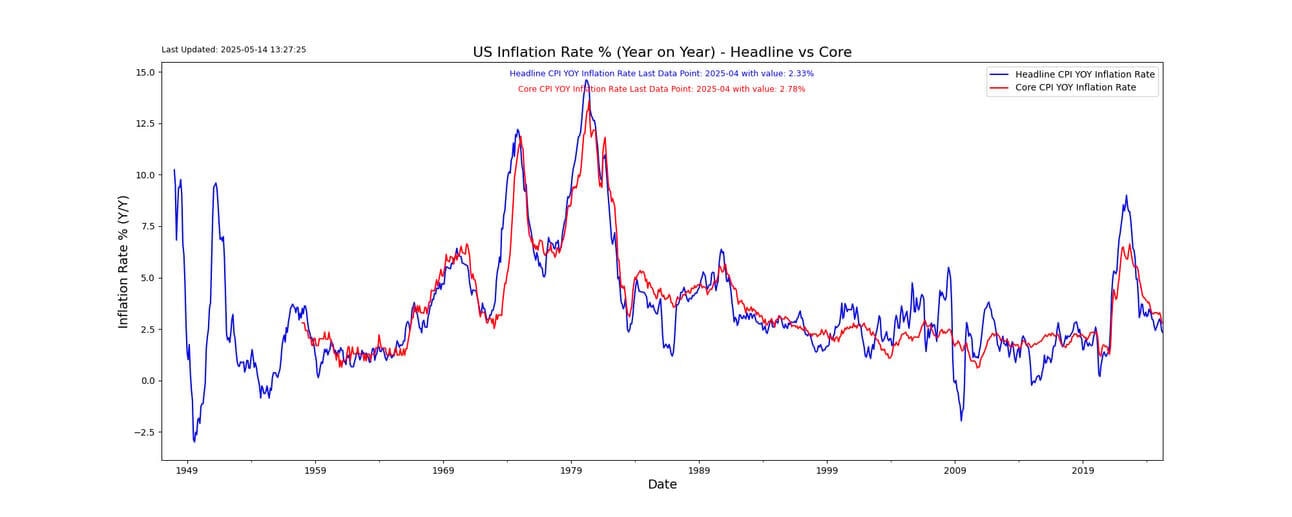
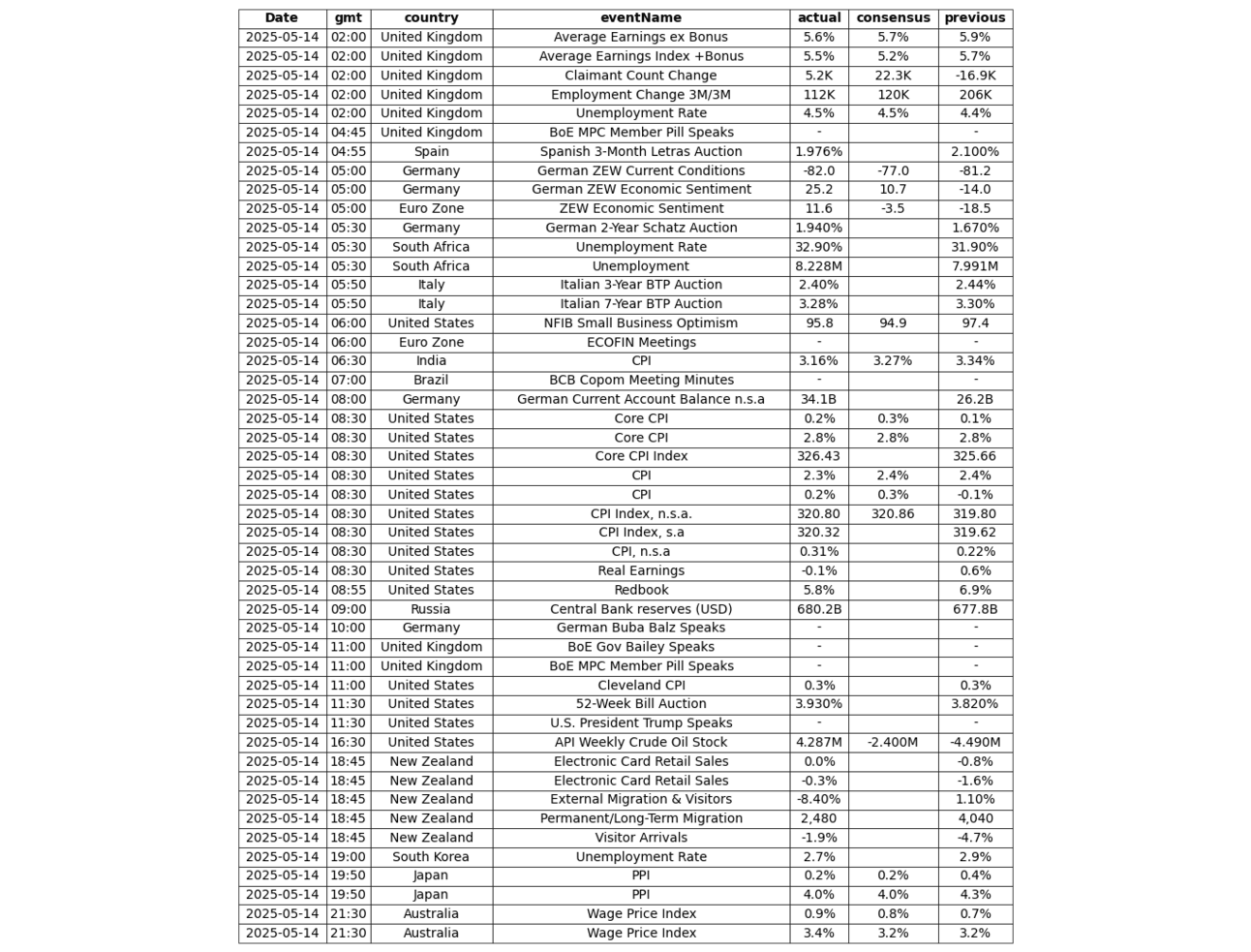
Inflation came out more or less in line with expectations. It’s clear there are no tariffs in these numbers. I am sticking to my guns that inflation will be printing higher in coming months.
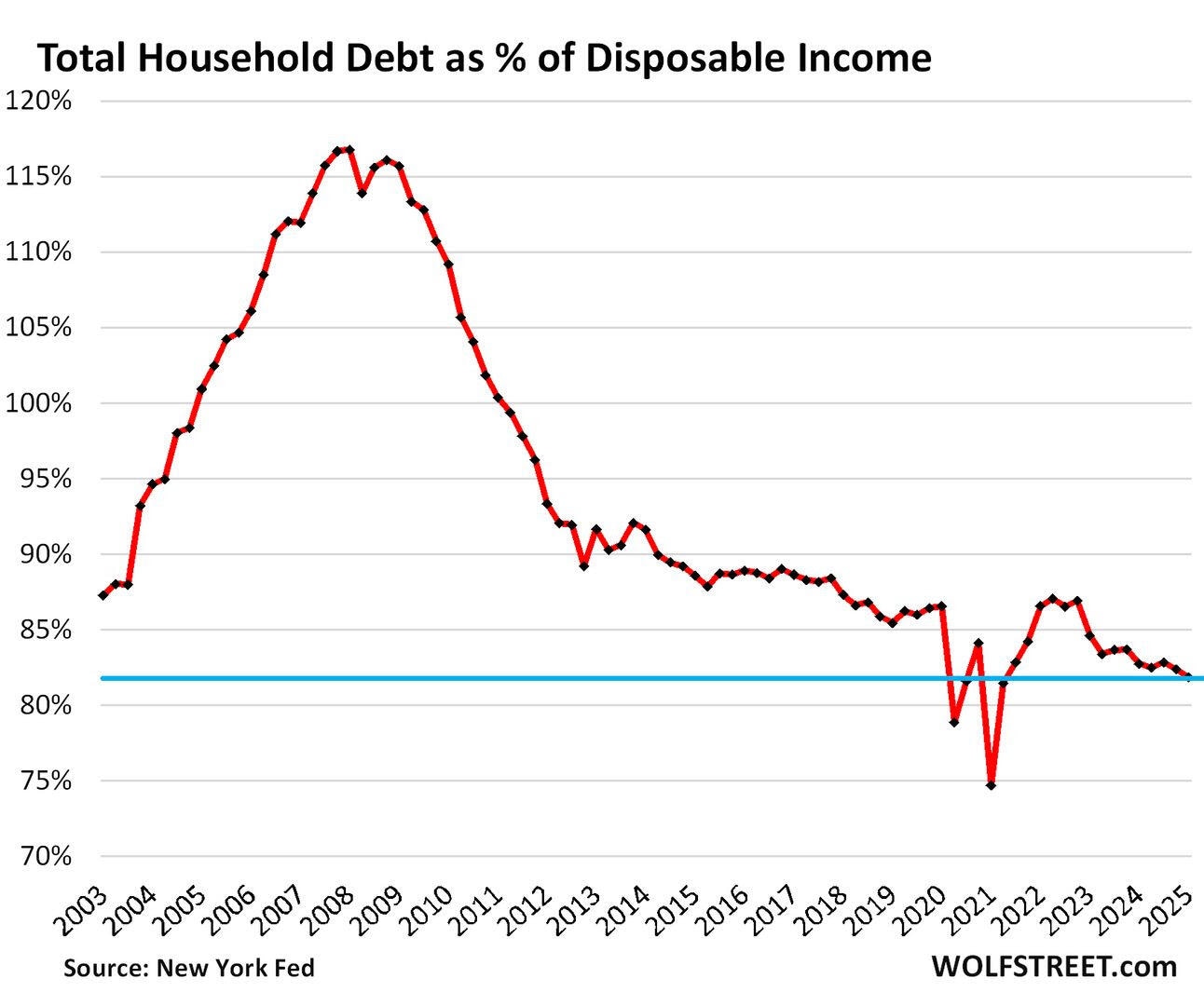
The household is still doing pretty well, if you ask me. We are unlikely to get a financial crisis with this level of debt to income. Jobs, jobs, jobs is what it is all about. The minute unemployment climbs meaningfully is when you can know with some certainty that pain is coming to leveraged assets, i.e., real estate and the broader economy.
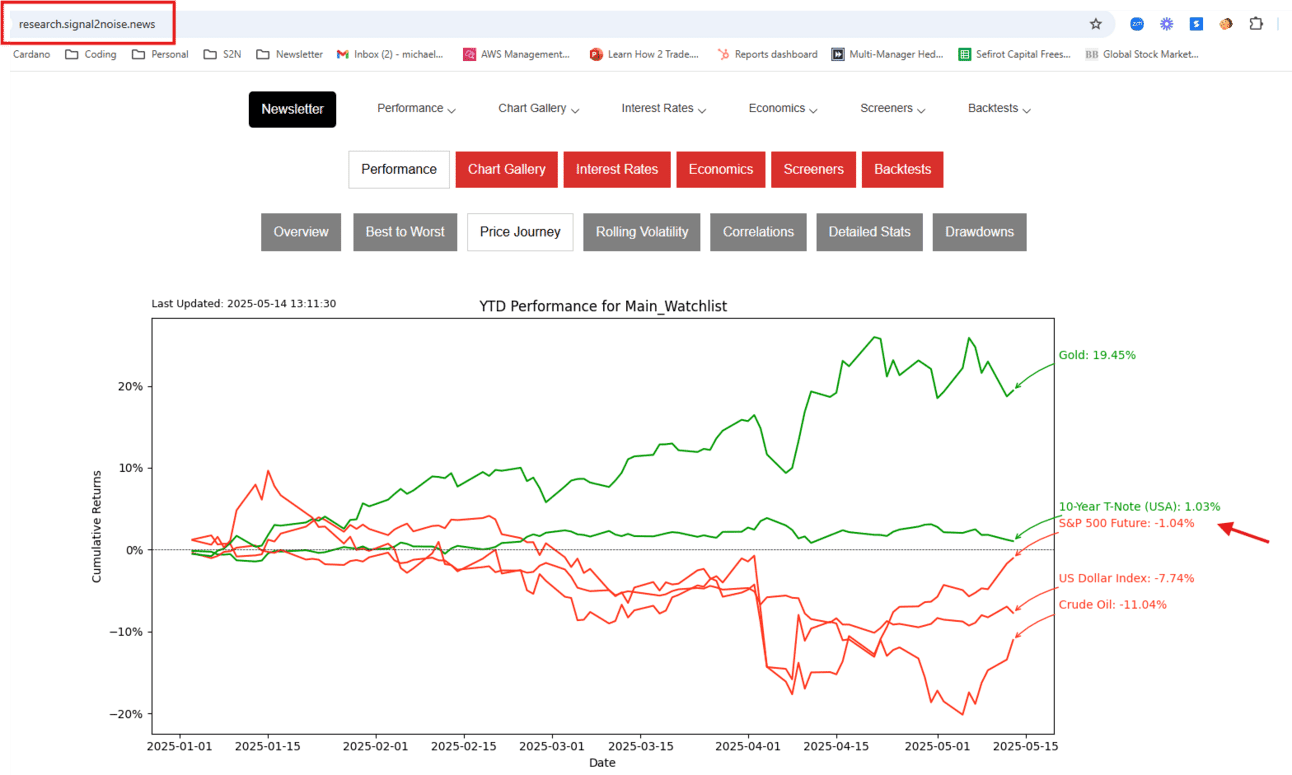
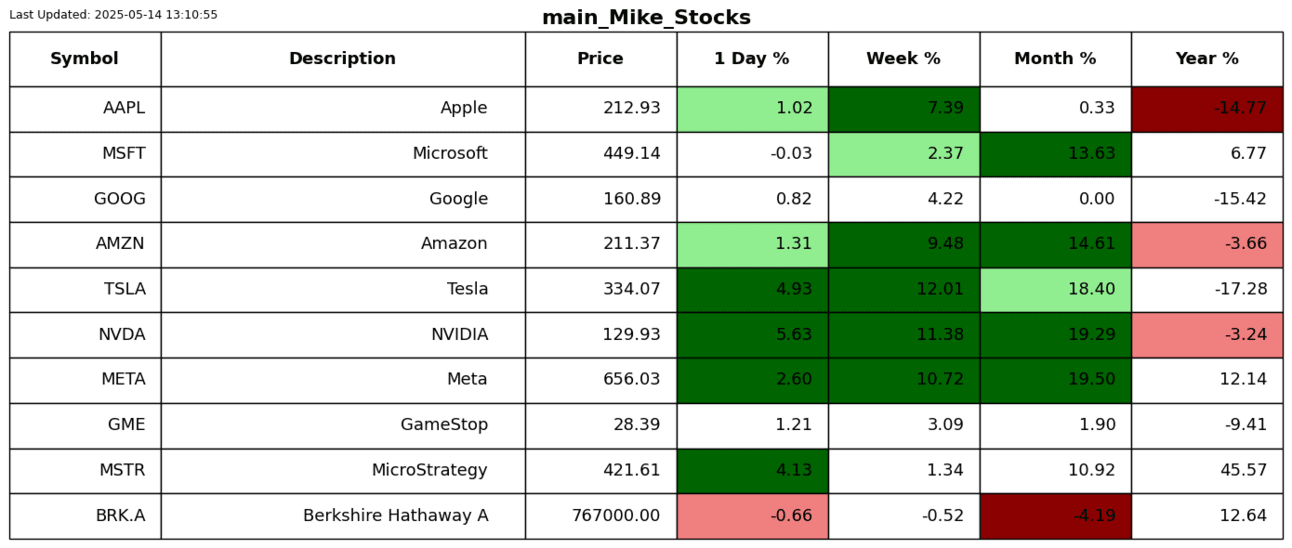
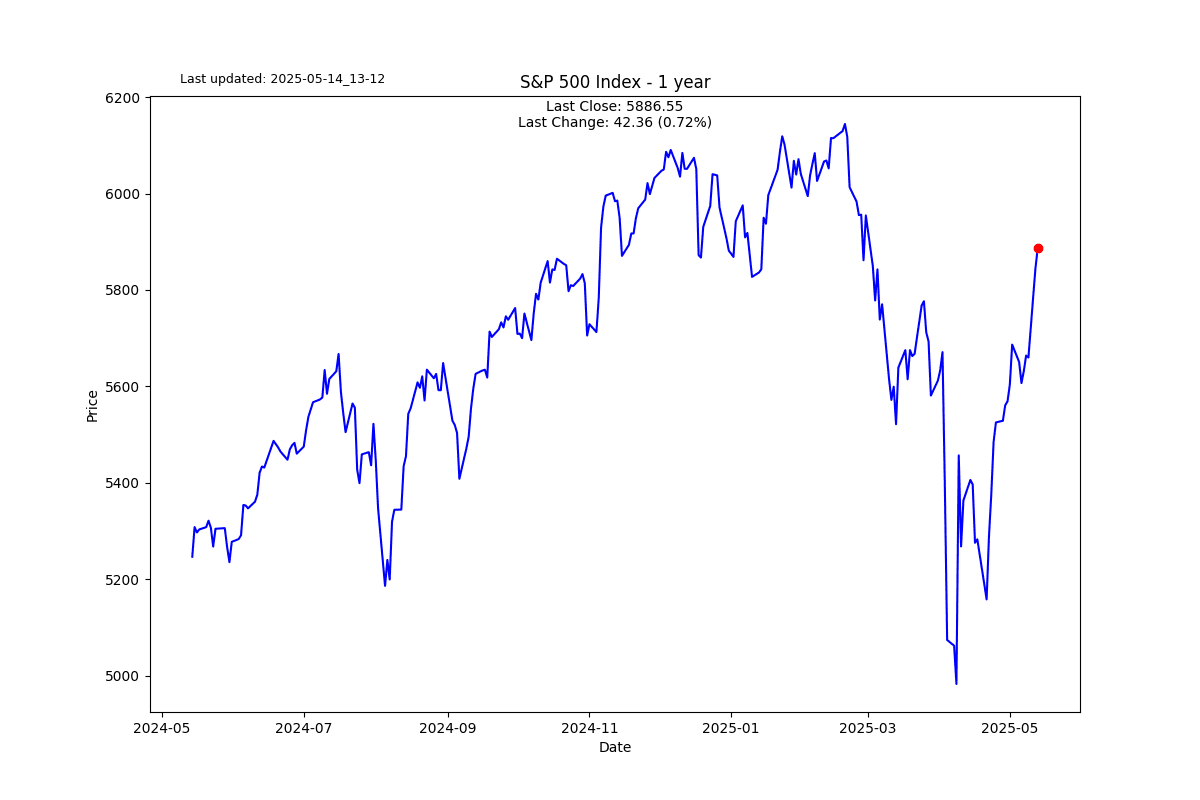
I notice everyone commenting that the S&P 500 is positive for the year. My chart suggests close but not quite. Play around on the site; I am back working on it and updating the different menus.
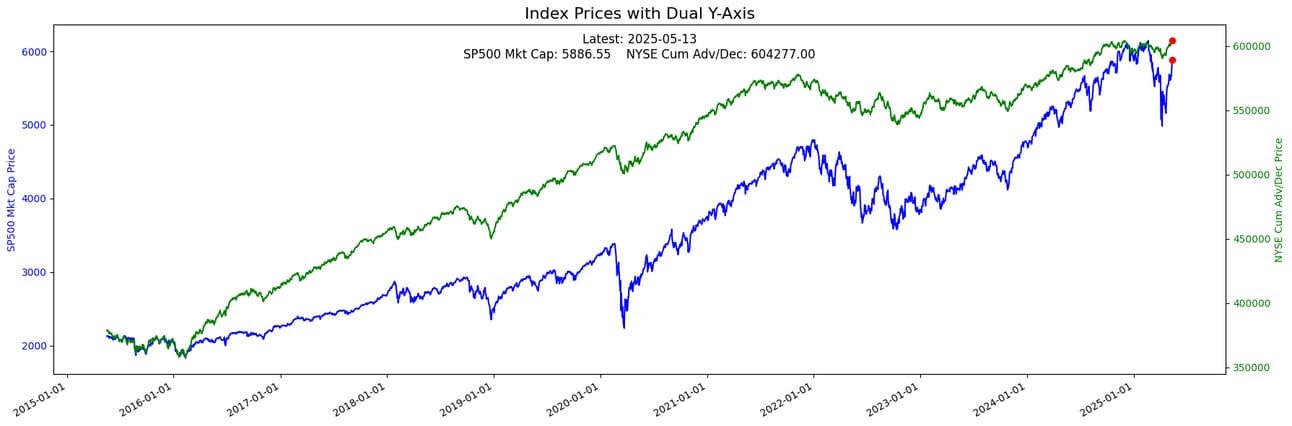
The NYSE Composite Cumulative Advance Decline Line made new all-time highs, which is bullish for the S&P 500.
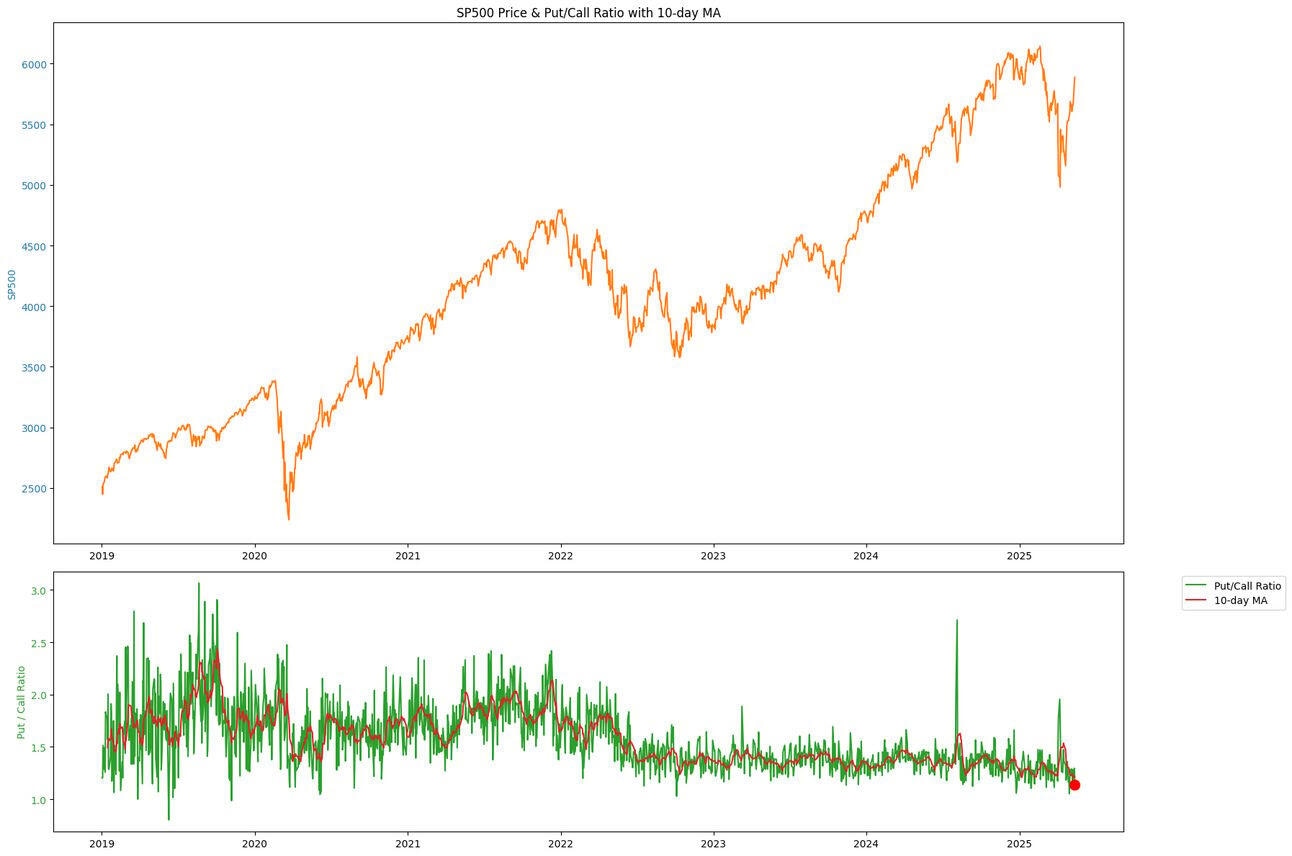
Suddenly there are no more bears. The put/call ratio is dangerously low. This is not a stable market.
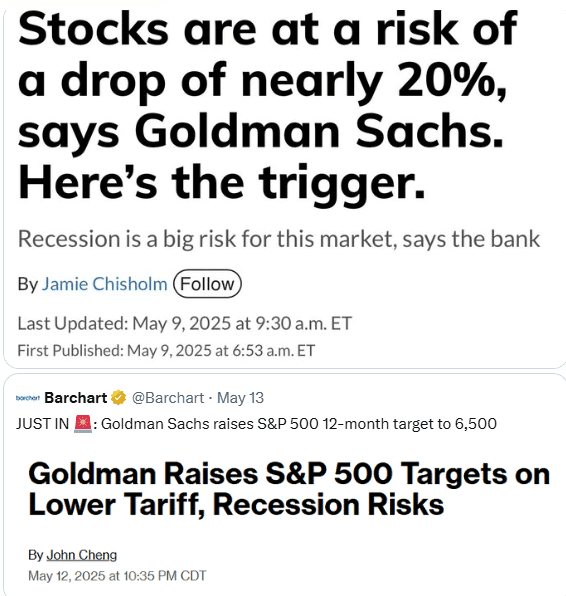
I am not ashamed to change my mind. In fact, being open-minded is important. Goldman Sachs went from calling for a 20% decline to calling for a rise of 12% in 4 days. This is a bit extreme if you ask me. Reminds me of Heads I win, Tails you lose.
S2N screener alert
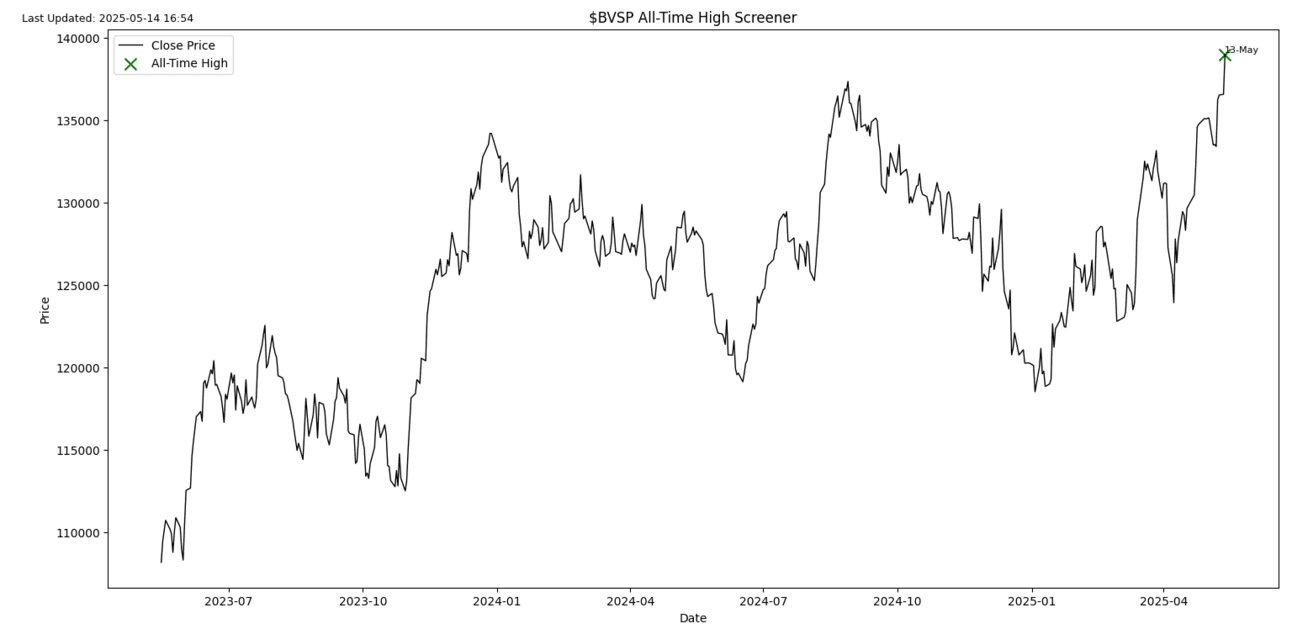
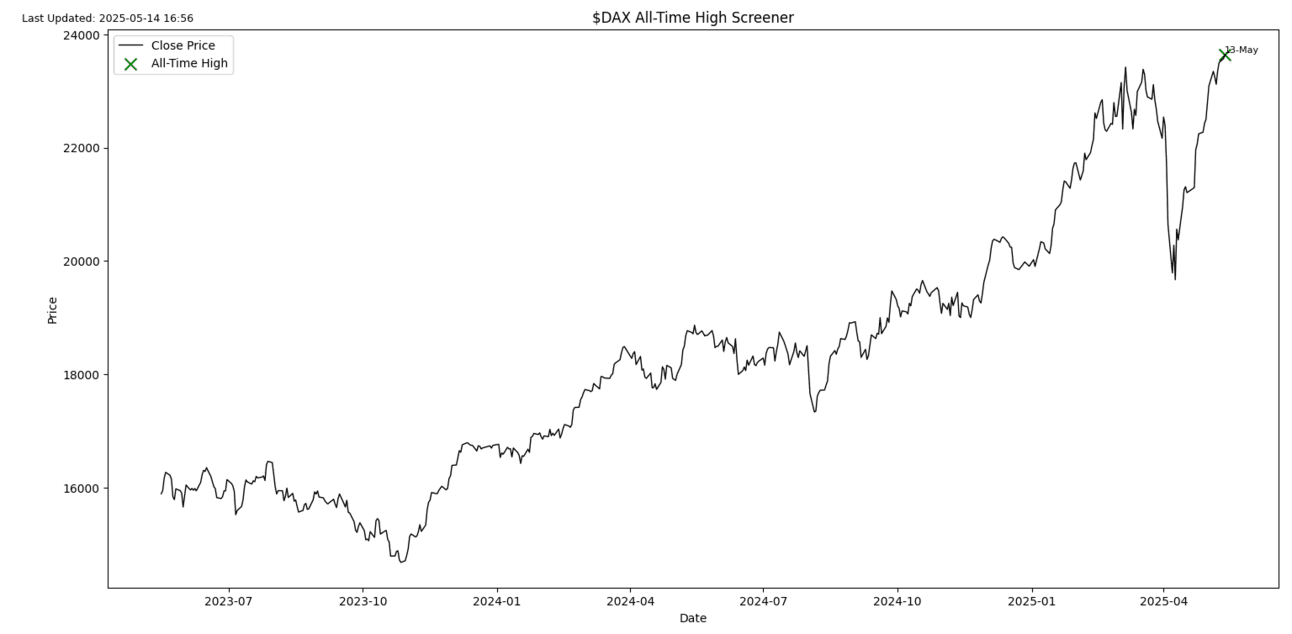
Brazilian and German stock markets made new all-time highs.
S2N performance review
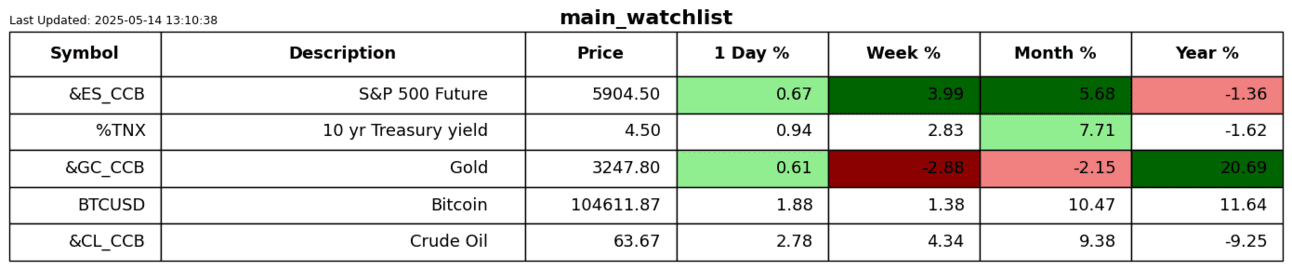
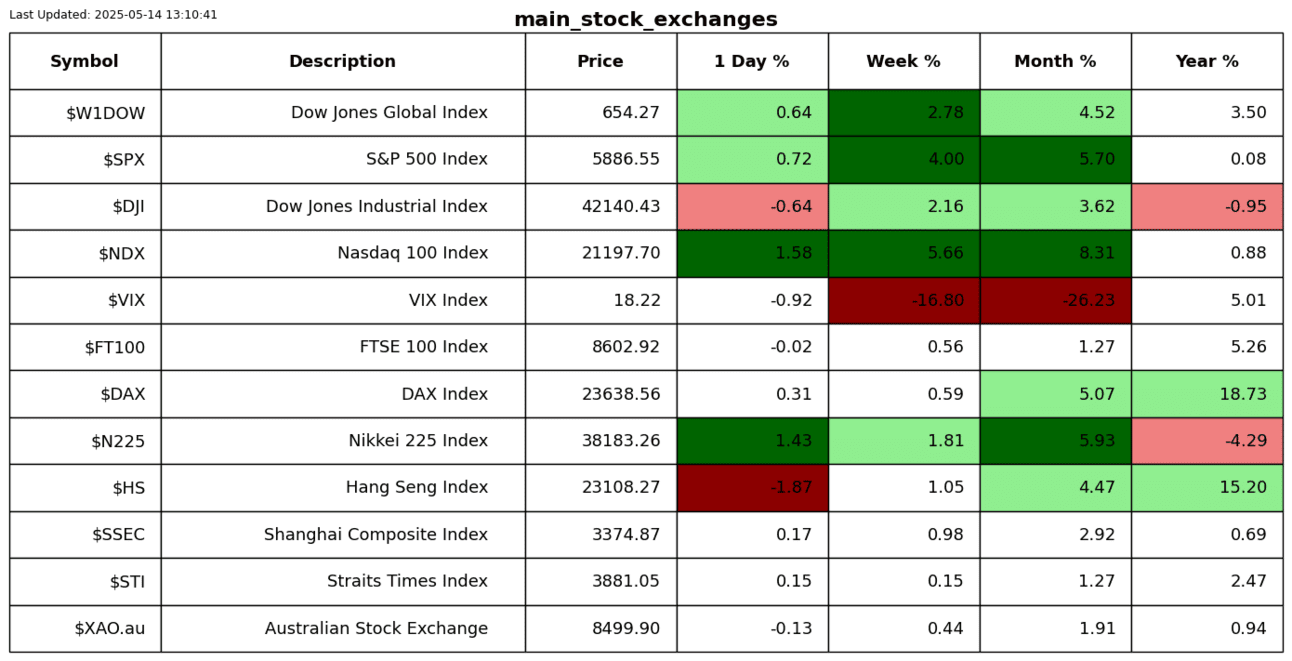
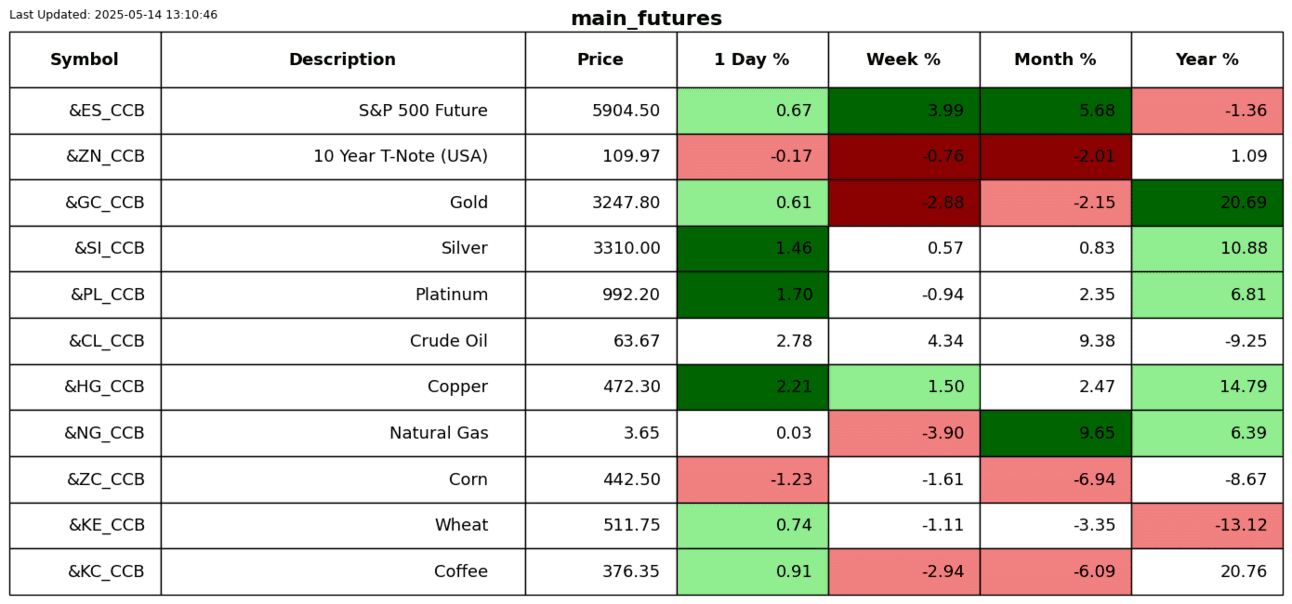
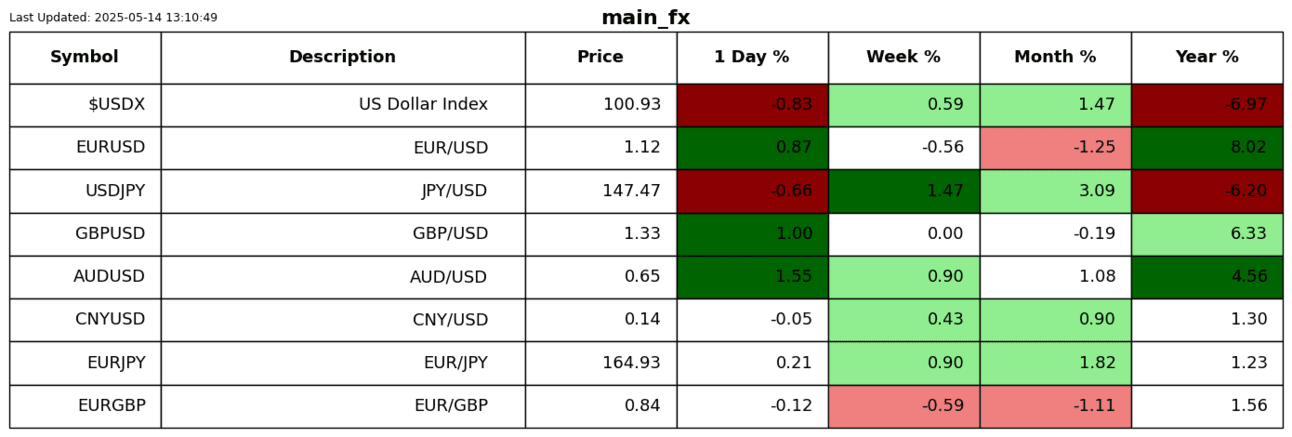

S2N chart gallery
S2N news today
Author
Michael Berman, PhD
Signal2Noise (S2N) News
Michael has decades of experience as a professional trader, hedge fund manager and incubator of emerging traders.

















