Court cracks the tariff dam: Markets surf the euphoria wave
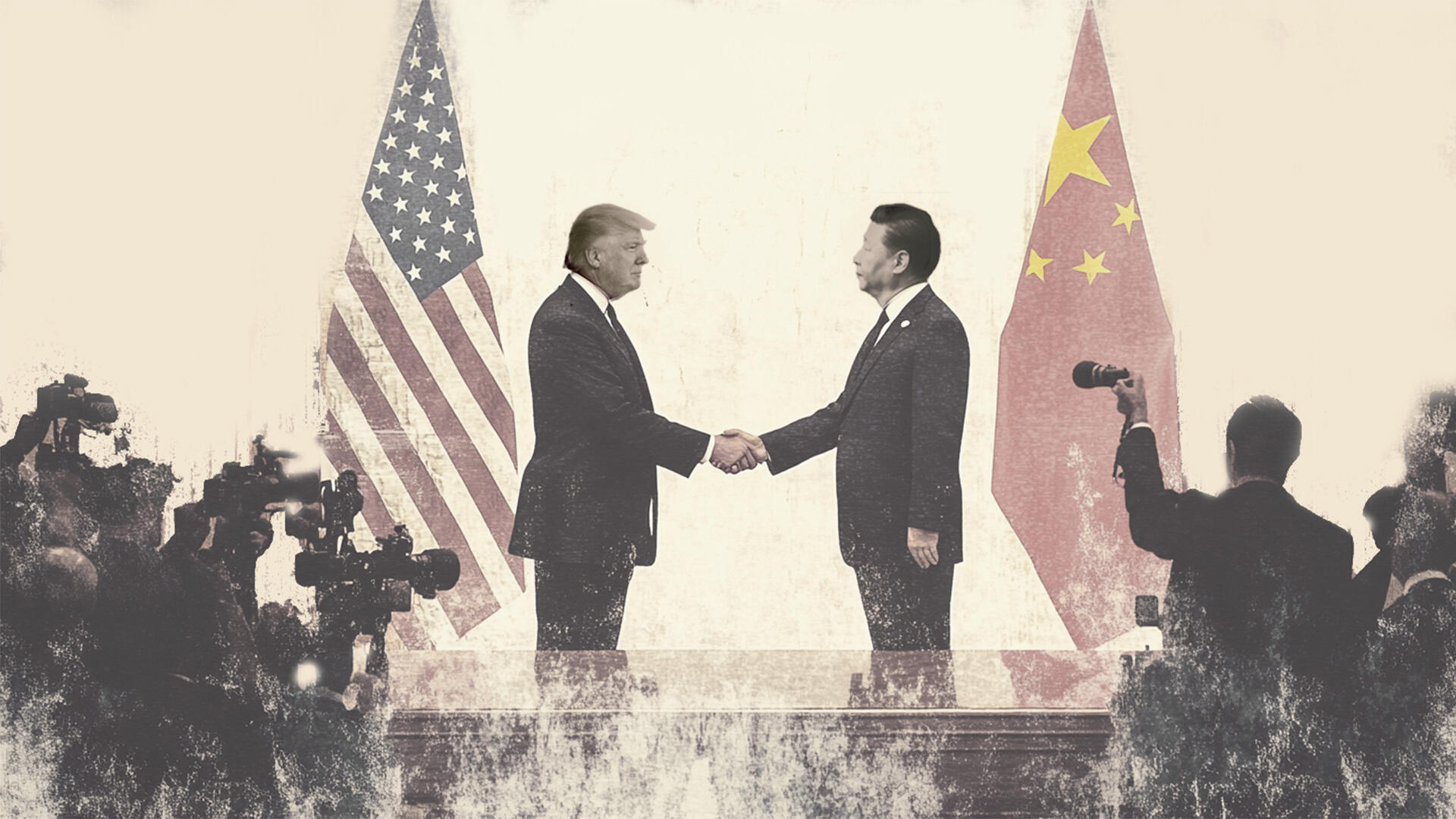
Just when traders thought they’d seen every twist in the tariff saga, the gavel dropped like a lightning bolt over the Pacific. In a blow to Trump’s tariff-centric economic blueprint, the U.S. Court of International Trade slammed the brakes on his sweeping global levies—ruling that the President had overreached, misusing emergency economic powers to bulldoze through trade policy like a wrecking ball in a china shop.
Cue the futures: surging like a rogue tide caught in a moonlit updraft, extending the post-NVDA mania into something more than just an AI sugar high. This wasn’t just about Nvidia anymore—this was the market exhaling after weeks of white-knuckle volatility sparked by trade war brinkmanship.
For weeks, Trump had turned global trade into a game of chicken, daring trading partners to blink first. But today, it wasn’t about Trump hitting the tariff brakes or a US-China trade deal —it was a panel of judges in Manhattan. And their message was clear: the Oval Office isn’t a trading desk, and the Constitution isn’t a blank check.
This ruling is more than just a legal footnote. It’s a structural pivot in the narrative: from strongman tariffs to institutional guardrails. And traders, ever the momentum-chasing species, are already front-running the unwind.
But don’t kid yourself. The appeal is coming. Trump doesn’t fold on first serve. Yet the message has landed: executive overreach may finally have found its ceiling. And with it, a fresh dose of macro stability—at least until the next headline.
For now, the tape tells a story of relief. A legal circuit breaker just got thrown into the trade war algorithm, and for the first time in weeks, price action is hinting at something traders haven’t dared utter out loud:
Clarity?
Or at least, a brief respite before the next thunderclap.
Author

Stephen Innes
SPI Asset Management
With more than 25 years of experience, Stephen has a deep-seated knowledge of G10 and Asian currency markets as well as precious metal and oil markets.















