Carry trade gets carried out

S2N spotlight
I wasn’t planning on writing this when I started typing. My heading was intended for today’s spotlight, but I got the better of myself. Something visceral said, 'Write what is foremost on your mind.”
I was quietly reading the newspaper and enjoying my coffee this morning at Bondi Beach. Today is a 40-degree Celsius scorcher, so forgive me for getting a little hot under my uncollared t-shirt. This article spoiled everything. I was already smarting from an article I read last week about Howard Lutnick’s sons running Cantor Fitzgerald and the record profits they were making from people suddenly wanting to do deals with the firm.

There is an old idea in political philosophy that the greatest threat to a republic is not the enemy at the gates, but the quiet convergence of private interest with public power. Empires don’t fall because their armies grow weak; they fall because the boundary between governance and gain grows porous.
Watching modern politics, it’s hard not to feel that boundary thinning again.
When the son of a sitting president wins a major government contract…
When the sons of a powerful financial titan see business soar while their father holds influence over policy…
When real-estate empires and political appointments begin to rhyme too neatly…
It’s tempting to respond with outrage or to point fingers at individuals. But the deeper issue isn’t about Trump, or Lutnick, or Witkoff, or any particular country. It’s not even uniquely American — though the U.S. has turned the fusion of business and power into a kind of Olympic sport.
The real problem is older and more structural:
When public office becomes a force multiplier for private fortune, the incentives of democracy quietly invert.
Instead of serving citizens, political power becomes a strategic asset in a family portfolio.
Instead of competitive markets, we get dynastic opportunity structures.
Instead of merit, we get proximity.
But sometimes the problem is not that the rules are broken. It’s that the rules are written in a way that lets the game break us. My mood is pissed off. I hate it when merit is sidelined for the gain of a few who exercise their power like I flex in the mirror after a shower. Both images are not pretty.
Just remember the market and its power brokers couldn’t care about my feelings. Accepting that is half the battle. With that rant out of the way, let me make some further observations.
S2N observations
For those of you with a shorter memory than my goldfish, the Japanese stock market crashed 12% on the 5th of August 2024. Yes, not so long ago, but it feels like a lifetime. The reason I draw your attention to this date is because that is when the Japanese carry trade started to get carried out. By some measures it supports more than $20 trillion of investments we are all familiar with.
A quick refresher: Japan is the country where government borrowing is an Olympic sport. To help lubricate the process, the BOJ (Bank of Japan) helped drive interest rates below zero. Yes, you heard that correctly if you are new to the game of hide the yield.
The game is played by shorting Japanese bonds – basically free money – with the added kicker of a weakening yen making it even cheaper. The game paid you to play and gave you a stack to invest in higher-yielding assets. In fact, you didn’t need higher yielding because there was almost no yield to carry, so you could invest in higher-risk assets.
Take a look below, folks, at the steepening of the government bond yields in Japan. Sh1t just got real. If yields stay like they are or climb higher, there will no doubt be more selling of assets to repay the bonds that are killing investors who shorted them at negligible interest rates.

The carry unwind is a good intro to the record SOFR volume above $3 trillion.
Secure Overnight Funding Rate is not just a rate — it is a measurement of the plumbing of the global dollar funding system. When volumes explode, it is rarely random. It is a signal about stress, liquidity preference, collateral demand, and institutional behaviour. This is signal-to-noise (S2N). It’s my pleasure.
When SOFR volumes break above $3 trillion. It tells you the modern financial system prefers the safety of overnight collateral to the risk of real investment. It tells you banks are screaming that they are only comfortable living one day at a time. I wonder why.

My favourite data visualisers are the Visual Capitalists. I found it interesting that Japan invests in their local market as much as the US does in their own market - 78%.
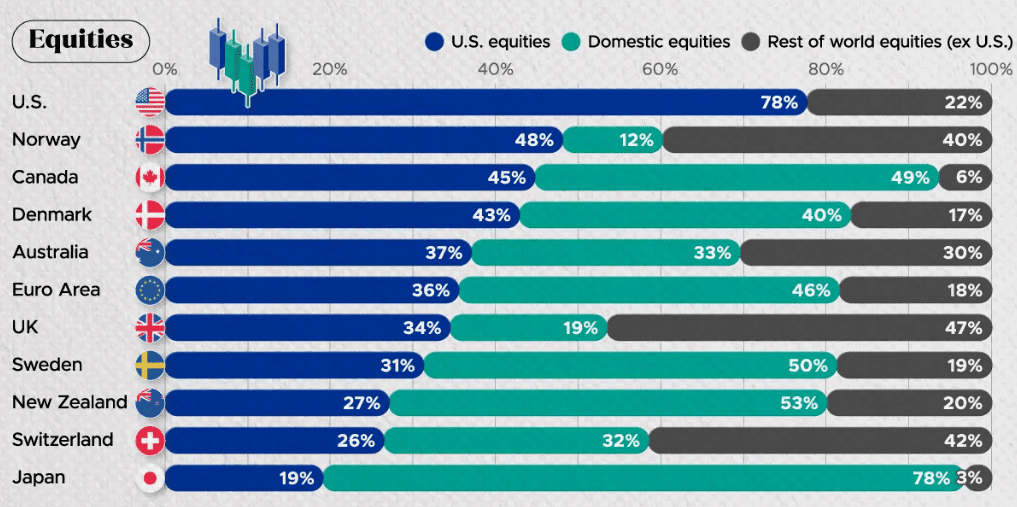
The Japanese are even more parochial when it comes to investing in local bonds. 80% to the US’s 77%.

S2N screener alert
The Spanish and Brazilian stock markets make new ATHs.


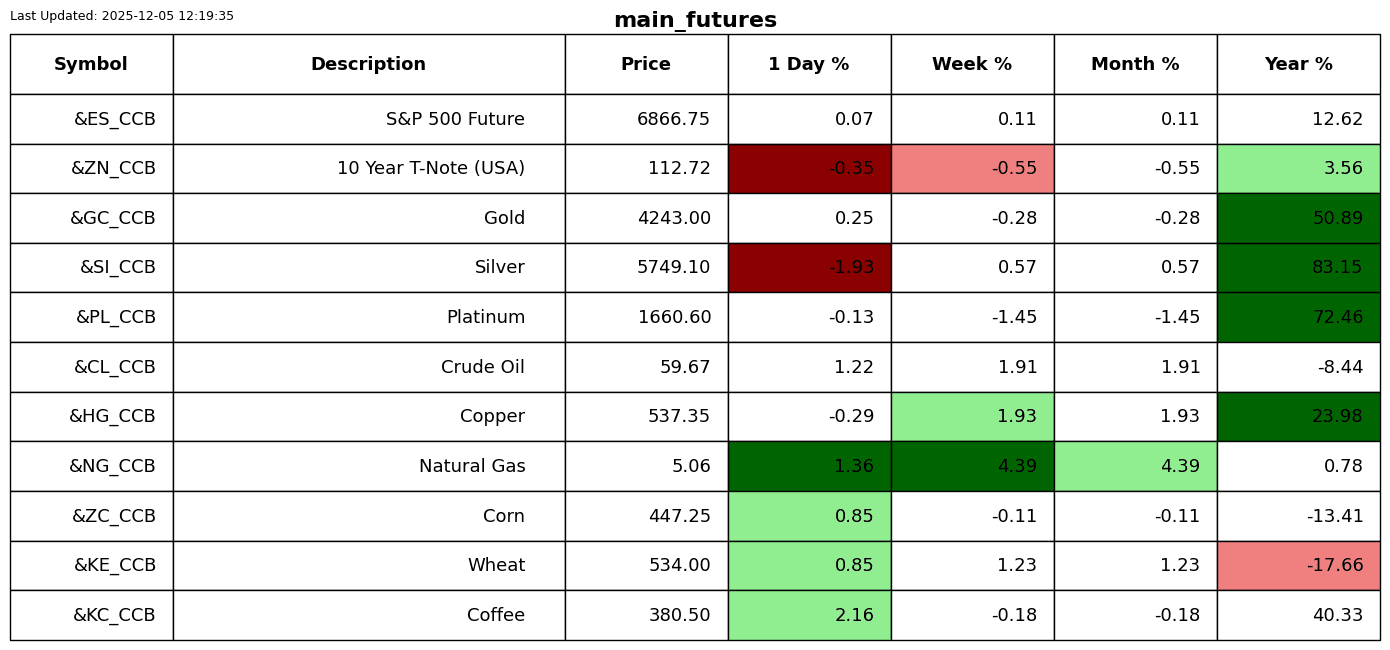
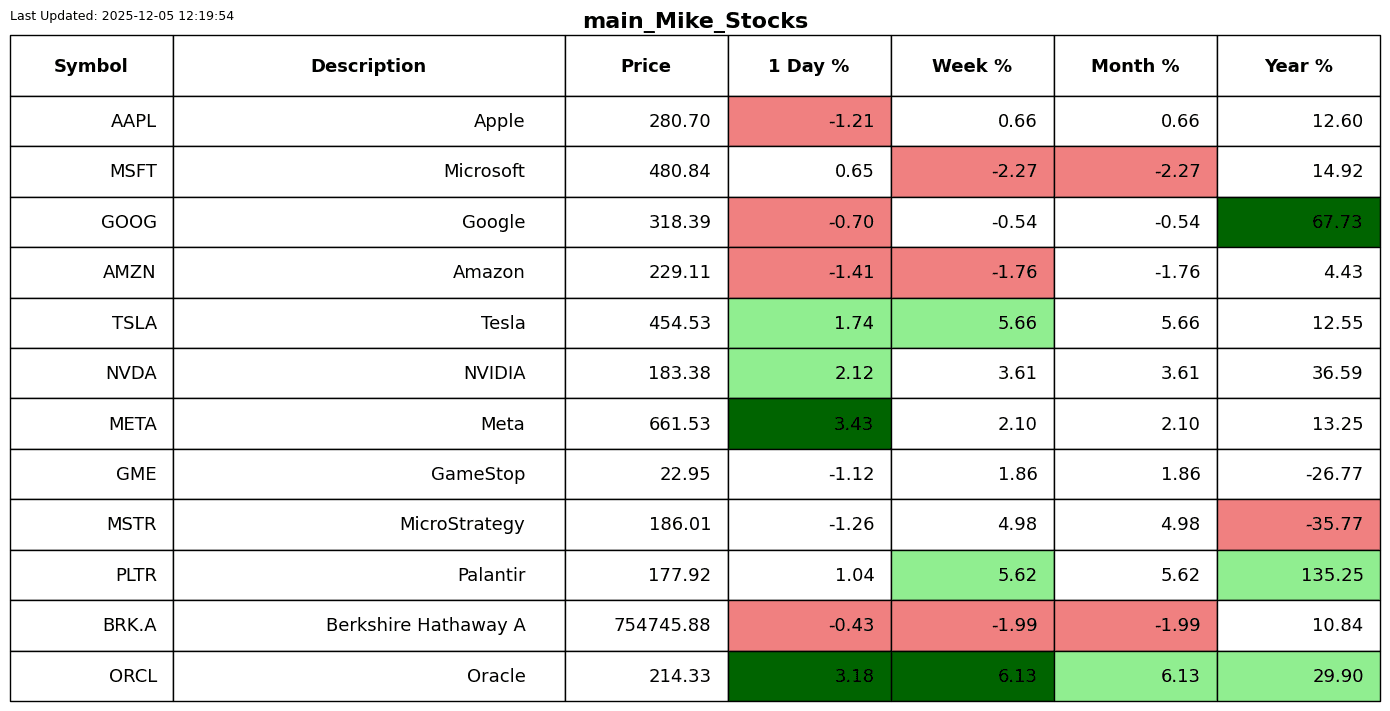
S2N performance review





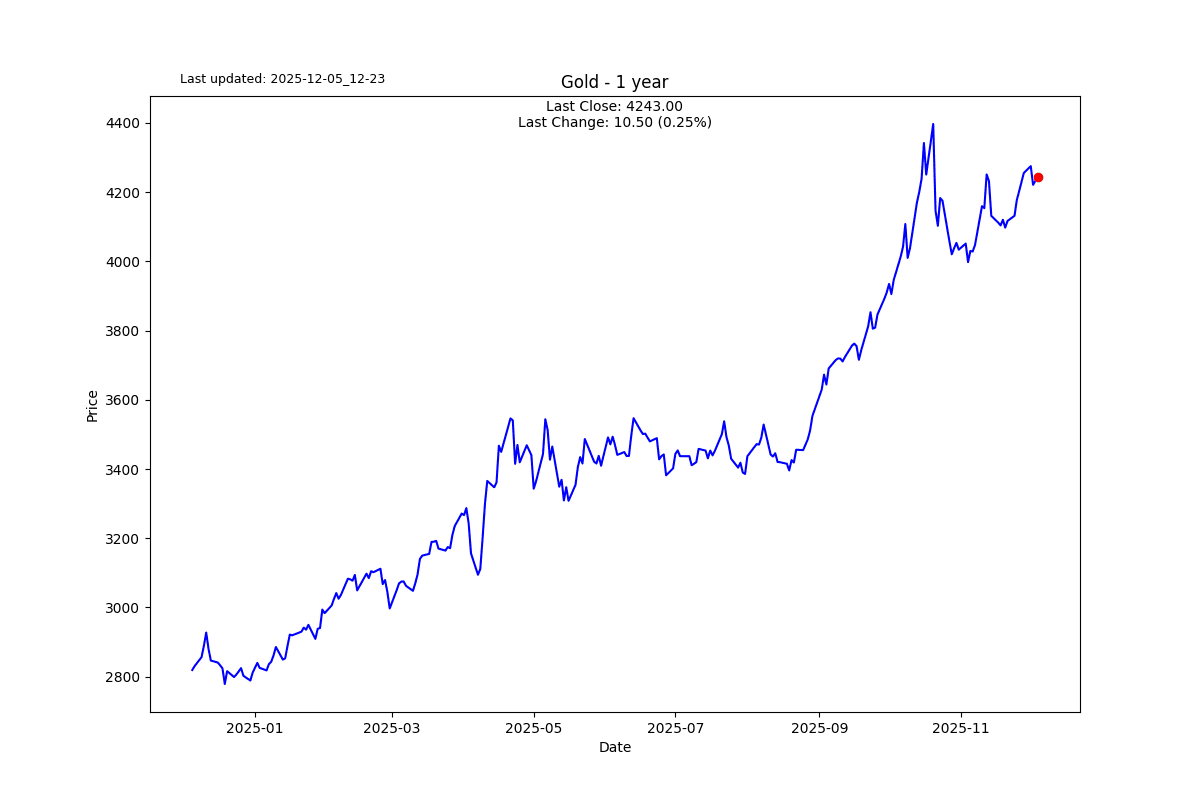
S2N chart gallery


S2N news today
Author
Michael Berman, PhD
Signal2Noise (S2N) News
Michael has decades of experience as a professional trader, hedge fund manager and incubator of emerging traders.