Canadian prime minister reveals motives behind de-dollarization
Do you want to know why the U.S. Treasury market is selling off?
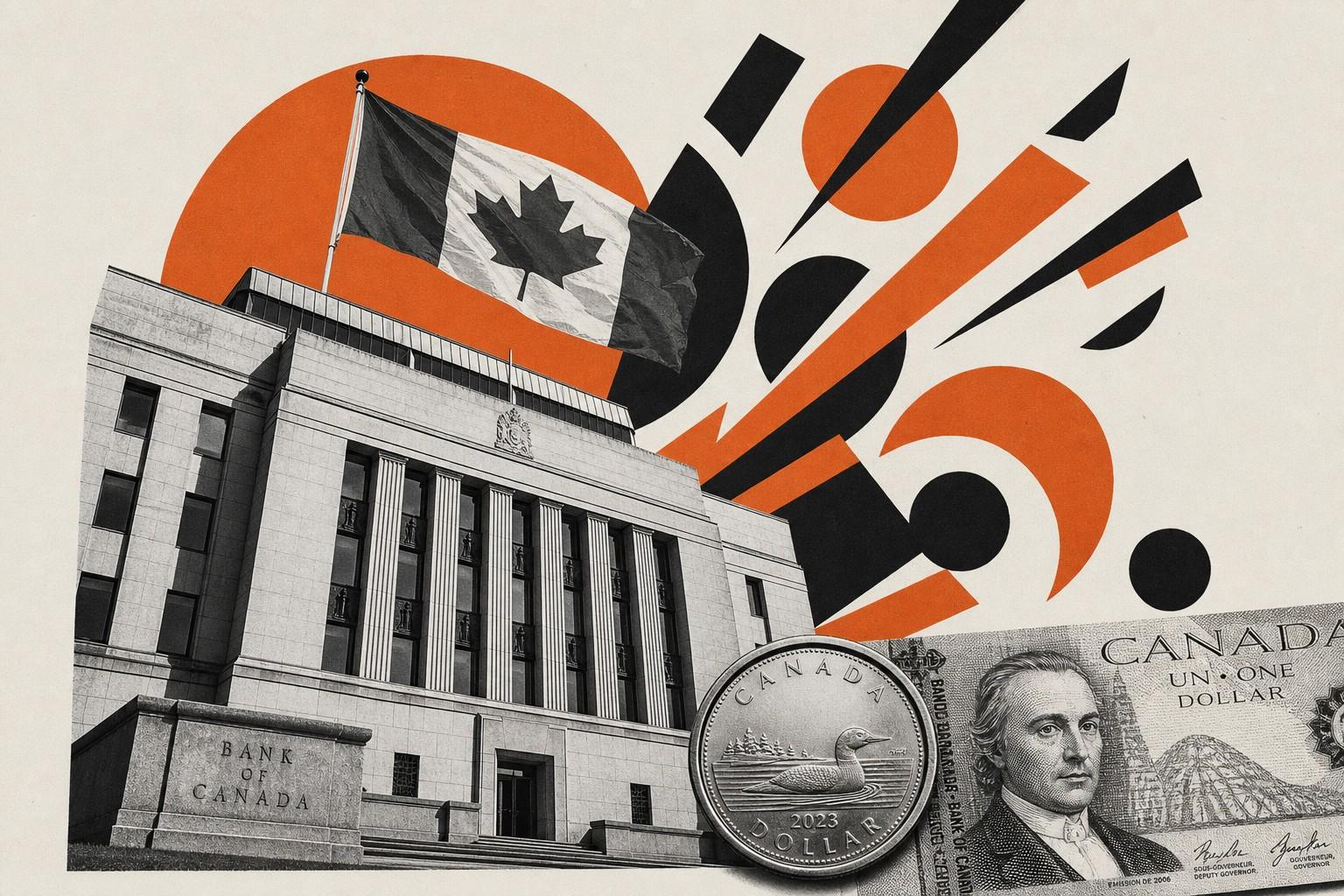
Listen closely to Canadian Prime Minister Mark Carney. He thinks the world should find an alternative to the U.S. dollar.
Now, you might not care what Canadians think. You might think Carney is the son of a silly person. Nevertheless, the head of a neighboring country that has traditionally been a close U.S. ally just called for the world to dump the dollar, or at least minimize its role as the global reserve.
And a lot of people agree with him.
That’s why so many central banks are buying gold and shedding U.S. Treasuries.
They call this dollar selloff “the debasement trade.” It is an investment strategy emphasizing holding tangible assets such as gold, silver, and other commodities to protect against the decline of fiat currencies caused by monetary debasement.
Two things are driving the debasement trade.
First, many countries and investors have grown wary of lending the U.S. more money, with its $40 trillion debt and no inclination to slow borrowing and spending.
As The Globe and Mail explained, “The dollar’s pre-eminence stems from the sophistication, liquidity and depth of U.S. financial markets, and the perception that U.S. Treasury bonds remain the world’s safest asset.”
However, America’s fiscal malfeasance has undermined that narrative.
“The latter assumption is increasingly being called into question as the U.S. federal debt surpasses $ 40 trillion and as President Donald Trump undermines the rules-based foundations of the international trading system that the United States created.”
Second, the U.S. has weaponized the dollar, turning it into a foreign policy billy club. It’s no coincidence that the debasement trade took off around the same time the U.S. and its Western allies aggressively sanctioned Russia and effectively locked it out of the global financial system after it invaded Ukraine.
The U.S. recently doubled down on its weaponization of the currency, threatening to sanction any company or country supporting Iranian airlines. Treasury Secretary Scott Bessent warned any party suspected of supporting Iranian air travel could be “knocked out” of the dollar system.
Dollar weaponization seems to be the bee in Prime Minister Carney’s bonnet.
In a speech last week before the EU Parliament, he warned, “financial mechanisms are being used for coercive purposes,” and he hinted at the need for closer cooperation between Canada and Europe in developing “payment systems” that bypass those controlled by the U.S.
In a New York Times interview, Carney doubled down, saying the world needs to move to a “multipolar system” using several reserve currencies. He said this would “provide more flexibility.”
Carney words reflect the actions of many policymakers around the world. They are looking for ways to minimize their dependence on the dollar. And it makes sense when you think about it. If somebody threatens to pull a rug out from under you, you want to get the rug out of the room.
Enter de-dollarization.
Many countries have seen the writing on the wall. Not wanting to be under the U.S. government’s thumb, they’ve started taking steps to limit their exposure to the dollar and dollar assets. As Carney hinted, the U.S. can’t sanction your dollar activities if you don’t have any.
“It’s the ‘fool me once, fool me twice’ point. Once you see that, then you start to think, how do I diversify away?”
Carney served as Bank of England governor and in 2019, he floated a proposal for a “synthetic hegemonic currency” (SHC). It would be a hybrid money made up of central bank digital currencies. At the time, Carney said, “An SHC could dampen the domineering influence of the U.S. dollar on global trade.” (This is a horrible idea, by the way.)
This isn’t likely any time soon, and the dollar isn’t at immediate risk of falling off its perch, but you ignore voices like Carney’s at your own risk.
He’s telling you exactly why de-dollarization is growing.
You may not like it. You may think it’s dumb. You may laugh Carney off as a left-wing nut-job. You may not care what Canada thinks. You may believe the U.S. has every right to use the dollar as a weapon and that it’s good foreign policy. But what you think doesn’t change reality.
And the reality is the guy running the 11th-largest economy in the world is saying he wants to minimize the role of the dollar.
That's significant, whether we agree with his assessment or not. It's even more significant if other world leaders agree. (And they do.)
If the de-dollarization trend continues, it spells big trouble for the U.S. – even if the dollar maintains its reserve status.
Earlier this month during a CNBC interview, Bessent declared, “Dollar dominance is essential.”
He went on to insist, “I think we should not be shy about flexing where we have advantages … and push back on those who are not aligned with us.”
But Bessent may be overstating his case. Yes. Dollar dominance is essential for the U.S. For the rest of the world – not so much.
Simply put, the United States depends on the global demand for dollars to underpin its bloated government. De-dollarization threatens an inflation tsunami as those unwanted dollars make their way back to the U.S.
The dollar’s role as the world's reserve currency is the only reason the U.S. can borrow, spend, and run massive budget deficits to the extent it does. It creates a built-in global demand for dollars and dollar-denominated assets. This absorbs the Federal Reserve’s money creation and helps maintain dollar strength despite the Federal Reserve’s inflationary policies.
But what happens if that demand drops?
A de-dollarization of the world economy could cause a dollar glut. The U.S. currency could further depreciate. At the extreme, global de-dollarization could spark a currency crisis. You and I would feel the impact through higher price inflation, eating away at the dollar's purchasing power. In the worst-case scenario, it could lead to hyperinflation.
Whether you like Carney or not, you’d be wise to listen to the words coming out of his mouth. He reflects a growing global consensus. The U.S. can’t be trusted. It's risky to hold rapidly devaluing dollars. Maybe we should try something else.
To receive free commentary and analysis on the gold and silver markets, click here to be added to the Money Metals news service.
Author

Mike Maharrey
Money Metals Exchange
Mike Maharrey is a journalist and market analyst for MoneyMetals.com with over a decade of experience in precious metals. He holds a BS in accounting from the University of Kentucky and a BA in journalism from the University of South Florida.