RBA recap: Rate hikes are on the table as demand stays too strong
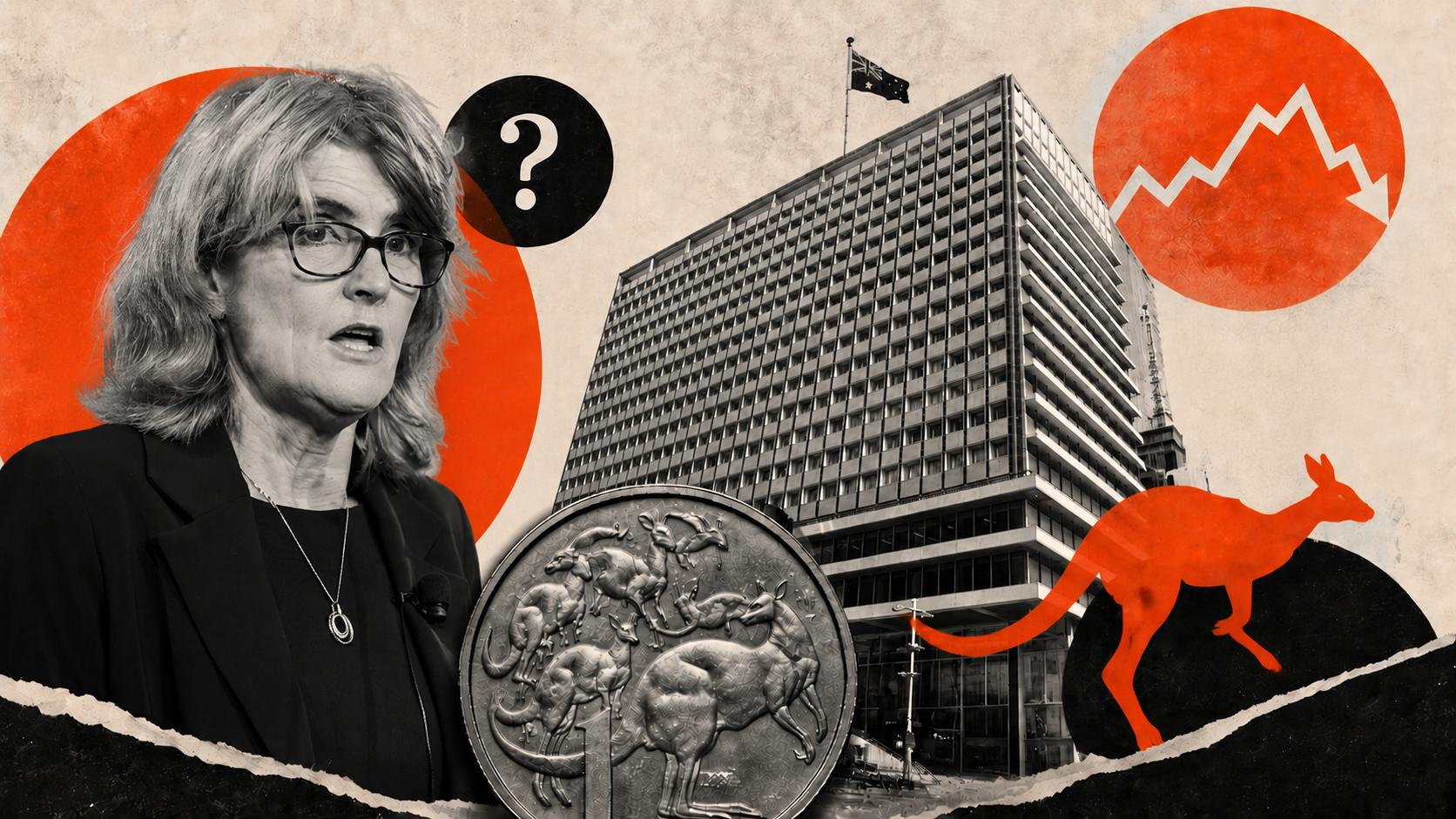
The Reserve Bank of Australia (RBA) unanimously tightened monetary policy, warning that inflation remained too high and that several upside risks had begun to materialise. Governor Michele Bullock said the Board would raise rates again if necessary, although it still hoped to bring demand and inflation down without triggering a recession.
The central bank said the Middle East conflict had pushed global energy prices well above the assumptions used in its August forecasts. That said, inflation outcomes had also been stronger than expected, while short-term inflation expectations remained elevated. Although the three rate increases delivered since the start of the year had tightened financial conditions and slowed the economy, the Board judged that further restraint was needed to return inflation to the bank's target within a reasonable timeframe.
Governor Michele Bullock said that current inflation was being driven mainly by domestic capacity pressures and that price pressures were likely to last longer than previously expected. The longer the Middle East conflict continued, she warned, the more likely businesses would be to pass higher energy and other costs on to consumers. The RBA is also monitoring building inflation risks from the AI investment boom.
The labour market has eased broadly as expected, but unemployment remains historically low and demand is still too strong. Bullock said the Board had considered leaving rates unchanged but ultimately concluded that it had to act. She described financial conditions as restrictive, said the policy stance was near the top of the neutral range and stressed that the aim was to tighten in a measured way.
The RBA does not regard recession as its central case and remains confident that inflation can eventually return to target. However, Bullock said policymakers would need to see quarterly core inflation settle around 0.6% before gaining greater confidence that price pressures were moderating. The upcoming Q3 CPI report, she added, was likely to confirm the existing picture rather than fundamentally change it.
Conclusion
The RBA delivered a hawkish tightening. Indeed, the bank’s decision reflects a clear deterioration in the inflation outlook, driven by stronger domestic pressures, elevated expectations and a worsening energy shock. Further rate increases remain firmly possible, although the Board is still trying to calibrate policy carefully enough to cool demand without forcing the economy into recession.
Author

Pablo Piovano
FXStreet
Born and bred in Argentina, Pablo has been carrying on with his passion for FX markets and trading since his first college years.
















