Canadian Jobs Preview: Three reasons why this publication provides a straightforward trading opportunity
- Pandemic boom and bust figures have faded, leaving room for a "normal" jobs report.
- Rising oil prices and NFP-fueled Fed tapering expectations offset each other.
- The Canadian dollar tends to react slowly to data, leveling the playing field for traders.

Trading a jobs report is never easy – and COVID-19 has made it even more erratic. However, the upcoming employment figures from Canada could be an opportunity to trade USD/CAD
Economists expect Canada to report an increase of 60,000 jobs in September after printing 90,200 in August. Similar to other countries, the northern nation has been extending its recovery yet uncertainty looms. It is unclear where the economy lands.
However, there are fewer factors skewing the outcome – and the market reaction – are set to make way for a more straightforward reaction. What does that mean? The loonie could rise in response to a better than expected figure and drop if Canada creates fewer jobs
Here are three reasons to expect a tradeable outcome:
1) Back to normality
As the chart below shows, Canada had its share of massive job destruction and creation around COVID-19.
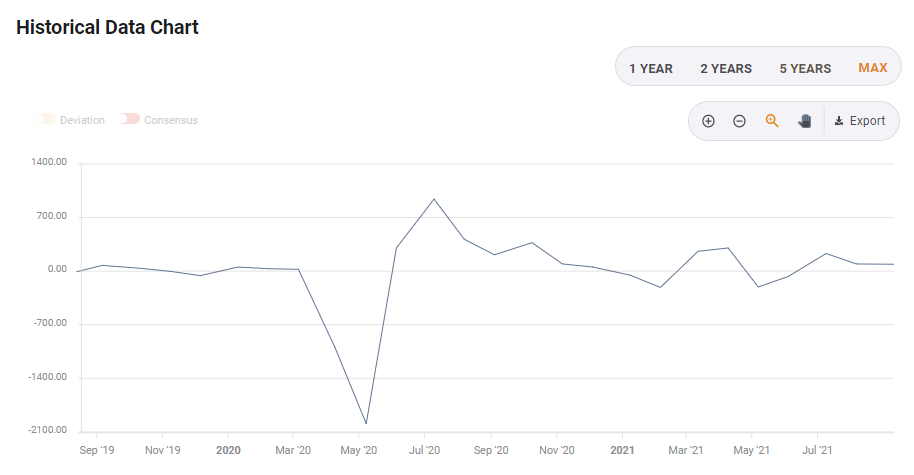
Source: FXStreet
However, each coronavirus wave has a smaller impact on the economy as businesses and employees learn to adapt. Moreover, the last covid wave – of the highly contagious Delta variant – has hit Canada far less than the US. The main reason is the high vaccination rate in Canada, which is in the world´s top.
A lower load of covid cases means businesses can better plan, making hiring more straightforward and less erratic.
COVID-19 infections in Canada and the US:
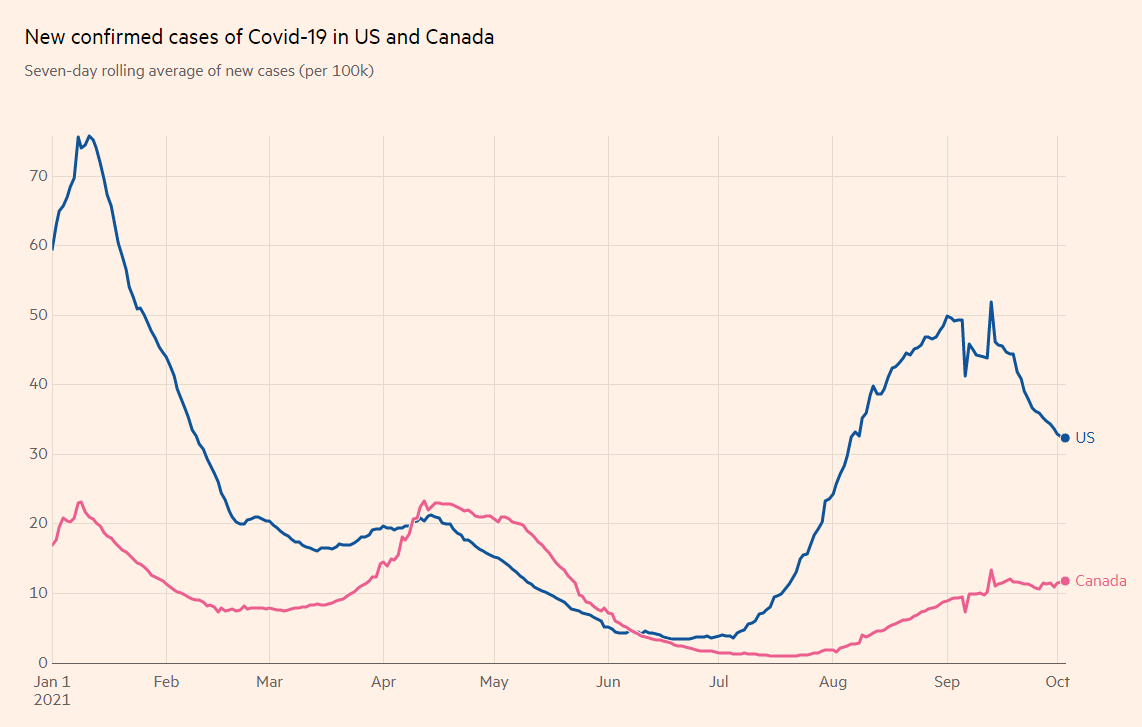
Source: FT
Investors expect fewer unreasonable surprises, leaving room for genuine changes to the labor market more significant and more impactful.
2) Balanced external factors
As in many cases, Canada's jobs report is released in tandem with America's Nonfarm Payrolls. The US publication tends to shake markets and often impacts USD/CAD more than the labor report from up north. However, this publication is different.
The Federal Reserve has already signaled it would taper its bond-buying scheme in November, leaving only a small window to escape that decision. It would take a disastrous NFP to cause the Fed to rethink its policy change. In all likelihood, the jobs report would cement the decision and support the greenback.
While USD/CAD would benefit from the NFP, another external factor is already dragging it down – oil prices. Prices of Canada's key export have been lagging behind soaring costs of natural gas, but have now joined the rally. The surge of WTI Crude Oil to the highest since 2014 keeps the loonie bid.
All in all, external factors offset each other and leave Canada's jobs report as the final arbiter of USD/CAD's moves.
3) C$ is a slow mover
Canadians are considered nice-mannered and calm – and their currency tends to mimic the national psyche. Before the pandemic, the C$ tended to react to upbeat jobs by rising and then gradually extending these gains. A disappointing figure would trigger a fall and then further declines. The fading of the pandemic allows these days to return.
Contrary to other currencies where algorithms trigger a reaction at the speed of light, then a remarkable U-turn and then choppy trading, the loonie is steadier – leveling the playing field for retail traders.
Conclusion
Canada is set to report a healthy increase of 60,000 jobs in post-pandemic growth. Several factors suggest the reaction would be straightforward, providing trading opportunities to trade the event.
Author

Yohay Elam
FXStreet
Yohay is in Forex since 2008 when he founded Forex Crunch, a blog crafted in his free time that turned into a fully-fledged currency website later sold to Finixio.