BoE is an inflation targeting central bank
- Divisions appear at the BoE about the level of the Bank rate
- August meeting is unlikely to see more divisions
- After that, all depends on the Q2 growth performance
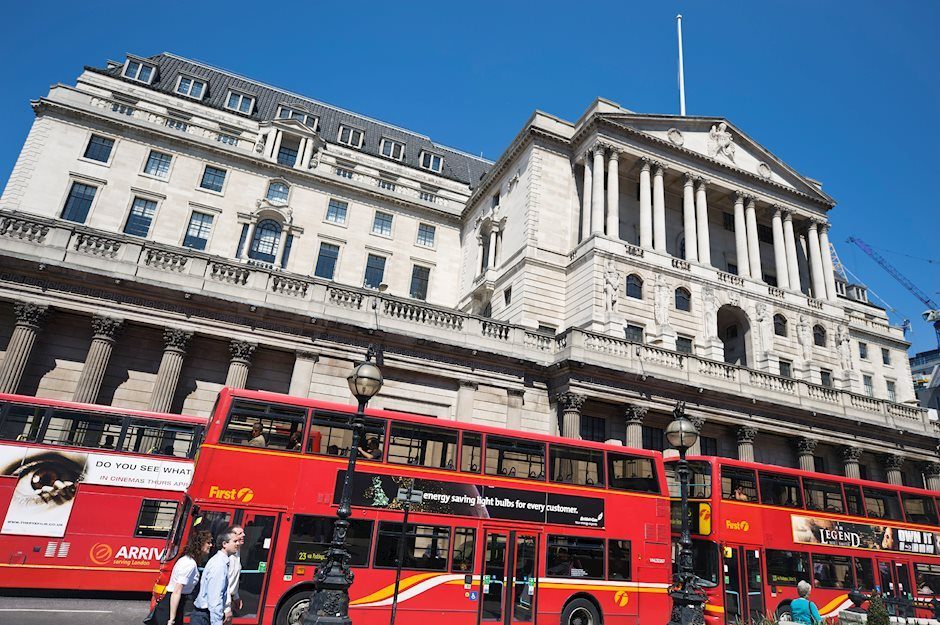

Negotiating Brexit was sure to cause a headache to the British government. It appears that the task of the Bank of England will be no less difficult. The BoE is an inflation targeting central bank. When activity growth is sub-par, monetary policy becomes accommodative to insure inflation is not running too slow; when growth exceeds potential, it has to be slowed down through monetary tightening to be sure inflation is not running out of control. A central bank can only hope to influence domestic trends: it does not have any power on energy prices that are determined on a global market. That is why central banks usually choose to target, more or less officially, core inflation. The current issue for the BoE is not about energy inflation but about imported inflation, which is linked to the external value of the pound. Following the Brexit referendum, the pound collapsed. In effective terms, it has lost around 13%, resulting in an upward trend in the prices of imports, which in turn led to inflation accelerating quite markedly. As long as the pound does not further depreciate, inflation will eventually decelerate. The purchasing power losses due to imported inflation could even result in markedly lower inflation after base effects do disappear. In this case, monetary policy should remain accommodative. However, were the pound to depreciate further, higher inflation would persist and second-round effects could appear. The question here is not about the uncertainties surrounding the value of the pound. This time, the BoE does not just have to take this into account: it also has to keep in mind that its policy is a key determinant of the value of the pound. Too accommodative a policy would add to the downward pressures on the pound; too tight a monetary policy would slow the economy down. This represents the quest of the perfect monetary mix. The Monetary Policy Committee is getting more and more divided on what to do. In February, the MPC was unanimous in deciding the status quo. In June, three of the eight members voted in favour of increasing the Bank rate from its current 0.25% level. Next meeting will be held in early August and the status quo will prevail once more, but after that? A lot will depend on the performance of the British economy in Q2. And this, we will not know before end-September.
Download The Full Economic Indicators
Author
BNP Paribas Team
BNP Paribas
BNP Paribas Economic Research Department is a worldwide function, part of Corporate and Investment Banking, at the service of both the Bank and its customers.

















