Bitcoin ETF finally approved by SEC
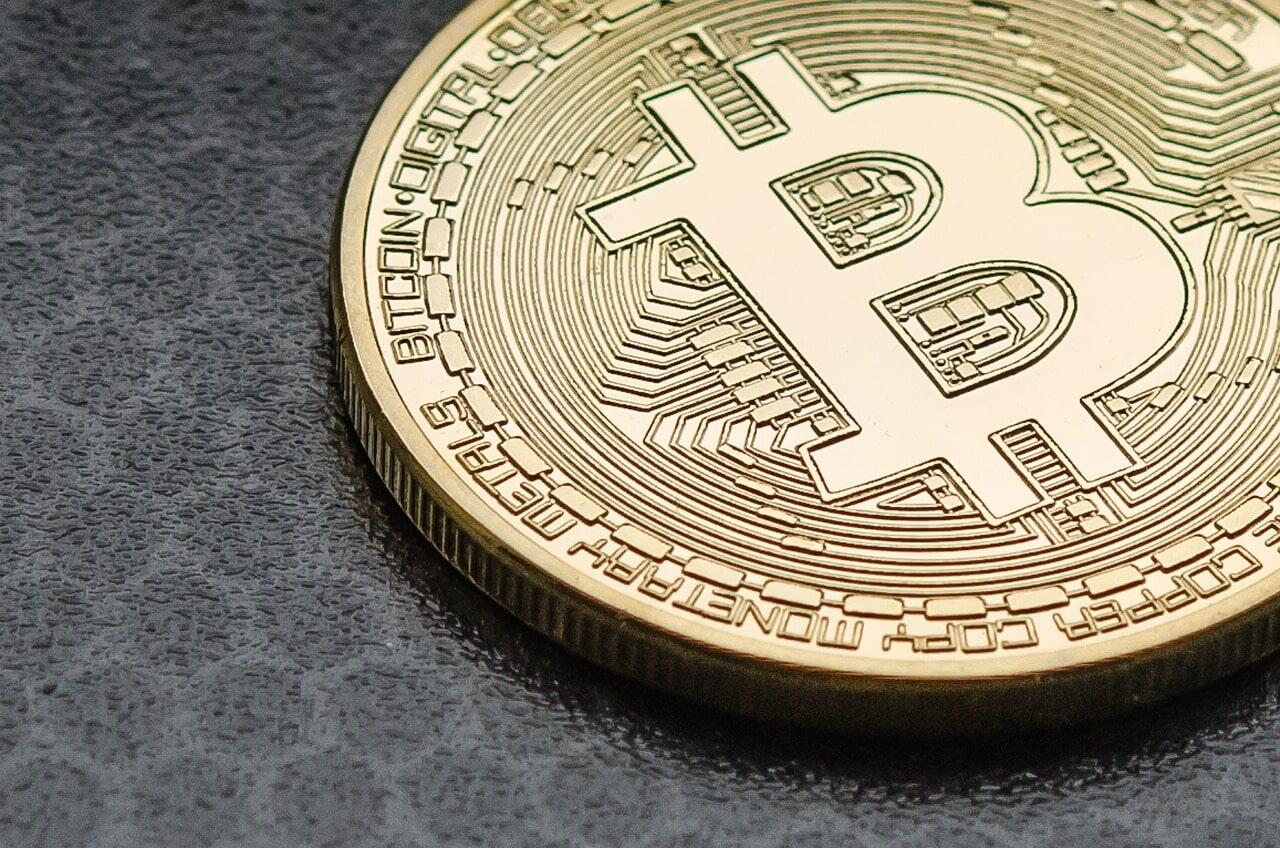
The SEC announced late on Wednesday that it would approve Blackrock’s Bitcoin ETF, which will allow 11 funds to begin trading as early as Thursday. This is a landmark move that has been more than a decade in the making. For some, this is considered the moment that cryptocurrency gains legitimacy and goes mainstream. In ETF form, bitcoin is now easier to trade and is more closely linked to regulated entities.
This marks a new chapter for cryptocurrency, that has been beset by controversies in recent years, most recently the collapse of Sam Bankman Fried’s FTX empire. However, the big question for investors is how will a bitcoin ETF impact the market?
The initial market moves in the Bitcoin/USD cross after the announcement, saw bitcoin’s price fall back below $45,500, at one point on Wednesday the price had been above $46,500. This could be a “buy the rumour, sell the fact” move from the markets. There had been a huge amount of anticipation in recent weeks that the SEC would grant approval to the Bitcoin ETF, including a bogus tweet on X on Tuesday, that said approval had been granted. Bitcoin has rallied by nearly 70% since October last year, so a lot of the good news about ETF status may have already been priced in.
It will take a few months to see how a bitcoin ETF impacts the crypto market, and who the buyers are. The SEC was very clear in its press release that this move to approve the first Bitcoin ETF does not mean that SEC endorses Bitcoin. However, the SEC has made it much easier for regular individuals to trade bitcoin, whether they endorse it or not. It is easy to assume that there would be lots of demand for this ETF from individuals, if you type Bitcoin into google it yields 715,000,000 results. Institutions can also consider holding bitcoin now that the SEC has approved an ETF.
Some argue that the ETF could make bitcoin less volatile in the future. If institutions have a target amount of bitcoin in their portfolios, then they may be forced to sell if the price gets too high, and forced to buy if the price gets too low, in order to maintain their targets. This could reduce the impact of Bitcoin’s wild price swings. However, we would need to understand what the appetite is for crypto from institutional money before we can make these assumptions.
Overall, this is a big day for Bitcoin, and financial markets in general, as a new asset class is tethered to the forces of financial market regulation. It will be interesting to see how this develops, and if it leads to a buying frenzy.
Author

Kathleen Brooks
XTB UK
Kathleen has nearly 15 years’ experience working with some of the leading retail trading and investment companies in the City of London.