Bias disguised as research


S2N spotlight
I want to show you how easy it is to avoid curve-fitting a trading strategy backtest but still curve-fit it.
I am going to work with a simple trend-following strategy that goes long when the price of the symbol is above the 200-day moving average and goes short when the close is below the 200-day moving average. The strategy closes out immediately when the closing price reverses to the other side of the 200-day. All closed-out trades are re-entered when the portfolio rebalances to an equal-weighted portfolio every quarter.
The point here is I have kept it simple for a reason: a simple moving average strategy with a fixed 200-day moving average. This number isn’t being curve-fitted to 169, for example, because that gives the best backtested returns. We stick with 200, as that is a well-respected number in the trading industry.
I apply it to 12 global stock indexes going back to 1990. These were the main indexes I had data for back to 1990. The results are positive but pretty dismal at just over 1% per annum compounded.
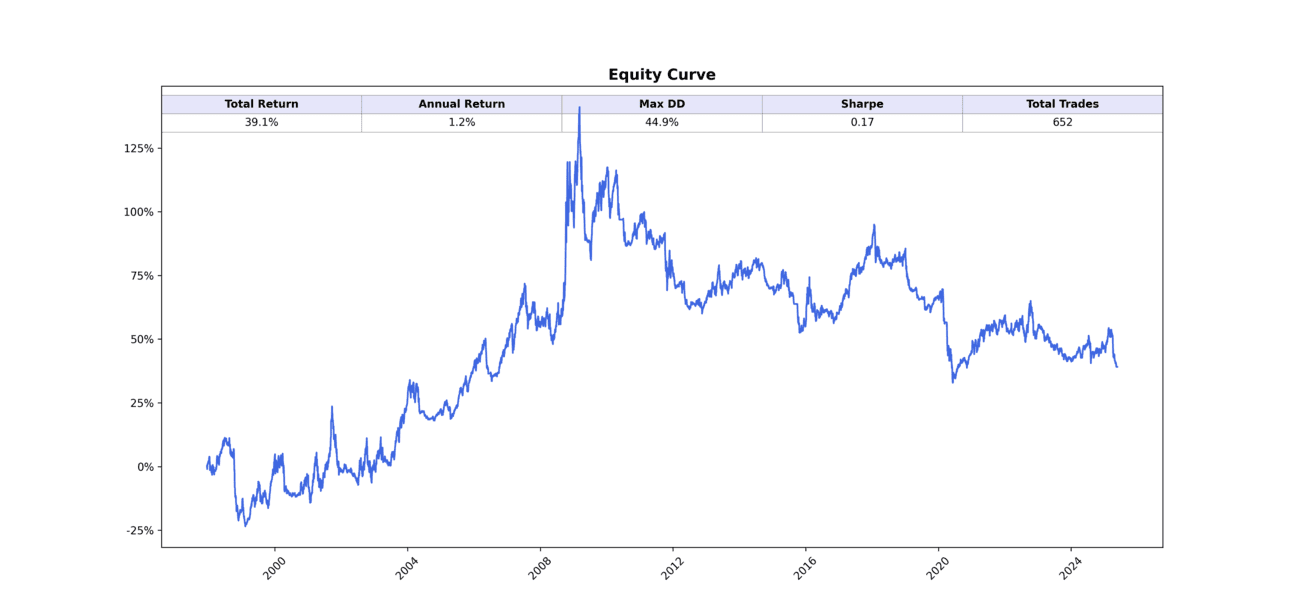
This is where things get interesting. I see this mistake made over and over again, and I find myself tempted each time as well. The trader doing the backtest feels that the strategy is robust; one just needs to see which symbols perform well with it. So you look through each symbol and find there are 4 that are profitable. So what do you do?
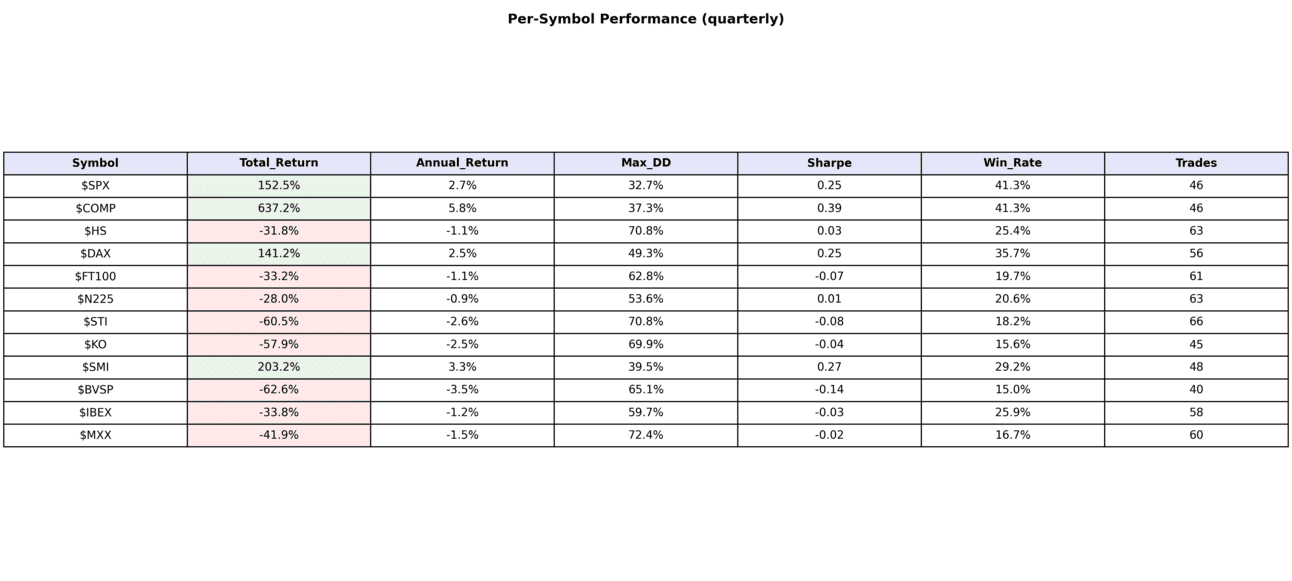
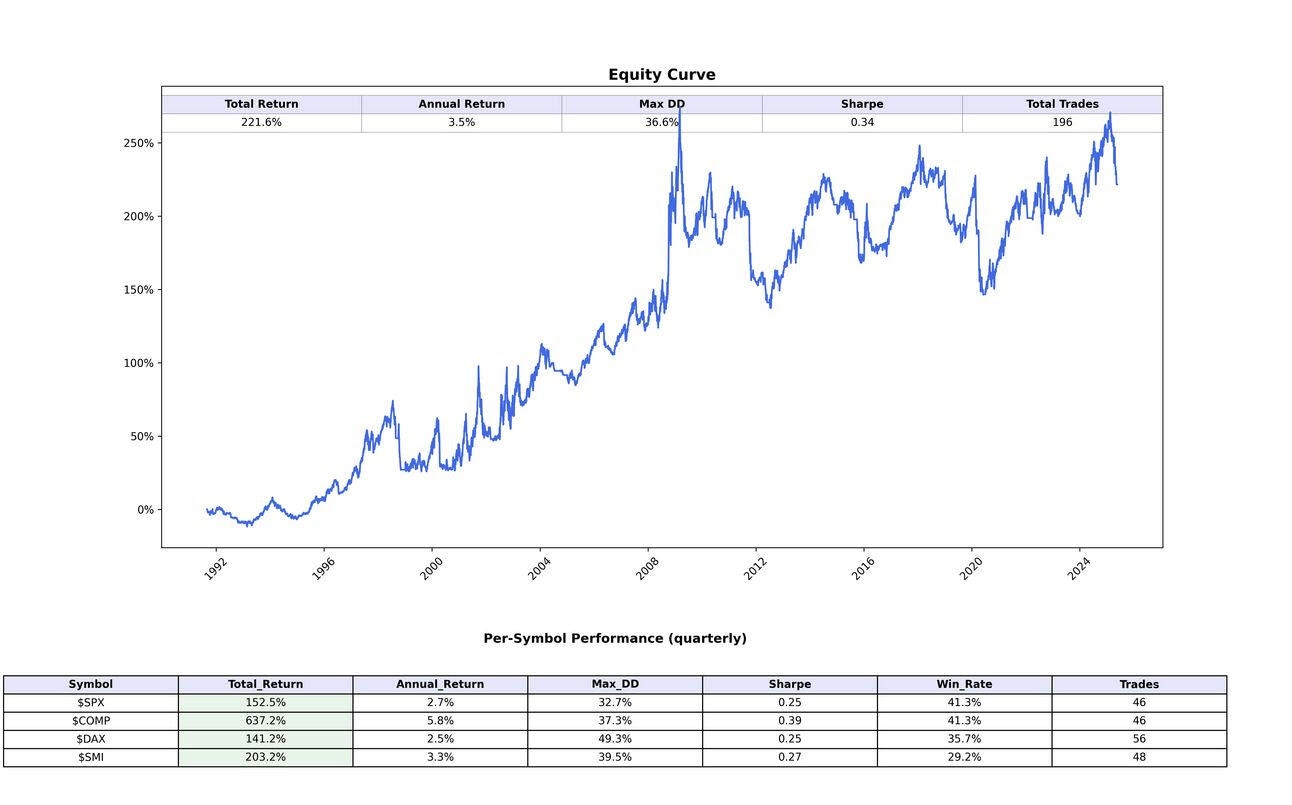
You choose those 4 profitable ones and say, I have a great portfolio strategy that has been profitable over 35 years. You have just curve-fitted your portfolio strategy. This is how it looks with hindsight bias. Be very careful when choosing a bunch of winners from the past without a robust approach that accepts that some investments will lose when one wins, and that is not a bad thing; it is diversification and a hedge and it is an important reason when building a backtested portfolio.
S2N observations
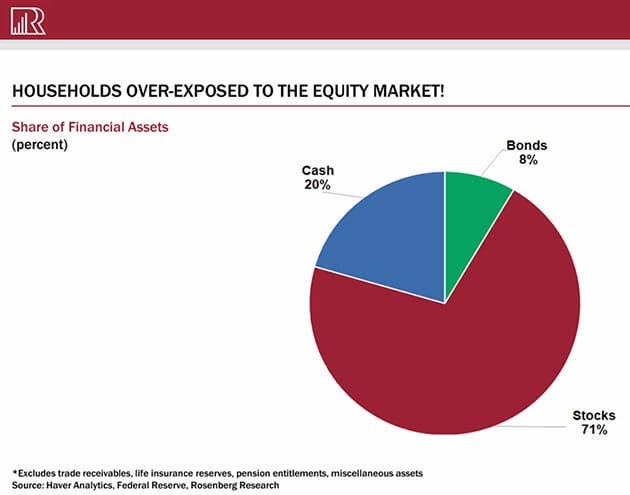
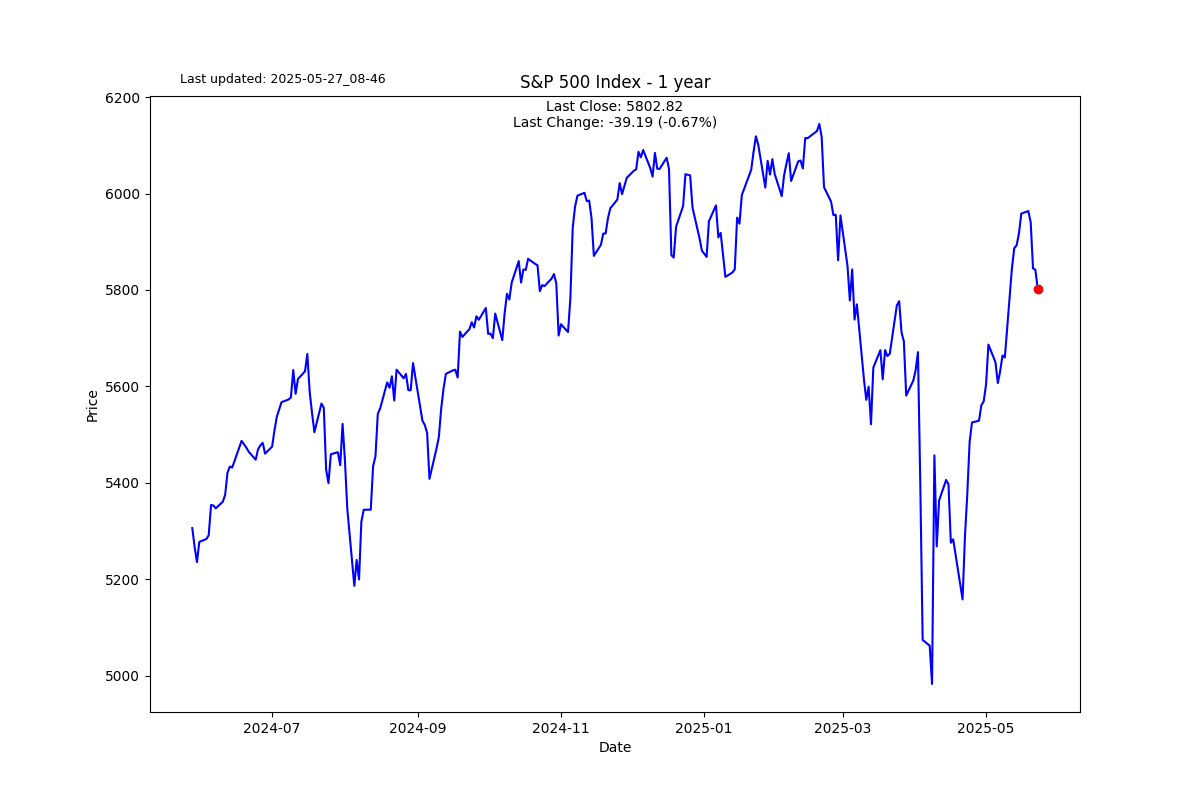
I wasn’t aware that households’ exposure to the stock market in the US is at all-time highs (71%). What this means is that a stock market correction, however big or small, will have a very dramatic impact on people’s financial wealth and, together with the cost of living crisis, will have an extra negative impact on the economy. Just as the wealth effect helped the economy grow out of the COVID pandemic, a reversal of that wealth effect will be hard on stocks as boomers and others rush to a narrow door with a very crowded entrance.
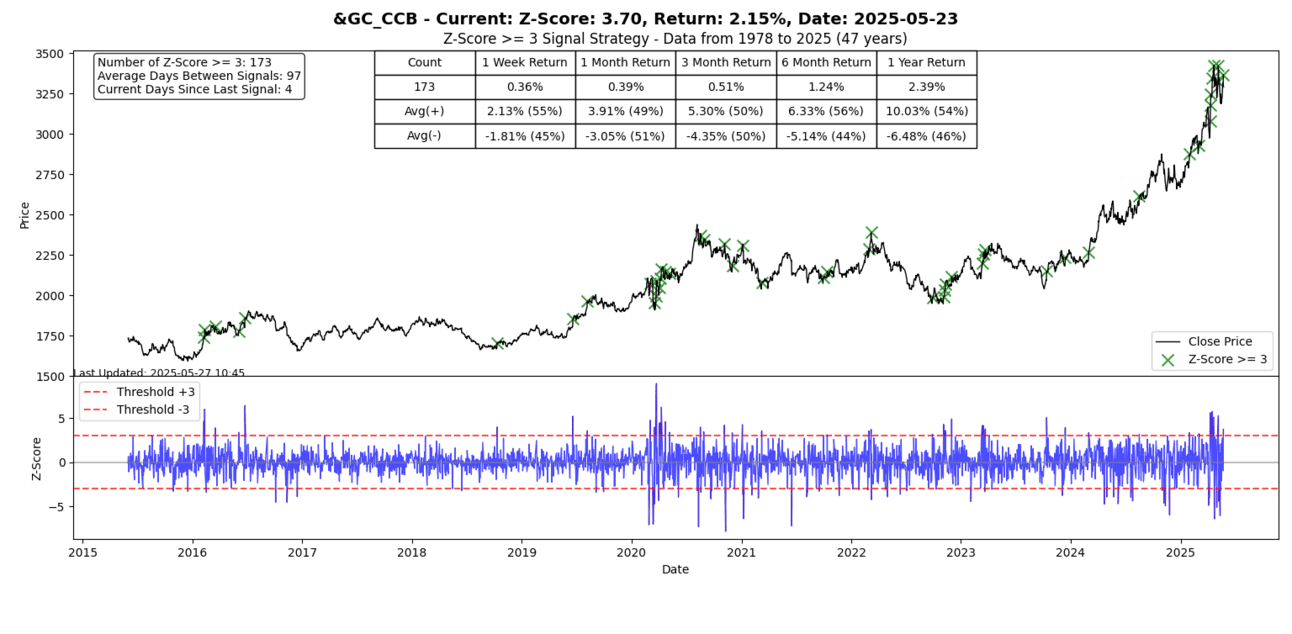
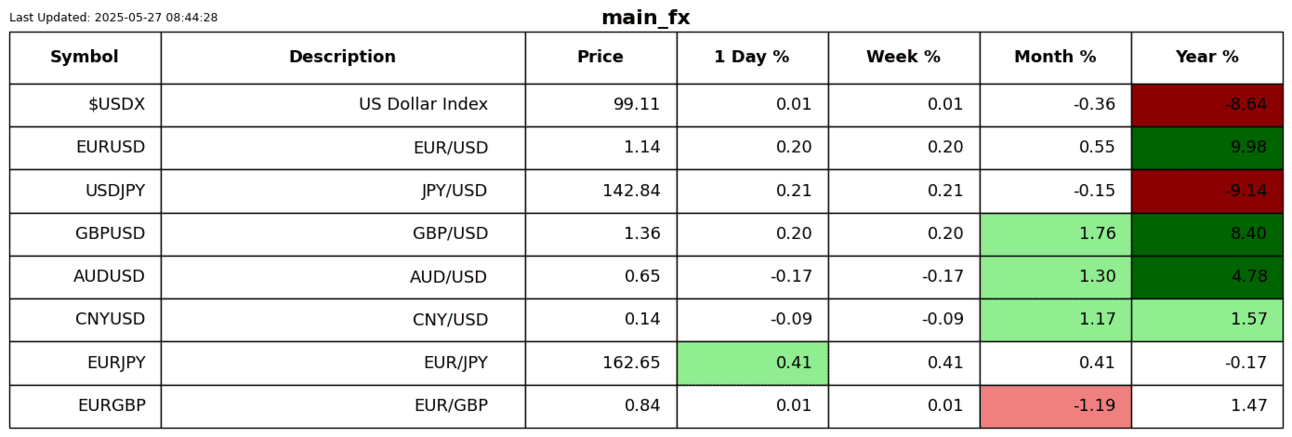
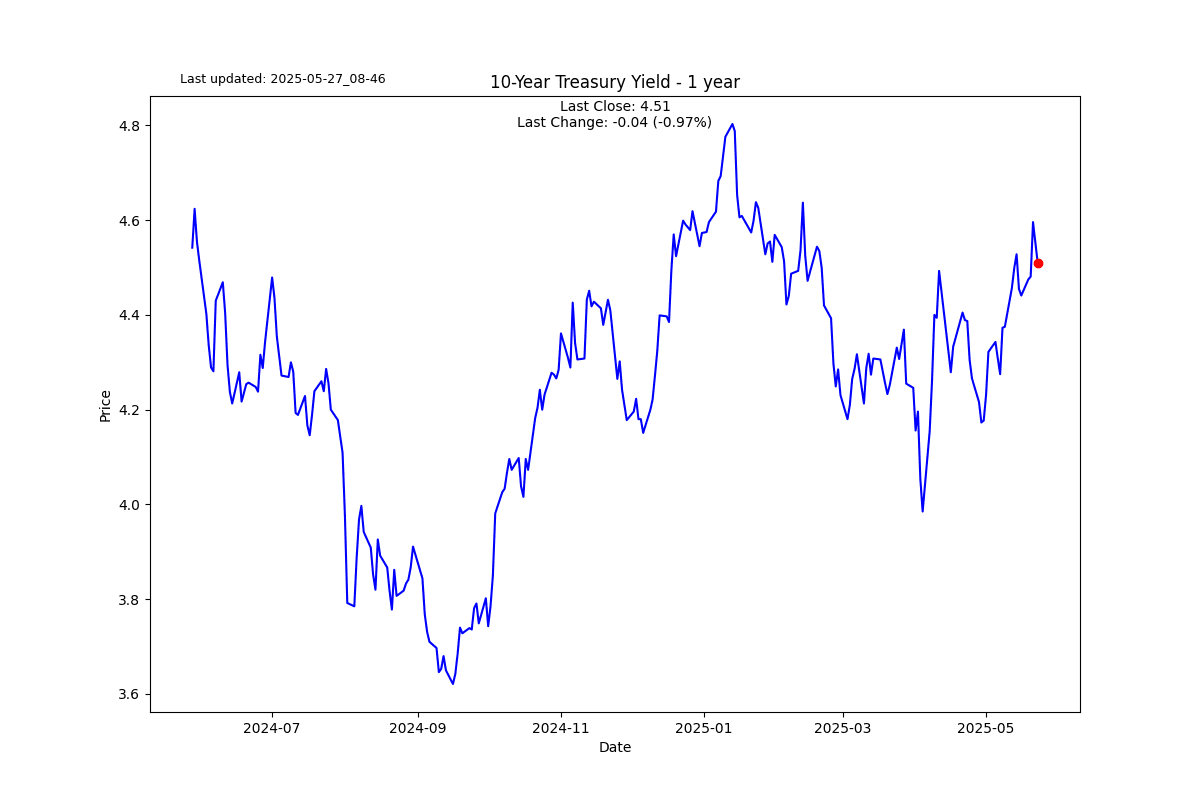
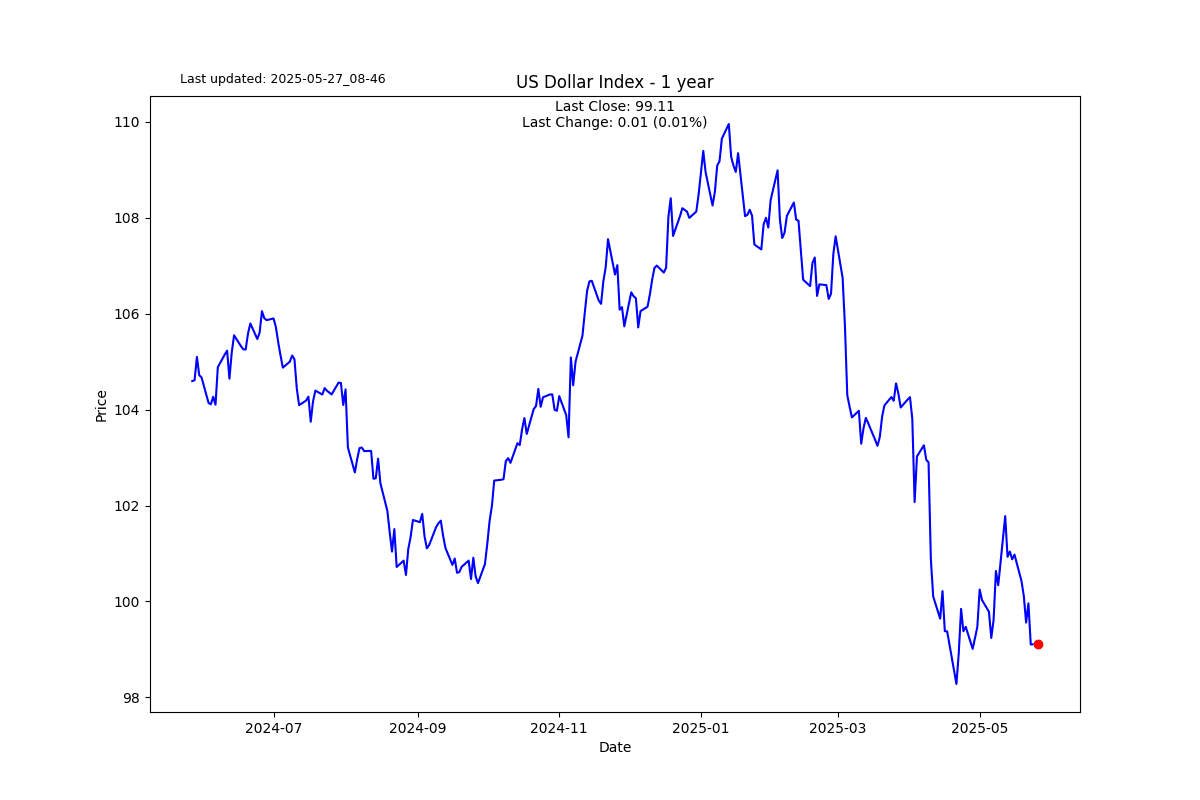
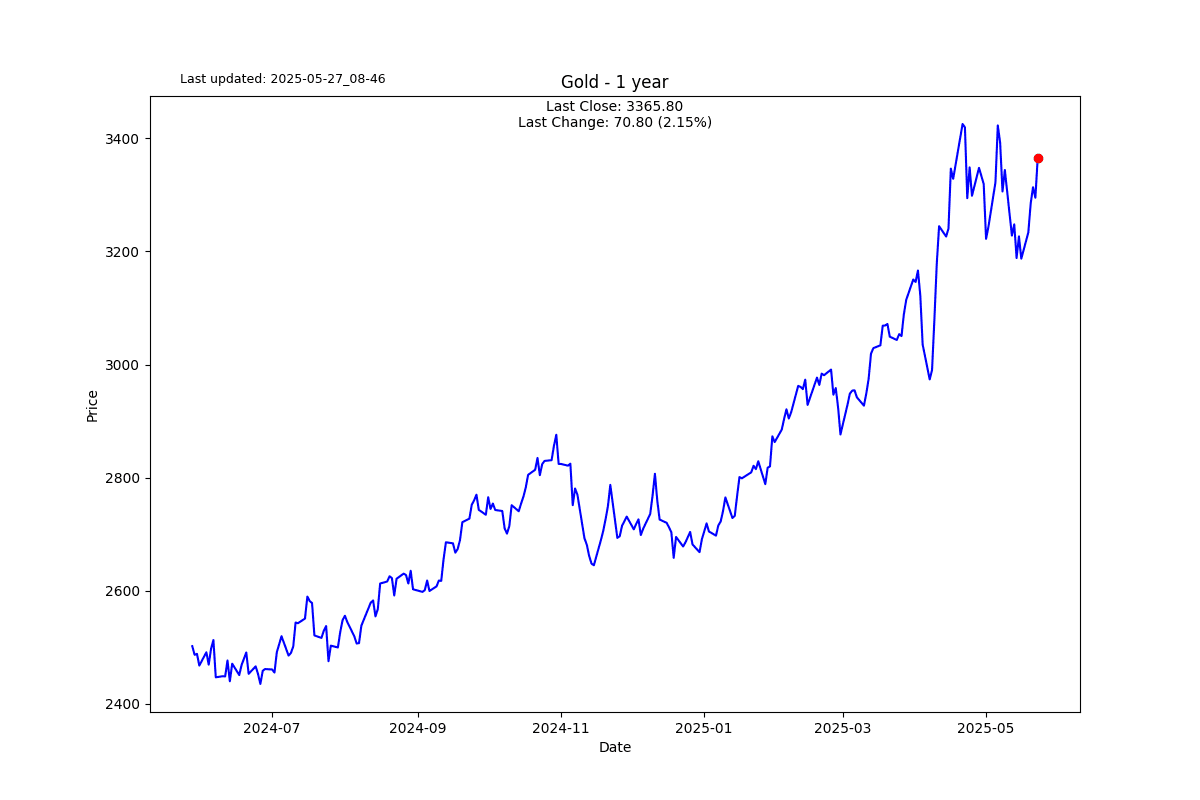
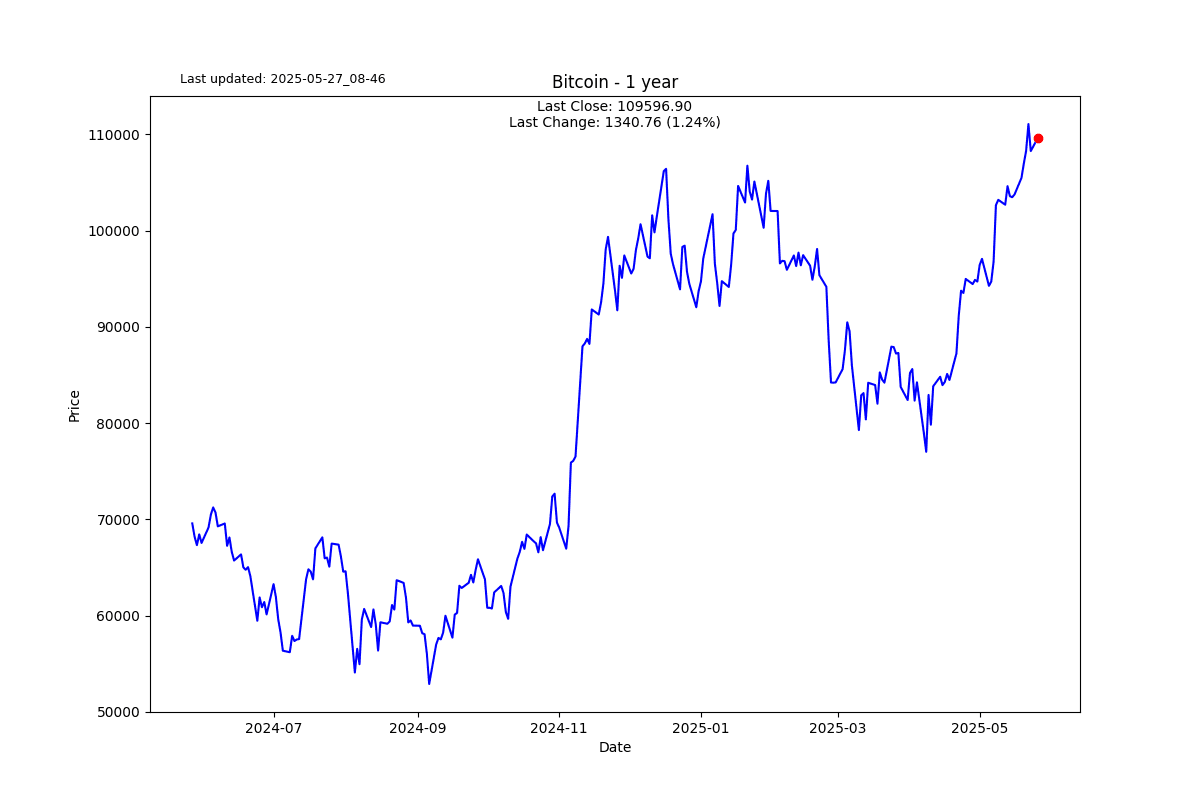
I just want to say inflation is coming. Trump’s delay on tariffs for Europe does not mean it is going away. He wants a deal, and no matter what the deal is, it is likely to have inflationary effects. Gold and Bitcoin know this.
S2N screener alert
Gold had a strong 3+ sigma day.
S2N performance review


S2N chart gallery
S2N news today
Author
Michael Berman, PhD
Signal2Noise (S2N) News
Michael has decades of experience as a professional trader, hedge fund manager and incubator of emerging traders.

















